Côte d’Ivoire’s agricultural economy can offer opportunities in crop sourcing, processing, logistics, and farm services, but production potential alone does not make an opportunity commercially viable.
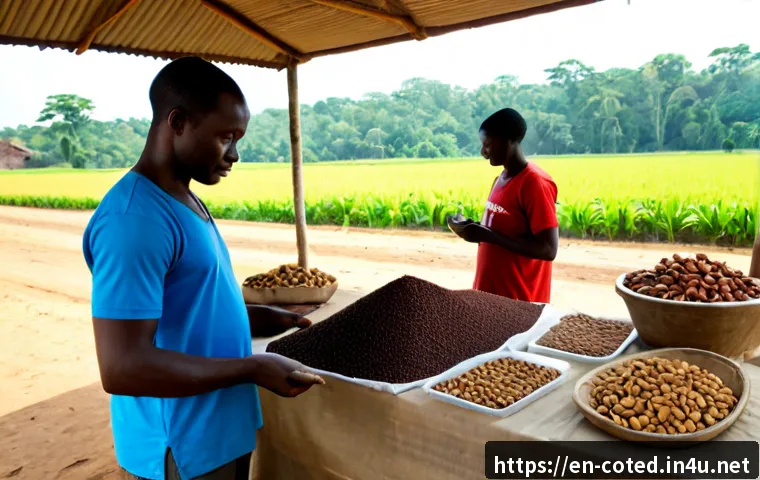
The strongest decisions usually begin with local due diligence on land access, supplier capacity, transport, quality controls, and buyer terms. Export-oriented crops may attract attention, while domestic food chains can also create demand for storage, inputs, aggregation, and distribution.
For buyers and investors, the practical question is not simply which crop is popular, but whether a reliable value chain can deliver the required quality at a workable total cost.
Processing may add value, but it also adds operational, energy, packaging, financing, and market-access requirements. Market research can narrow the shortlist, while local verification is needed before committing capital or signing supply contracts.
At a Glance
- Commercial value depends on the full chain: production, aggregation, quality control, processing, transport, and buyer access.
- Local due diligence is essential for land-use arrangements, supplier verification, logistics reliability, and contract terms.
- Compare total delivered cost, not farm output alone, before selecting a crop, supplier, processor, freight provider, or agricultural consultant.
| Opportunity Type | Capital Intensity | Processing Need | Logistics Exposure | Buyer Requirements |
|---|---|---|---|---|
| Export-oriented tree crops | Often long-term and site-dependent | May require collection, grading, drying, or further transformation | High if collection points and port corridors are unreliable | Traceability, consistent quality, documentation, and contract performance |
| Annual food crops | Can vary by input, irrigation, and seasonal needs | Storage and post-harvest handling may be central | Time-sensitive during harvest and peak transport periods | Freshness, volume consistency, local distribution capacity |
| Local processing | Equipment, working capital, packaging, and operating systems | Core business requirement | Inbound raw material and outbound product delivery both matter | Throughput, standards, packaging, and dependable sales channels |
| Agricultural services | Depends on equipment, inventory, staff, and field coverage | Usually indirect | Service availability can be limited by road access and seasonality | Trust, local support, after-sales service, and transparent pricing |
What Drives Agricultural Value in Côte d’Ivoire?
Export crops, domestic food production, and rural employment
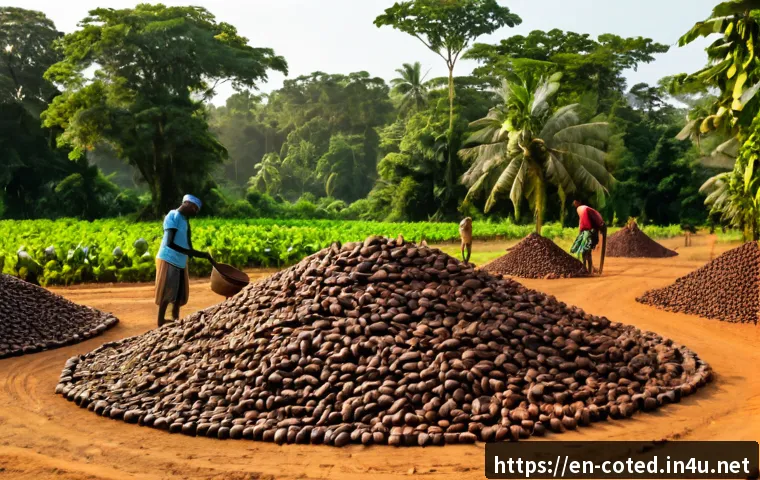
Agriculture creates value through more than crop cultivation. Farmers, cooperatives, aggregators, transport operators, input distributors, processors, and buyers all participate in the chain. Export-oriented commodities, including cocoa-related supply chains, may create sourcing and logistics demand, while domestic food production can support local trade, storage, processing, and distribution services. The most relevant opportunity depends on where a business can solve a real bottleneck rather than simply enter a crowded segment.
Why production volume alone does not determine profitability
High production potential does not automatically translate into attractive returns. A buyer may face inconsistent grading, limited traceability, seasonal road constraints, or a narrow set of reliable suppliers. A producer may have output but lack storage, working capital, dependable collection, or verified market access. Commercial viability begins with a buyer, delivery route, quality specification, and payment structure, not with a headline estimate of crop volume.
The role of processing, quality control, and market access
Processing can potentially improve product positioning, reduce dependence on raw commodity sales, or make products easier to distribute. It can also introduce new risks: machinery downtime, energy needs, packaging availability, food-safety procedures, inventory management, and working-capital pressure. Before choosing a processing model, confirm raw-material supply, usable throughput, target customer requirements, and the cost of handling rejected or unsold product.
Comparing Major Agricultural Opportunities and Value Chains
Tree crops versus annual crops: time horizon and capital needs
Tree-crop opportunities generally require a longer planning horizon and careful attention to orchard condition, farmer relationships, collection systems, and quality practices. Annual crops can offer shorter production cycles, but may be exposed to seasonal weather, input availability, and rapid post-harvest deterioration. The right comparison is not “long-term versus short-term,” but whether the operating model matches your capital, field capacity, and buyer timetable.
Raw commodity sales versus local processing opportunities
Raw commodity sourcing may have a simpler operating model, but margins can be sensitive to quality, freight, financing, and price movement. Local processing may create more control over product form and customer relationships, yet it requires disciplined operations. Ask whether a processor can source enough suitable material, run consistently, package to buyer specifications, and finance inventory between procurement and final payment.
Comparison table: investment needs, operational complexity, and supply-chain risk
Use the early comparison table as a first screening tool. An exporter should place greater weight on traceability, freight coordination, and buyer documentation. A local SME may prioritize storage access, dependable aggregation, and manageable inventory. An impact-focused investor may additionally assess whether local partners have clear governance, practical reporting capacity, and a realistic route to market.
Cost Drivers That Shape Farm and Agribusiness Returns
Inputs, labor, finance, storage, transport, and quality management
A complete cost review should cover more than seed, fertilizer, crop protection, or equipment. Include labor supervision, financing terms, field visits, collection costs, weighing, grading, storage, loading, freight, insurance, and quality documentation. For export activity, add customs handling, buyer specifications, inspection requirements, and the cost of delays. Total delivered cost is more useful than a single farm-gate or supplier quote.
When equipment, irrigation, or advisory services may justify their cost
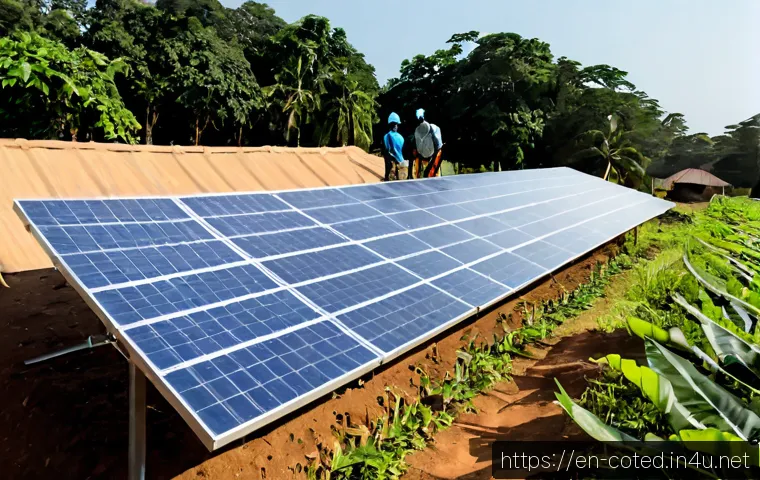
Equipment, irrigation, and agricultural consulting can be useful when they solve a defined constraint. For example, advisory support may help establish procurement procedures, supplier screening, quality controls, or operating records. Equipment may be justified when utilization is sufficient and maintenance support is available. Irrigation decisions should be tested against water access, energy needs, technical maintenance, and the value of the crop being protected.
How to request comparable quotes from logistics and processing providers
Request quotes using the same scope of work. State the pickup point, expected volumes, product condition, packing format, required delivery window, loading responsibilities, insurance expectations, and documentation needs. For processing providers, clarify intake standards, yield assumptions, packaging, storage period, rejected material, downtime procedures, and payment timing. This makes it easier to compare freight, storage, processing, and agricultural consulting providers on a like-for-like basis.
Operational Risks and Common Due-Diligence Mistakes
Treating headline commodity demand as a guaranteed sales channel

Demand for a commodity does not guarantee that a new supplier will obtain a contract. Buyers may require established documentation, consistent quality, traceability, delivery history, and specific payment terms. Do not assume a broad market trend creates a ready-made outlet for an individual farm, cooperative, processor, or trader.
Underestimating land rights, traceability, and contract verification
Land access, lease arrangements, customary land-use rights, licensing, and tax treatment require local verification. These issues can affect expansion, financing, crop planning, and long-term operations. Supplier and buyer contracts should also be reviewed for quality definitions, delivery obligations, dispute procedures, payment timing, and termination conditions. Verbal assurances are not a substitute for documented checks.
Ignoring post-harvest loss, road access, and seasonal transport constraints
Products can lose value between the farm and the buyer if harvesting, drying, sorting, storage, or transport is poorly managed. Road access and vehicle availability may change by season. Build a contingency plan for delayed collection, temporary storage, alternate routes, and quality deterioration rather than assuming the standard route will always work.
Practical Paths for Buyers, Investors, and Local SMEs
For commodity buyers: supplier screening and quality documentation
Buyers should screen suppliers for volume capability, collection practices, quality controls, storage conditions, traceability records, and delivery history. Start with clear specifications and a practical inspection process. It is also sensible to test communication speed, documentation quality, and issue resolution before expanding purchase commitments.
For processors: throughput, energy, packaging, and working-capital questions
Processors should verify whether planned throughput reflects reliable raw-material access rather than optimistic estimates. Review energy supply, maintenance arrangements, spare parts, packaging procurement, warehouse capacity, product specifications, and credit needs. A plant can appear viable on paper but struggle if raw material arrives inconsistently or finished inventory cannot move quickly.
For agricultural service businesses: where logistics, inputs, and advisory demand may emerge
Service businesses may find opportunities where growers and traders need more dependable input access, transport coordination, storage, equipment support, quality management, or farm advisory services. The strongest service offer is usually specific: solve a delivery, maintenance, aggregation, or compliance problem that customers already face. Local support and transparent service terms can matter as much as the product itself.
Selection Criteria and Comparison Summary
Before committing capital, compare market access, land and operating rights, total delivered cost, quality and traceability requirements, working-capital needs, and contingency options. Review crop insurance scope where available, freight reliability, storage conditions, certification requirements, and advisory-provider experience with the exact value chain. Choose an opportunity because the commercial route is verified, not simply because the crop is widely discussed. For formal terms, service coverage, and exclusions, check the relevant provider’s official information page before signing.
Closing Thoughts
Côte d’Ivoire’s agricultural economy should be assessed as a connected operating system rather than a list of crops. Reliable supply, quality management, logistics, and buyer access can be more decisive than production potential alone. Investors, buyers, and SMEs can reduce avoidable risk by testing assumptions with local partners and using comparable cost data. A smaller, verified opportunity may be more practical than a larger opportunity built on unconfirmed assumptions.
Useful Information to Keep in Mind
First: ask who buys the product, under which specifications, and on what payment terms. Second: separate production estimates from deliverable, buyer-ready volume. Third: obtain matched quotes for storage, transport, processing, insurance, and advisory work. Fourth: retain documentation for supplier checks, quality inspections, and contractual commitments.
Important Notes
Current farm-gate prices, export prices, margins, land terms, tax treatment, import duties, incentives, licensing requirements, and provider reliability must be independently verified. Availability and pricing of transport, storage, irrigation, processing, and certification services may vary by location and season. This overview is a planning framework, not a substitute for legal, tax, technical, insurance, or investment advice.
Frequently Asked Questions
Q1. What are the main commercial opportunities in Côte d’Ivoire’s agricultural economy?
A1. Opportunities can include crop sourcing, aggregation, quality management, local processing, input distribution, storage, transport, farm equipment support, and agricultural consulting. The best fit depends on confirmed buyer access, operating capability, and local supply-chain conditions.
Q2. Is agricultural processing more profitable than selling raw crops in Côte d’Ivoire?
A2. Processing is not automatically more profitable. It may create added value, but it also introduces equipment, energy, packaging, labor, quality-control, inventory, and market-access costs. Compare the complete operating model with raw commodity sourcing before deciding.
Q3. What costs should an investor or buyer compare before entering an agricultural supply chain?
A3. Compare input and procurement costs, labor, finance, storage, transport, handling, quality testing, processing, packaging, insurance, compliance, and advisory fees. The key measure is the total cost of delivering an acceptable product to the intended buyer.