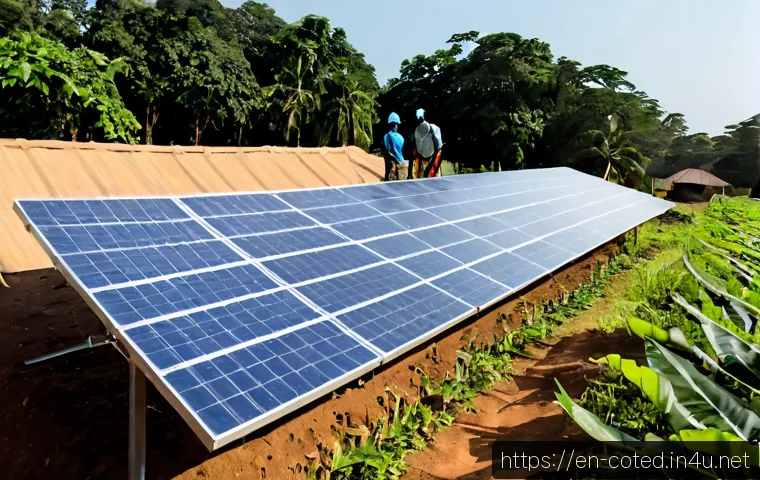
The best green project in Côte d’Ivoire is the one that solves a specific local constraint first: unreliable power, forest pressure, agricultural land use, household fuel use, or unmanaged waste.
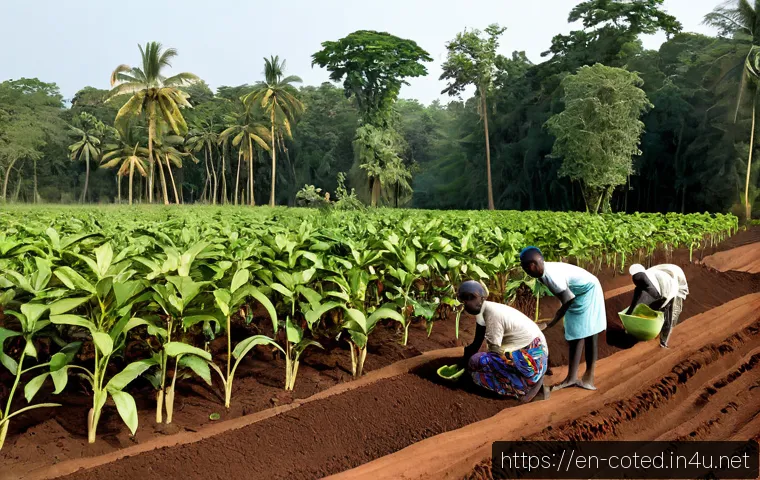
Solar, clean cooking, agroforestry, waste recovery, and water-efficiency initiatives can all be relevant, but their feasibility depends heavily on land rights, community participation, access conditions, and long-term maintenance capacity.
For buyers and project sponsors, early comparison is more useful than choosing the most visible technology. Renewable energy procurement, environmental impact assessment, and carbon-project consulting can support planning, but none replaces site-level due diligence.
A practical project plan separates equipment costs from training, operations, monitoring, and local partner requirements. This approach helps organizations compare vendors and implementation models without assuming guaranteed environmental or financial results.
At a Glance
- Energy access: Consider off-grid solar, mini-grid solar, or productive-use energy systems where grid access, reliability, or connection costs are limiting factors.
- Supply-chain resilience: Agroforestry and sustainable cocoa programs may fit organizations addressing land-use change, deforestation concerns, and agricultural productivity risks.
- Community resilience: Clean cooking, waste recovery, and water-efficiency initiatives need strong user participation and a realistic local operations plan.
| Project model | Capital intensity | Operating needs | Timeline focus | Local partner requirement | Potential procurement categories |
|---|---|---|---|---|---|
| Solar rooftop or productive-use solar | Equipment-led | Maintenance, user training, system monitoring | Site assessment through installation and ongoing servicing | Installer, electrical maintenance provider, site operator | Solar modules, inverters, batteries where appropriate, installation, maintenance contracts |
| Solar mini-grid or off-grid energy | Equipment and local operations-led | Collection, maintenance, demand management, local customer support | Requires planning beyond initial deployment | Community representatives, energy operator, maintenance team | Mini-grid design, solar system specifications, metering, service support |
| Clean cooking | Varies by technology and distribution model | User support, fuel or equipment availability, adoption monitoring | Starts with cooking-practice assessment | Community groups, distributors, local trainers | Cooking devices, fuel solutions, distribution, household engagement |
| Agroforestry and sustainable cocoa | Field implementation and long-term support-led | Farmer engagement, land-use planning, monitoring | Multi-season management approach | Cooperatives, farmers, extension and field teams | Seedlings, training, farm mapping, monitoring services |
| Waste collection and organic-waste recovery | Collection and processing model-dependent | Collection reliability, sorting, operator capacity, end-market planning | Operational design is central from day one | Municipality, waste-service operator, community users | Collection equipment, sorting systems, recovery services, environmental assessment |
Which Green Project Model Fits Côte d’Ivoire’s Needs?
Quick Answer: Match the Project to the Local Problem Before Choosing Technology
Start with the constraint, not the product. A solar procurement process is appropriate when electricity access, reliability, or connection costs are the practical barrier. An agroforestry program is more relevant when a cocoa supply chain needs stronger land stewardship and resilience. Clean cooking works best when the project understands local cooking practices, fuel use, and household preferences before selecting equipment.
A technology can appear attractive on paper and still underperform if the site has uncertain land tenure, weak maintenance coverage, or limited community support. Before requesting proposals, define the problem in one sentence and list the evidence needed to confirm it.
The Five Common Pathways: Energy, Cooking, Agriculture, Forests, and Waste
Côte d’Ivoire has identified renewable energy, sustainable land management, forestry, transport, and waste as relevant areas for climate action. In practice, five pathways often overlap:
- Energy: rooftop solar, off-grid systems, mini-grids, and productive-use energy for local enterprises or services.
- Cooking: cleaner and more efficient cooking solutions designed around household use patterns.
- Agriculture: sustainable cocoa and agroforestry initiatives that connect farm practices with supply-chain goals.
- Forests: land-management approaches that address pressure linked to agricultural expansion and land-use change.
- Waste: improved collection, recycling, sorting, and organic-waste recovery models.
Why Local Operations Matter as Much as Initial Funding
Initial funding does not operate a project after installation. A strong plan identifies who will maintain equipment, train users, manage spare parts, collect operating information, and respond when systems fail. This is especially important for off-grid energy, clean cooking distribution, and waste services, where daily use determines whether the model remains functional.
Compare Project Types by Cost, Impact, and Operating Complexity
Solar Rooftop, Solar Mini-Grid, and Productive-Use Energy Systems
Hydropower and natural gas have historically played significant roles in Côte d’Ivoire’s electricity system. Solar can still be relevant where a site faces weak grid access, unreliable supply, or costly connection conditions. Rooftop systems may suit facilities with clear electricity demand, while mini-grid and off-grid models require deeper planning for operations, users, and long-term service.
For renewable energy procurement, compare system design, expected use case, maintenance scope, warranty terms, monitoring capability, and installer support. Do not compare only panel capacity. A productive-use project should also confirm whether the intended activity can operate reliably with the proposed system.
Clean Cooking and Efficient Fuel Solutions
Clean-cooking projects can address fuel use, household air pollution exposure, and pressure on forest resources. However, the equipment choice must fit local food preparation, household routines, affordability considerations, and fuel availability. Distribution without user guidance may produce low adoption or inconsistent use.
Ask providers how they plan to test user acceptance, support households after distribution, and track actual use. A clean-cooking project should measure more than the number of devices delivered.
Agroforestry and Sustainable Cocoa Supply-Chain Programs
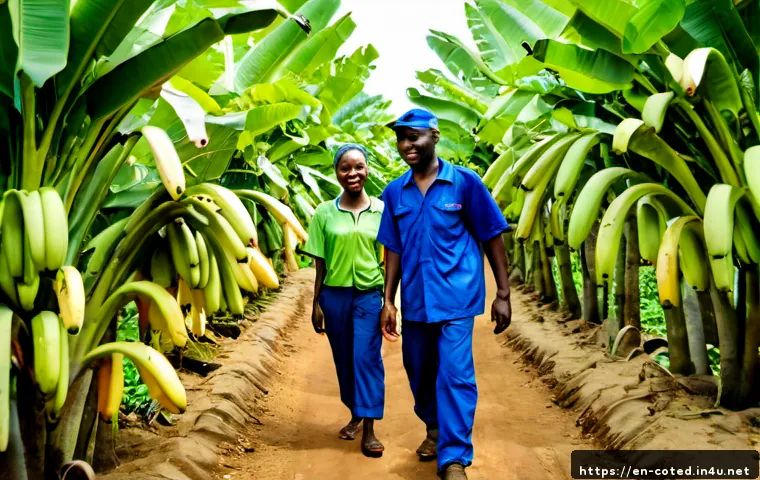
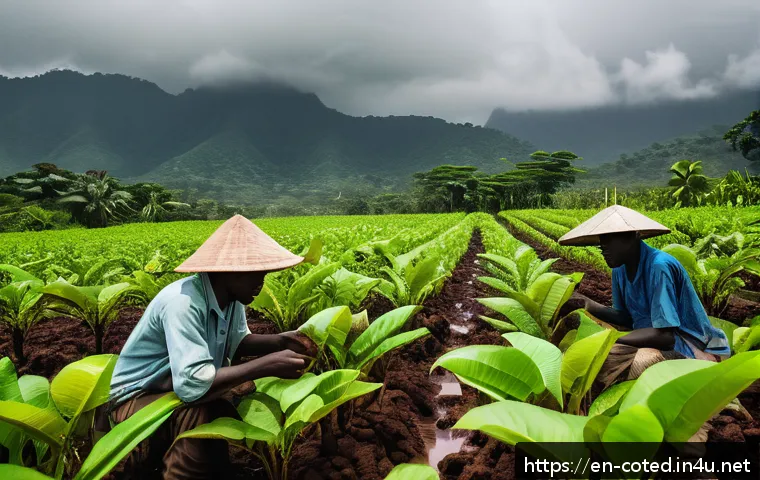
Agriculture, especially cocoa production, is central to Côte d’Ivoire’s economy. Because deforestation and land-use change are important concerns in agricultural supply chains, agroforestry can be a relevant option for cooperatives, exporters, and companies with sustainable sourcing objectives.
The core questions are not only which trees to plant. Sponsors should assess land rights, farmer participation, farm-level practicality, seasonal conditions, field support, and monitoring methods. A program should avoid assuming that planting activity alone proves land restoration, income improvement, or emissions outcomes.
Waste Collection, Recycling, and Organic-Waste Recovery
Waste projects depend on a clear operating chain: collection, transport, sorting or processing, and a workable destination for recovered materials. Municipalities and waste-service operators should define responsibilities before purchasing equipment. A collection vehicle or sorting asset has limited value without routing, staffing, maintenance, and service oversight.
An environmental impact assessment scope can help clarify site conditions, likely impacts, operational controls, and stakeholder questions before construction or procurement decisions are made.
Cost Drivers to Assess Before Requesting Vendor Proposals
A realistic budget separates visible and less-visible costs. Review equipment, site preparation, permitting, logistics, training, maintenance, replacement parts, local staffing, community engagement, and monitoring. For land-based programs, add field coordination and measurement needs. For waste and energy projects, include operating responsibility after commissioning.
Supplier prices, grant eligibility, and carbon-credit revenue are project-specific and should be confirmed directly with qualified providers or relevant program administrators.
Plan the Project Before Committing Capital
Define the Environmental and Business Objective
Write down the main objective: improved energy reliability, cleaner cooking access, reduced forest pressure, more resilient cocoa sourcing, waste reduction, or community service delivery. Then define what evidence would show progress. This makes vendor selection and environmental impact assessment more focused.
Screen the Site for Land Rights, Access, Grid Conditions, and Seasonal Factors
Confirming site conditions is essential. Check land tenure, access routes, community consent, existing grid conditions where relevant, and seasonal factors that may affect installation or field activities. These details cannot be assumed from a regional project concept.
Build a Realistic Budget for Equipment, Training, Maintenance, and Monitoring
Use separate budget lines for capital equipment and recurring delivery needs. Training, maintenance, monitoring, and local coordination are not optional extras. They are part of the implementation model.
Identify Local Implementation and Maintenance Partners

Ask potential partners what they can support after launch. Useful questions include who maintains equipment, who communicates with users, how issues are recorded, and how monitoring data is collected. Local implementation capacity can be a deciding factor between two otherwise similar proposals.
Avoid Common Delivery Risks
Buying Equipment Without a Maintenance Plan
Equipment procurement should include a clear maintenance pathway. Confirm service coverage, spare-part access, local technical capability, and the party responsible for recurring costs.
Underestimating Community Consultation and User Adoption
Community participation is particularly important for clean cooking, mini-grid, waste, and land-management projects. Consultation should happen before final decisions, not only after a technology or contractor has been selected.
Treating Carbon Revenue as Guaranteed Project Income
Carbon-project consulting can help sponsors understand project design and verification requirements, but carbon-credit revenue is not guaranteed. Eligibility, verification, market conditions, project performance, and other requirements need project-specific review.
Measuring Activity Instead of Verified Outcomes
Installed systems, distributed devices, planted trees, and collected waste are activities. They do not automatically establish emissions reductions, income effects, forest outcomes, or long-term usage. Build a measurement plan that matches the actual objective and distinguishes delivery from verified results.
Guidance by Project Sponsor and Location
For Cocoa Cooperatives and Agricultural Exporters
Prioritize farm-level participation, land-use understanding, and practical agroforestry support. Sustainable cocoa programs should connect supply-chain expectations with what farmers can realistically adopt and maintain.
For Municipalities and Waste-Service Operators
Focus on service design before equipment procurement. Define collection responsibilities, operating schedules, maintenance procedures, sorting or recovery steps, and community communication.
For NGOs and Community Energy Programs
Begin with household or community needs assessment. For solar and clean-cooking projects, user training and local maintenance arrangements should be part of the first project design, not an afterthought.
For Companies Building ESG or Supply-Chain Resilience Plans
Choose projects that connect to a defined operational or sourcing risk. Environmental claims should reflect what the organization can measure and verify. For complex sites, request an environmental assessment scope before making broad impact commitments.
Selection Criteria and Comparison Summary
Choose solar when power reliability, access, or productive energy use is the priority and a maintenance model is available. Choose agroforestry when supply-chain resilience, sustainable cocoa, land management, and forest pressure are closely connected. Choose clean cooking when household fuel use, user adoption, and forest-resource pressure are central concerns. Choose waste recovery when collection and operational responsibilities can be clearly assigned.
Before selecting a consultant, contractor, or technology provider, check: site and land-rights status; community participation; local operations capacity; full lifecycle costs; monitoring approach; and permit or grid conditions where applicable. Compare solar system specifications, request an environmental assessment scope, and review carbon-project verification requirements with the relevant provider before committing capital.
In Closing
Green projects in Côte d’Ivoire work best when the chosen model fits a real local need and a realistic operating plan. Funding is important, but land rights, user participation, maintenance, and measurement often determine whether a project can continue delivering value. Compare proposals on total delivery capacity, not only on equipment or headline claims. A careful early screening process can reduce avoidable implementation risk.
Useful Information to Keep in Mind
1. Côte d’Ivoire is party to the Paris Agreement and has submitted national climate commitments.
2. Renewable energy, sustainable land management, forestry, transport, and waste are relevant climate-action areas.
3. Off-grid and mini-grid solar may be relevant where grid conditions or connection costs are limiting factors.
4. Project feasibility can vary significantly by location and implementation capacity.
Important Considerations
This guide does not establish project budgets, permit status, land tenure, grid capacity, supplier availability, grant eligibility, or carbon-credit revenue for any specific site. These items require direct verification with appropriate local partners, authorities, contractors, consultants, and program providers. Environmental and social outcomes should be measured using a project-specific plan rather than assumed from the technology selected.
Frequently Asked Questions
Q1. What are the most practical green project opportunities in Côte d’Ivoire?
A1. Practical opportunities may include solar energy systems, clean cooking, agroforestry and sustainable cocoa programs, waste collection or recovery, and water-efficiency initiatives. The best option depends on the site, community needs, land conditions, grid access, and ability to support long-term operations.
Q2. How should an organization estimate the cost of a solar, agroforestry, or waste-management project?
A2. Separate upfront equipment or field costs from site preparation, permitting, logistics, training, maintenance, local staffing, community engagement, and monitoring. Current vendor prices and project-specific requirements should be confirmed through direct proposals and site assessment.
Q3. Are carbon credits a reliable way to finance environmental projects in Côte d’Ivoire?
A3. Carbon credits should not be treated as guaranteed income. Potential eligibility and revenue depend on the project design, verification requirements, performance, market conditions, and other project-specific factors. Review carbon-project verification requirements before including possible credit revenue in a financing plan.