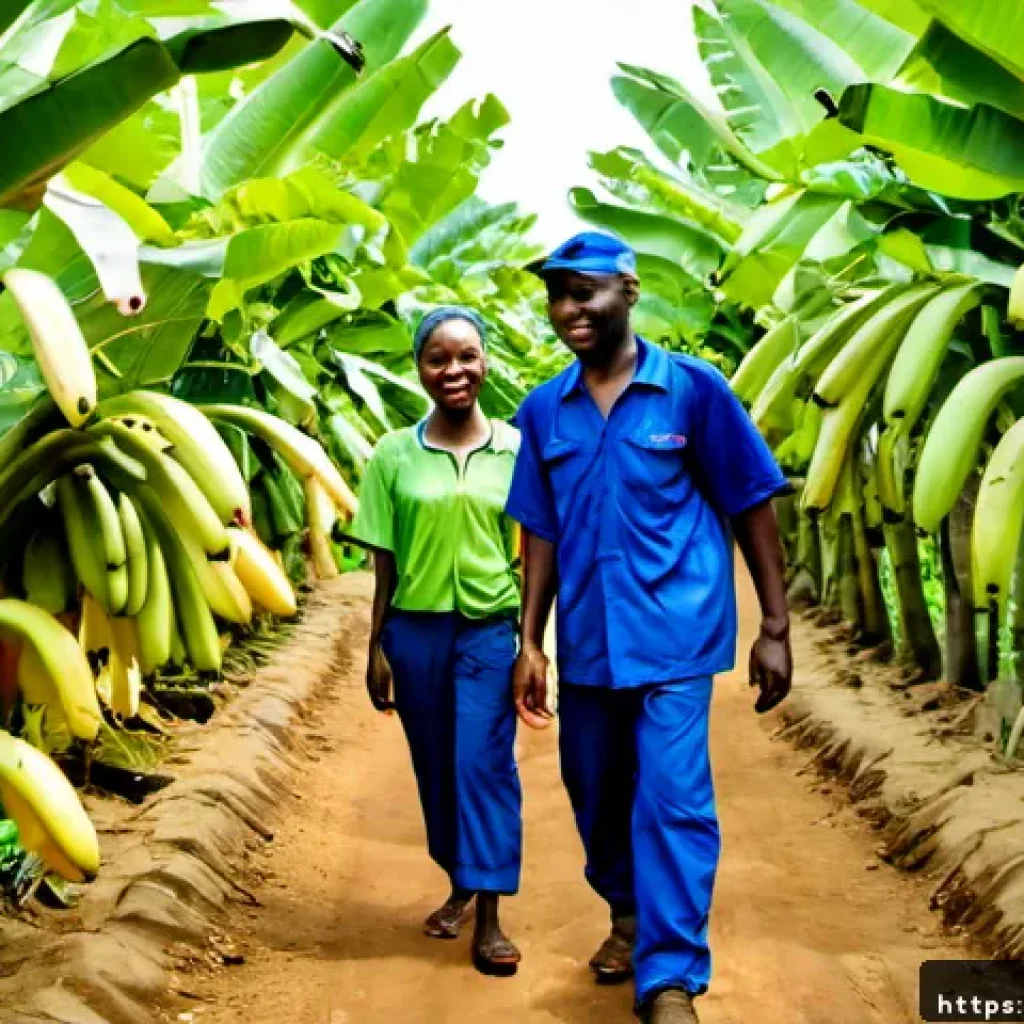
Banana plantation visits in Côte d’Ivoire can be possible, but they are not usually offered as standard walk-in tourist activities. Most farms are private working sites, so access often depends on advance permission or arrangements made through a local guide or tour operator.
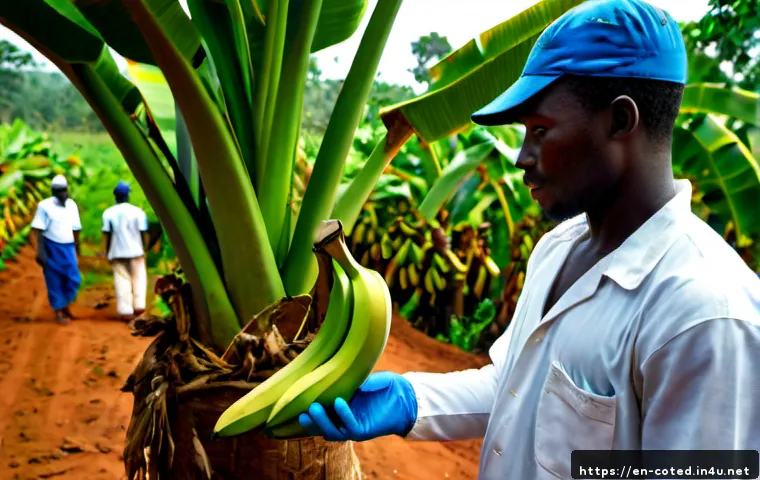
A well-planned visit can offer a useful look at commercial banana production, from field work to possible packing operations. The exact experience varies by estate, season, and farm policy.
Before setting out, confirm that visitors are accepted and ask about transport, language support, safety rules, and photography. This guide explains how to approach a visit respectfully and realistically.
What to Expect From a Banana Farm Visit
A banana farm visit is usually a look into an active agricultural workplace rather than a purpose-built attraction. If an estate agrees to receive visitors, the route may include growing areas, harvesting activity, or a packing area, depending on what is operating that day. Commercial plantations have their own schedules, so there is no guarantee that every stage of production will be visible during one visit.
Keep expectations flexible. A farm may limit where guests can walk, how long they can stay, or whether they can enter operational buildings. The purpose is to observe the work without interrupting it.
Plantation work, packing areas, and harvest timing
Banana production involves field work and, on some estates, handling and packing operations. Harvest timing can affect what visitors see. On one day, workers may be active in a particular section of the plantation; on another, the most relevant work may be taking place elsewhere or may not be accessible to guests.
Ask in advance whether the visit is expected to focus on the plantation itself, a packing area, or a general introduction to the farm. Export-facility access, tastings, and demonstrations should never be assumed, as availability and permission requirements can vary.
Why access is often arranged in advance
Plantations are private workplaces with staff, equipment, produce, and farm-specific hygiene procedures. Advance arrangements allow the estate to decide whether it can host visitors safely and without disrupting operations. They also give you a chance to understand the meeting point, permitted areas, and any conditions for entry.
Do not rely on arriving at a gate and requesting a tour. Even where staff are helpful, an unplanned visit may not be possible. Confirmation directly from the farm or through a credible local organizer is the safer approach.
Finding a Legitimate Visit Near Your Route
Because individual plantations that accept public visitors may change, start with a local guide or tour operator familiar with your travel route. A capable organizer can help identify whether a farm visit is feasible and communicate with the estate before you travel. Direct contact may also work when an estate provides a clear visitor contact, but current booking details need to be verified.
Working with local guides and tour operators
Ask a guide or operator to explain exactly what has been arranged, rather than describing the outing only as a “plantation tour.” A clear plan should identify the farm visit as confirmed or pending, state whether farm permission has been obtained, and explain how transport and interpretation will be handled.
A local guide can be particularly useful when farm staff and visitors do not share a common language. However, a guide’s involvement does not replace the estate’s approval. The farm remains responsible for its own access and safety rules.
Questions to ask before confirming a visit
Before committing, ask whether the plantation currently accepts visitors, whether permission is confirmed, and what parts of the site may be visited. Also check the expected duration, meeting location, transport arrangements, language support, and whether there are restrictions on cameras or mobile phones.
It is also sensible to ask about current clothing, health, and biosecurity requirements. Policies may change according to farm operations, weather, or hygiene concerns, so confirmation close to the visit matters.
| Item to confirm | Why it matters |
|---|---|
| Visitor permission | Plantation access may be controlled and is not automatically open to the public. |
| Transport and meeting point | Farm locations and pickup arrangements vary by itinerary. |
| Language support | An interpreter or guide may help with instructions and explanations. |
| Access limits | Fields, packing areas, and other work zones may have different visitor rules. |
| Current farm requirements | Photography, clothing, health, and biosecurity policies require direct confirmation. |
Travel Planning and Practical Preparation
Build the farm visit around a confirmed route rather than treating it as a casual stop. Transport arrangements should be agreed in advance, especially if the plantation is not close to your accommodation or other planned activities. Leave room in the day for changed access times, operational delays, or a shorter visit than expected.
Transport, language, and timing considerations
Confirm who is responsible for transport and where the visit begins. Some arrangements may include a guide and vehicle, while others may require you to reach a designated meeting point independently. The inclusion of transport is not standard and should be checked before booking.
Language support is equally important. Ask whether the person leading the visit can explain farm rules and answer basic questions in a language you understand. Operating hours and schedules are not fixed public information, so verify the timing directly with the farm or organizer.
What to wear and bring for a working farm
Choose practical clothing suitable for an agricultural setting and follow any instructions supplied by the estate. Closed footwear may be requested, but current clothing rules should be confirmed rather than assumed. Bring only what you can manage easily while walking and listening to instructions.

Do not assume that food, water, tasting opportunities, or protective items will be provided. Ask what is included, and be prepared to follow the farm’s current guidance on bags, footwear, and personal items.
Respectful and Safe Farm Etiquette
Good etiquette begins with recognizing that the plantation is a workplace. Stay with the designated host, use only approved paths, and do not touch plants, fruit, tools, or equipment unless invited. Farm staff may need to continue working, so keep questions considerate and avoid blocking routes or work areas.
Biosecurity, photography, and worker privacy
Hygiene and biosecurity procedures protect the farm environment. A plantation may set requirements for footwear, movement between areas, or personal belongings. Follow these instructions exactly, even if they differ from guidance received elsewhere.
Photography may be limited in fields, packing areas, or around workers. Always ask before taking images, and respect a refusal without debate. Avoid photographing workers closely or sharing identifiable images without permission; workplace privacy matters as much as visitor interest.
Combining Agricultural Tourism With Nearby Experiences
A plantation visit works best as one part of a broader Côte d’Ivoire itinerary, not as an activity that must fill an entire day. Once access and timing are confirmed, you can pair it with other nearby plans that fit your route and available transport. Keep the schedule flexible, since the farm’s operational needs take priority.
Do not book additional activities on the assumption that a plantation visit will follow a fixed timetable. A responsible plan allows time for instructions, changes in access, and a respectful departure when the host needs to return to work.
Closing Thoughts
A banana plantation visit in Côte d’Ivoire can be informative when it is arranged with the farm’s permission and approached as a workplace visit. The most reliable plan is one built around confirmed access, realistic timing, and clear communication. Be ready for the experience to differ from a conventional tourist tour. Respect for farm procedures will make the visit smoother for both guests and staff.
Useful Information to Know
1. Public access is not guaranteed, so obtain permission in advance.
2. Confirm the current schedule, price, and booking contact directly before making plans.
3. Ask whether transport, interpretation, tastings, or packing-area access are included.
4. Follow the estate’s hygiene, safety, and photography rules on the day.
Key Points at a Glance
Côte d’Ivoire has commercial banana plantations, but individual farms may control visitor access. Arrange a visit through a local organizer or directly with an estate where possible, verify all current details, and treat every safety and biosecurity instruction as part of the visit.
Frequently Asked Questions
Q1. Can tourists visit banana plantations in Côte d’Ivoire?
A1. Tourists may be able to visit, but plantations are private agricultural workplaces and public access is not guaranteed. You should confirm directly that a specific farm currently accepts visitors and obtain permission before travelling there.
Q2. How do I arrange permission for a banana farm visit?
A2. Start with a local guide or tour operator that can contact an estate on your behalf, or use a direct farm contact if one is currently available. Ask for confirmation of permission, timing, meeting arrangements, and visitor rules before finalizing your plans.
Q3. What should I wear for a plantation tour in Côte d’Ivoire?
A3. Wear practical clothing suitable for a working farm and follow the estate’s instructions. Footwear, clothing, health, and biosecurity requirements can vary, so confirm the current rules with the farm or organizer before the visit.