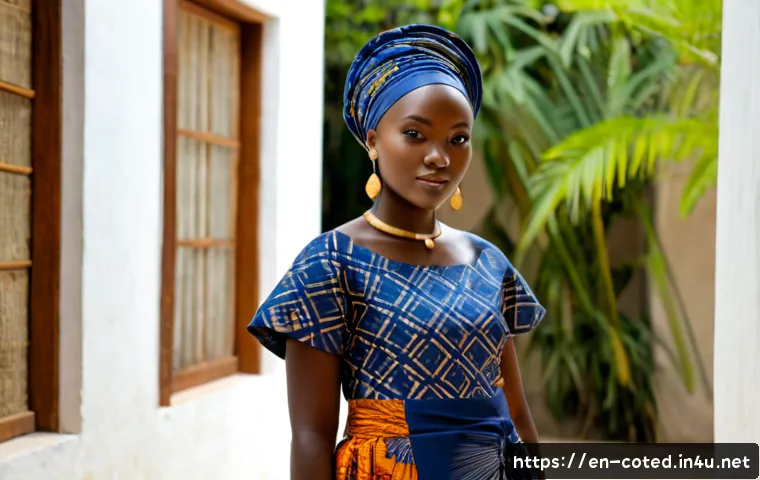
For formal ceremonies, choose a carefully tailored look with ceremonial cloth or a polished boubou-style silhouette; for daily wear, printed pagne is usually the most flexible starting point.

For a gift, focus on fabric origin, craftsmanship, and the recipient’s preferred fit rather than treating “Ivorian” as one single style. Côte d’Ivoire’s clothing traditions are diverse, shaped by many ethnic communities as well as wider West African fashion exchange.
A good purchase compares textile quality, tailoring needs, occasion suitability, and delivery details before an order is placed. This approach helps travelers, event guests, and fashion shoppers find an outfit that feels considered rather than costume-like.
Quick Overview
- Printed pagne works well for wraps, dresses, skirts, shirts, and coordinated outfits with flexible styling options.
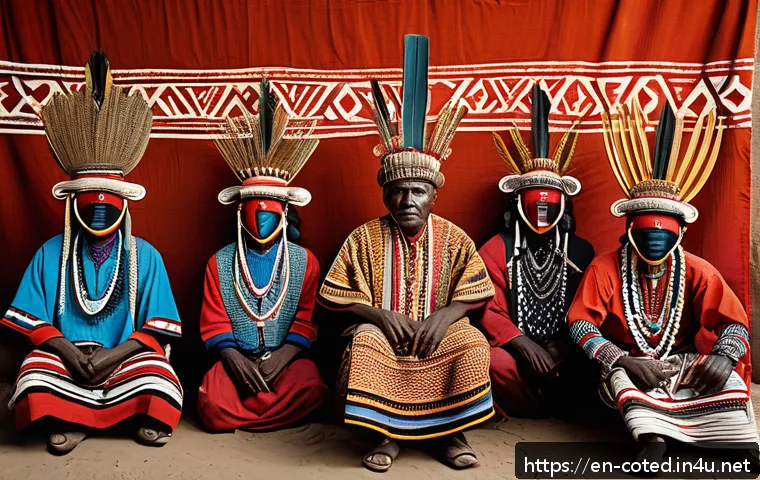
- Kita cloth is handwoven strip cloth associated with Akan traditions and is often chosen for ceremonial or formal styling.
- Boubou-style garments are widely worn for celebrations, religious occasions, and formal gatherings in Côte d’Ivoire and neighboring countries.
| Option | Best Use | Tailoring Need | Key Value Drivers |
|---|---|---|---|
| Printed pagne | Everyday styling, travel, coordinated sets | Optional, but useful for a precise fit | Print quality, textile origin, garment construction |
| Kita cloth | Ceremonial and formal styling | Often needs thoughtful planning | Handwoven construction, craftsmanship, intended use |
| Ready-made boubou style | Celebrations, formal gatherings, gift shopping | Alterations may improve the fit | Fabric, embroidery, lining, finishing details |
What Ivorian Traditional Dress Looks Like Today
Three quick answers for fabric, occasion, and fit
If you want versatility, begin with pagne fabric or a finished pagne garment. If you are attending a formal celebration, ask whether a more ceremonial textile or a boubou-style outfit is appropriate for the setting. If fit matters most, made-to-measure tailoring can be worth considering, but confirm the tailor’s process and timeline before committing.
Why Côte d’Ivoire’s fashion heritage is culturally diverse
There is no single traditional outfit that represents every Ivorian cultural group. Côte d’Ivoire has many ethnic communities, and clothing choices can reflect community, family tradition, ceremony, and personal taste. This is why a broad label such as “traditional Ivorian dress” should be treated as a starting point for learning, not as a precise cultural description.
Traditional clothing, regional influence, and contemporary design
Many garments seen in Côte d’Ivoire also connect to broader West African textile and tailoring traditions. A seller may describe an item as Ivorian even when it is better understood as regional West African fashion. Contemporary designers and custom tailors may combine traditional textiles with modern cuts, creating dresses, shirts, skirts, jackets, and matching sets suited to current wardrobes.
Key Garments and Textiles to Recognize
Pagne prints for wraps, dresses, and coordinated outfits
Pagne commonly refers to printed or patterned cloth used across West Africa. It can be worn as a wrapper or turned into a dress, skirt, shirt, or coordinated outfit. For shoppers, its appeal is flexibility: one fabric choice can support a simple travel-ready garment or a more structured occasionwear look through custom tailoring.
When comparing pagne, look beyond the pattern alone. Ask about the fabric source, feel, print quality, care needs, and whether the garment is sold as fabric or already tailored. A bold print does not automatically signal a specific universal meaning.
Kita cloth and its ceremonial presence
Kita is a handwoven strip cloth associated with Akan cultural traditions and often reserved for ceremonial or formal styling. Its woven construction and cultural context make it different from a general printed textile purchase. If you are considering kita for an event, ask respectful questions about its intended use and how it is normally styled.
Because individual traditions vary, do not assume that every color, motif, or arrangement carries the same meaning in every family or ceremony. A seller, host, or knowledgeable community contact may be the best person to clarify what is suitable.
Boubou silhouettes, headwraps, and finishing details
Boubou-style garments are widely worn in Côte d’Ivoire and neighboring West African countries, particularly for celebrations, religious occasions, and formal gatherings. Their impact often comes from proportion, drape, and finish rather than from fabric alone. Embroidery, a headwrap, jewelry, and a well-adjusted fit can be as visually important as the main garment.
For a polished result, keep accessories intentional. A dramatic embroidered boubou may need only restrained jewelry and clean footwear, while a simpler garment can carry a more expressive headwrap or statement accessory.
Compare Fabric, Tailoring, and Budget Before You Buy
Ready-made versus made-to-measure: when each option makes sense
A ready-made outfit can suit shoppers who want a straightforward choice and can work with standard sizing or later alterations. A custom-tailored outfit makes more sense when the event is important, the silhouette needs close fit, or you are buying fabric specifically for a chosen design.
Neither route is automatically better. Compare the garment measurements, alteration options, fabric handling, and delivery timing. For international orders, shipping arrangements and return terms are practical parts of the value calculation.
What affects value: weave, print quality, lining, embellishment, and labor
Garment and fabric costs can vary widely in XOF, the West African CFA franc used in Côte d’Ivoire. Price differences may reflect textile origin, craftsmanship, weave, print quality, lining, embellishment, and tailoring labor. A lower-cost option may be suitable for casual styling, while ceremonial cloth or detailed custom work can call for a different level of planning.
Instead of shopping only by price, compare what is included. Is the listing for fabric only? Does it include tailoring? Are embroidery, lining, measurements, alterations, or shipping handled separately? These details make a meaningful cost-value comparison possible.
Questions to ask a tailor or online seller before placing an order
Ask what fabric is being offered, whether the item is ready-made or made to measure, and which measurements are required. For a ceremonial look, ask about the textile’s origin and whether there are usage considerations. Also confirm care instructions, current availability, delivery timing, shipping, and return terms directly with the seller.
If you are ordering a custom outfit, review the measurement method carefully. A beautiful fabric cannot compensate for unclear sizing or a timeline that does not fit the event date.

Styling for Weddings, Festivals, Travel, and Everyday Wear
Choosing a polished guest outfit without overdressing the occasion
For an Ivorian wedding or cultural celebration, begin with the host’s guidance when available. A tailored pagne outfit or boubou-style garment can look appropriate, but the right level of formality depends on the event and community context. If you are unsure, choose a refined silhouette and avoid presenting ceremonial clothing as a costume.
Comfortable ways to adapt traditional textiles for modern wardrobes
Pagne can work naturally with contemporary clothing through a tailored skirt, shirt, dress, or coordinated set. For travel or everyday wear, prioritize a comfortable cut and pieces that can be styled separately. This may be more practical than building a look around a highly formal garment.
Accessories and footwear that support rather than overpower the look
Headwraps, jewelry, embroidery, and fit are important finishing elements. Choose footwear that suits the occasion and lets the clothing remain the focus. When a textile is especially detailed, one or two deliberate accessories often create a stronger result than adding many competing elements.
Respectful Shopping and Common Mistakes to Avoid
Confirm the community, textile origin, and intended use when relevant
When shopping for artisan textiles or ceremonial clothing, ask clear, respectful questions. Confirm whether a fabric is handwoven or printed, whether the seller identifies a particular cultural context, and whether the garment is intended for formal or everyday use. This protects both your purchase decision and the cultural context of the item.
Avoid assuming every pattern has one universal meaning
Colors, motifs, and garment styles may have different meanings across ethnic communities, families, and ceremonies. Avoid broad claims about symbolism unless the source can explain the specific context. A pattern can be visually appealing without needing an invented or generalized story attached to it.
Check measurements, care instructions, delivery timing, and return terms
Online ethical fashion shopping requires practical checks as well as cultural awareness. Review measurements, ask how the textile should be cared for, and confirm the seller’s current turnaround and shipping process. These points are especially important for custom tailoring and eventwear orders.
Selection Criteria and Comparison Summary
For formal ceremonies: consider kita or a polished boubou-style garment, but confirm the event’s expectations and cultural context. For casual styling: printed pagne offers the broadest flexibility for modern garments and coordinated pieces. For meaningful gifts: prioritize workmanship, textile origin, and the recipient’s sizing or styling preferences.
Before ordering, compare fabric origin, tailoring timeline, occasion suitability, measurements, care needs, and shipping or return conditions. Check the product or seller page for the exact fabric details, custom-tailoring process, and current delivery terms.
In Closing
Ivorian fashion is best approached with curiosity and care rather than as a single fixed look. Pagne, kita, and boubou-style garments each offer different benefits for formal events, everyday wear, and special purchases. The most satisfying choice usually comes from matching the textile and silhouette to the occasion, then confirming the details with the seller or tailor.
Useful Things to Know
1. Côte d’Ivoire uses the West African CFA franc (XOF).
2. Headwraps, jewelry, embroidery, and fit can strongly shape the finished look.
3. A garment described as traditional Ivorian may reflect wider West African fashion rather than one specific Ivorian community.
4. Fabric availability and custom-tailoring timelines should be confirmed directly before purchase.
Important Notes
Exact color meanings, motif interpretations, retail pricing, fabric availability, and tailoring turnaround times vary. Confirm cultural context, intended use, measurements, care instructions, and seller terms directly rather than relying on general descriptions.
Frequently Asked Questions
Q1. What should I wear to an Ivorian wedding or cultural celebration?
A1. Follow the host’s guidance first. A tailored pagne outfit or a polished boubou-style garment can be suitable, while kita may be more appropriate for ceremonial or formal styling. Avoid assuming that one outfit or motif fits every community and event.
Q2. Is custom tailoring worth the additional cost for a pagne or boubou outfit?
A2. It can be worthwhile when fit, event importance, or a specific design matters to you. Compare the tailoring labor, lining, embellishment, measurement process, alteration options, and timeline with a ready-made alternative before deciding.
Q3. How can I buy Côte d’Ivoire-inspired clothing respectfully online?
A3. Ask about textile origin, construction, intended use, and whether the item is tied to a particular community or ceremonial context. Compare fabric origin, tailoring timeline, and occasion suitability before ordering, and verify care, shipping, and return details with the seller.