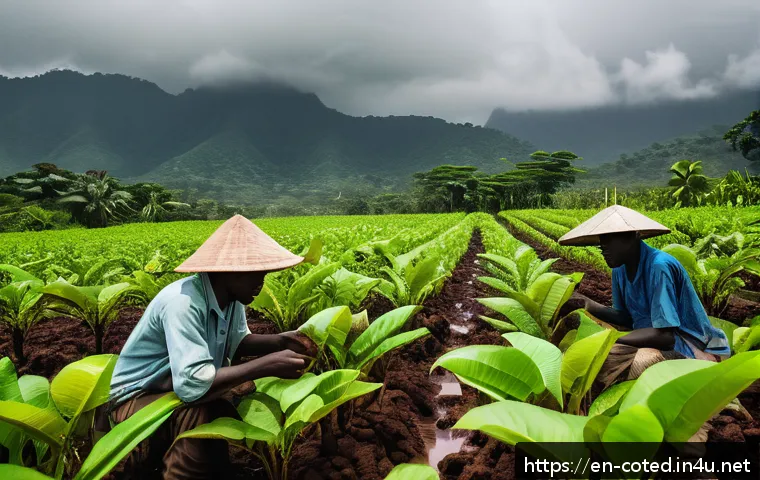
As global conversations around climate change intensify, Ivory Coast finds itself at a critical crossroads. The nation’s rich biodiversity and agricultural backbone face unprecedented threats from shifting weather patterns and environmental degradation.
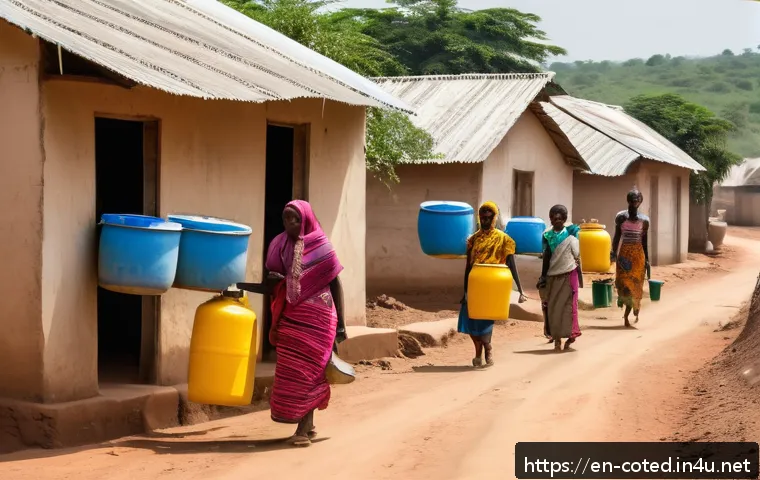
In recent years, extreme droughts and unpredictable rainfall have disrupted local livelihoods, sparking urgent calls for sustainable solutions. If you’re curious about how these challenges are reshaping Ivory Coast’s future, stick around—this exploration uncovers the real impact and innovative responses emerging from the heart of West Africa.
Together, let’s dive into the evolving story of resilience and change.
Shifting Rainfall Patterns and Their Ripple Effects
Unpredictable Seasons Disrupting Traditional Farming
The rhythms of farming in Ivory Coast have long depended on predictable rainy and dry seasons. Lately, though, these patterns have become erratic—rains arrive late, end abruptly, or fall in unexpected bursts.
For smallholder farmers who rely heavily on timing their planting and harvesting, this unpredictability is a nightmare. Crops like cocoa, coffee, and yams, which form the backbone of the country’s agricultural economy, often suffer from either drought stress or flooding.
I remember chatting with a farmer in the Bas-Sassandra region who shared how his entire cocoa yield was decimated because the rains stopped suddenly during flowering.
Such experiences underline the growing challenge: traditional knowledge is increasingly insufficient in the face of climate chaos.
Water Scarcity and Its Impact on Rural Communities
Drought conditions have intensified water shortages, especially in the northern and central regions. Access to clean water for both irrigation and daily use has become a daily struggle.
Women and children, who typically bear the burden of water collection, find themselves walking longer distances, sometimes hours more than before. The stress on water resources also affects livestock health and the viability of crops, leading to food insecurity.
It’s a vicious cycle—less water means less food, which then exacerbates poverty and malnutrition. During a recent visit to a village near Korhogo, I observed how residents are now experimenting with rainwater harvesting to alleviate shortages, but the scale of need far exceeds current efforts.
Table: Key Climate Trends Affecting Ivory Coast Agriculture
| Climate Factor | Impact on Agriculture | Regions Most Affected | Local Adaptation Examples |
|---|---|---|---|
| Delayed Rainy Season | Late planting, crop failure risk | Southwest, Central | Shift to drought-resistant crops |
| Intense Drought Periods | Water shortages, soil degradation | North, Northeast | Rainwater harvesting, drip irrigation |
| Unpredictable Heavy Rainfall | Soil erosion, flooding of fields | Coastal, Southwestern | Terracing, improved drainage systems |
Deforestation and Biodiversity Loss: A Growing Concern
Expanding Agriculture vs. Forest Conservation
Ivory Coast’s booming agricultural sector has often come at the expense of its forests, which once covered vast expanses of the country. Farmers clearing land to grow cash crops like cocoa are encroaching on protected areas and wildlife habitats.
The loss of forest cover not only reduces biodiversity but also undermines natural climate regulation—trees act as carbon sinks and help maintain local rainfall cycles.
In my conversations with environmentalists based in Abidjan, there’s a palpable urgency to balance economic needs with conservation. Some are advocating for agroforestry practices, where trees and crops coexist, providing both income and ecological benefits.
Threats to Iconic Wildlife and Ecosystems
The dwindling forests also put Ivory Coast’s unique wildlife at risk. Species like the pygmy hippopotamus and various primates are losing habitat, pushing them closer to extinction.
This loss also diminishes opportunities for eco-tourism, which has the potential to diversify local economies. Community-based conservation projects have started to emerge, empowering locals to protect forests while benefiting economically.
One inspiring example is a community near Taï National Park that has initiated patrol groups to prevent illegal logging, combining traditional knowledge with modern conservation techniques.
Innovative Approaches to Climate Resilience
Community-Led Adaptation Strategies
What’s exciting to see is how local communities are not just victims but active agents of change. Across Ivory Coast, farmers and village leaders are experimenting with new methods to cope with climate pressures.
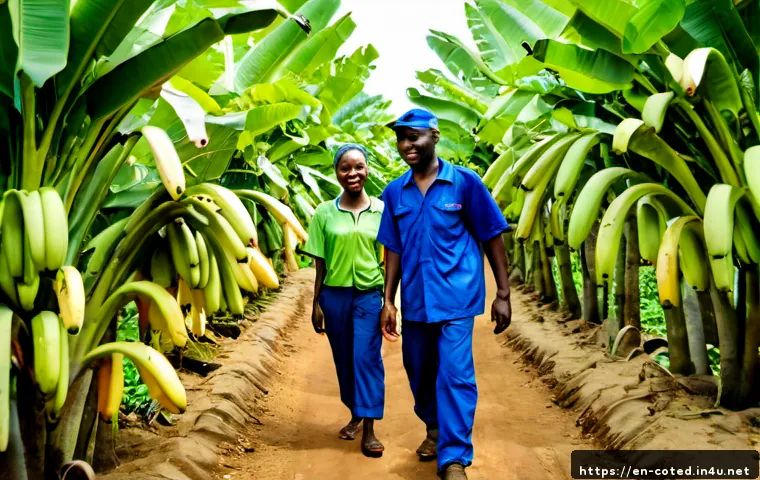
These include planting drought-tolerant crop varieties, using organic compost to improve soil moisture retention, and diversifying income through beekeeping or small-scale aquaculture.
From my field visits, it’s clear that when communities receive support—whether technical training or financial aid—they quickly innovate solutions tailored to their environments.
This grassroots resilience is vital for long-term sustainability.
Government and NGO Collaborations
The government of Ivory Coast, along with international NGOs, has stepped up efforts to address environmental challenges. Programs focused on reforestation, sustainable land management, and climate-smart agriculture are underway.
However, implementation gaps remain, especially in remote areas. I’ve noticed that successful projects often share a common trait: strong local participation and culturally sensitive approaches.
For instance, one NGO project I observed in the Comoé region combined traditional farming practices with satellite data to optimize planting schedules, showing how blending old and new knowledge can yield results.
Technology and Climate Data Utilization
Access to timely weather forecasts and climate data is revolutionizing how farmers plan their activities. Mobile apps and SMS alerts now provide localized weather updates, helping farmers decide when to plant or irrigate.
While not everyone has access to smartphones, community centers and agricultural extension workers play a key role in disseminating this information. During a workshop I attended in Yamoussoukro, farmers expressed optimism about these tools, noting how even small shifts in timing can improve yields and reduce losses.
Urbanization and Its Environmental Footprint
Rapid Growth and Increased Pollution
Ivory Coast’s urban centers, particularly Abidjan, have experienced rapid expansion over the past decade. This growth brings challenges such as increased waste generation, air pollution, and strain on water and sanitation infrastructure.
Urban sprawl often encroaches on natural green spaces, reducing the city’s ability to absorb heat and manage stormwater. I’ve noticed in my visits that informal settlements, where many vulnerable populations live, are especially exposed to environmental hazards.
Addressing urban environmental issues requires integrated planning that balances development with sustainability.
Waste Management Challenges and Innovations
Effective waste disposal remains a pressing issue in many Ivorian cities. Open dumps and inadequate recycling systems contribute to pollution and health risks.
However, some local entrepreneurs have turned waste into opportunity, creating businesses around recycling plastics and organic waste composting. I was impressed by a startup in Abidjan that collects plastic waste from neighborhoods and transforms it into affordable building materials.
Scaling such initiatives could significantly mitigate urban environmental pressures while creating jobs.
Green Spaces as Urban Climate Buffers
Urban parks and tree-lined streets play a crucial role in cooling cities and improving air quality. Efforts to expand green spaces in Abidjan and other cities are underway but face challenges like land availability and maintenance funding.
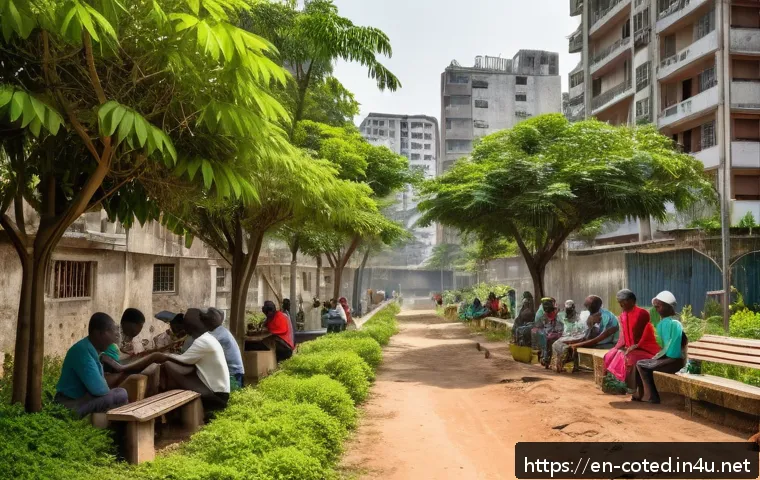
Community-led greening projects, where residents plant and care for trees, have shown promise in fostering environmental awareness and improving neighborhood resilience.
From what I’ve seen, these small-scale initiatives also strengthen social bonds, which is essential for collective action on broader climate issues.
Economic Implications and Future Prospects
Balancing Growth with Environmental Sustainability
Ivory Coast’s economy is heavily dependent on agriculture and natural resource extraction, making it vulnerable to climate impacts. Yet, economic growth remains a priority for policymakers.
The challenge lies in charting a development path that minimizes environmental degradation while promoting prosperity. I’ve encountered many local entrepreneurs who believe that sustainability and profitability can go hand in hand, especially in sectors like agroforestry, eco-tourism, and clean energy.
Supporting these emerging green industries could create jobs and reduce climate risks simultaneously.
International Partnerships and Funding Opportunities
Global climate finance mechanisms are increasingly accessible to countries like Ivory Coast. Grants and loans from organizations such as the Green Climate Fund aim to support adaptation and mitigation projects.
However, accessing these funds requires robust proposals and governance structures, which can be a hurdle. I’ve noticed that capacity building in project management and transparency is becoming a priority for both government agencies and NGOs.
Strengthening these areas will be crucial for maximizing international support and implementing impactful programs.
Empowering Youth and Future Generations
Young people in Ivory Coast are not only the most affected by climate change but also the most eager to drive solutions. Educational programs focusing on environmental stewardship and climate science are gaining traction in schools and universities.
Youth-led organizations are mobilizing around issues like reforestation, renewable energy, and sustainable agriculture. When I attended a youth climate forum in Abidjan, the passion and ideas shared were inspiring, highlighting a hopeful path forward if these voices receive adequate support and platforms.
Renewable Energy and Sustainable Infrastructure
Expanding Access to Clean Energy
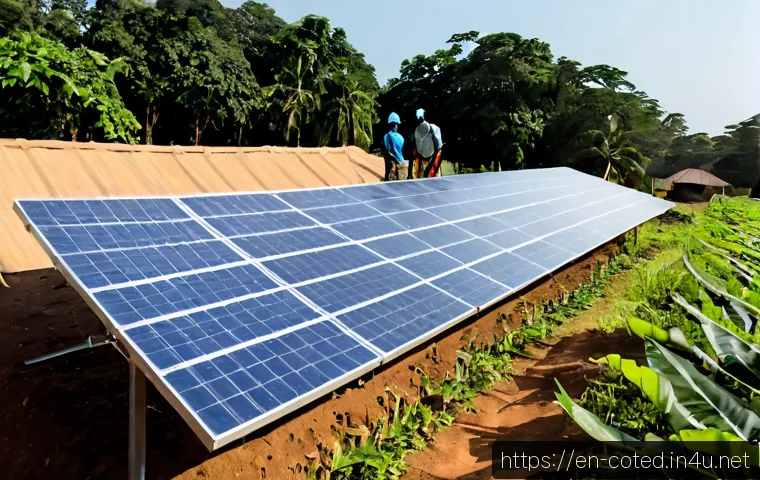
The energy sector in Ivory Coast is undergoing transformation with increased investment in renewable sources such as solar and small hydropower. Expanding clean energy access is vital, especially in rural areas where grid connectivity is limited.
I’ve met several entrepreneurs installing solar kits that provide lighting and phone charging, which dramatically improve quality of life and economic opportunities.
Scaling up these decentralized solutions can reduce reliance on fossil fuels and lower greenhouse gas emissions.
Building Climate-Resilient Infrastructure
Infrastructure development must now account for climate risks, including floods and extreme heat. Roads, bridges, and buildings designed with resilience in mind can withstand shocks and reduce repair costs.
In recent projects around Abidjan, engineers have incorporated better drainage systems and heat-resistant materials. These efforts, although sometimes more costly upfront, save money and lives in the long run.
My takeaway from discussions with planners is that climate-proofing infrastructure is becoming a non-negotiable element of urban and rural development.
Challenges in Financing and Policy Implementation
Despite the clear benefits, financing sustainable infrastructure remains a bottleneck. Private sector investment is cautious, and public funds are stretched thin.
Policy frameworks supporting renewable energy and resilient construction exist but often lack enforcement. From what I’ve gathered, improving regulatory certainty and incentivizing green investments could unlock more resources.
Encouragingly, pilot projects demonstrating success are helping build confidence among investors and policymakers alike.
Conclusion
The complex interplay of shifting rainfall, deforestation, urban growth, and economic pressures presents significant challenges for Ivory Coast. Yet, the resilience and innovation demonstrated by communities, supported by government and technology, offer hope for a sustainable future. Embracing climate-smart practices and fostering partnerships will be key to navigating these changes effectively.
Useful Information to Know
1. Climate variability in Ivory Coast is disrupting traditional farming schedules, necessitating new agricultural strategies.
2. Water scarcity is a growing concern, especially for rural communities reliant on agriculture and livestock.
3. Deforestation threatens biodiversity and climate regulation, but agroforestry and community conservation efforts are gaining ground.
4. Urban expansion increases pollution and waste management challenges, yet innovative recycling and greening projects are emerging.
5. Renewable energy adoption and climate-resilient infrastructure development are crucial but face financing and policy hurdles.
Key Takeaways
Ivory Coast’s future hinges on balancing economic growth with environmental stewardship. Strengthening local capacity, encouraging community-led adaptation, and improving access to climate data are essential. Collaboration between government, NGOs, and the private sector will drive sustainable solutions that support both livelihoods and ecosystems. Investing in youth empowerment and green technologies will further enhance resilience and long-term prosperity.
Frequently Asked Questions (FAQ) 📖
Q: How is climate change specifically impacting agriculture in Ivory Coast?
A: Climate change has dramatically altered weather patterns in Ivory Coast, causing irregular rainfall and prolonged droughts that directly affect crop yields.
Cocoa, a key export and livelihood source, is particularly vulnerable. Farmers face unpredictable growing seasons and increased pest outbreaks, which reduce productivity and income.
From my conversations with local farmers, it’s clear that these changes create a lot of uncertainty, pushing many to seek alternative farming methods or crops better suited to new climatic conditions.
Q: What measures are being taken in Ivory Coast to address environmental degradation and support sustainability?
A: The government and various NGOs have launched several initiatives aimed at reforestation, soil conservation, and water management. For example, agroforestry projects that combine tree planting with crop cultivation are gaining traction, helping to restore biodiversity while improving farm resilience.
I’ve seen community-led programs where locals actively participate in protecting forests and adopting sustainable farming techniques, which shows promising progress toward balancing economic needs with environmental care.
Q: Can Ivory Coast’s biodiversity survive the ongoing climate challenges?
A: It’s a tough battle, but there is hope. Ivory Coast’s rich biodiversity is under pressure from habitat loss and changing ecosystems, yet conservation efforts are ramping up.
Protected areas and wildlife corridors are being expanded to safeguard endangered species. My visits to some national parks revealed dedicated rangers and scientists working tirelessly to monitor wildlife and restore habitats.
While the threats are real, this commitment offers a chance for ecosystems to adapt and thrive alongside human communities.