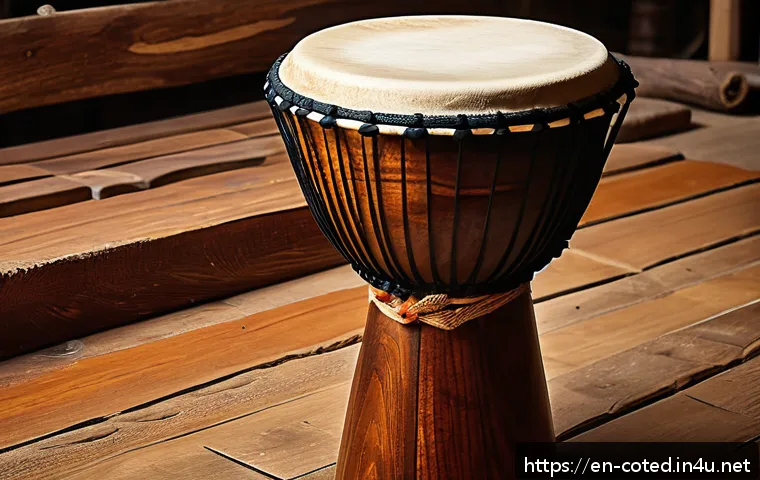
In today’s fast-paced world, finding authentic, handcrafted treasures feels like uncovering hidden gems. Ivory Coast pottery, rich in tradition and artistry, offers just that—timeless beauty crafted with care and cultural pride.
As global interest in sustainable and meaningful souvenirs grows, these exquisite pieces stand out, telling stories of heritage and craftsmanship. Whether you’re a seasoned collector or a curious traveler, exploring Ivory Coast’s pottery scene promises a journey full of vibrant colors, unique textures, and deep-rooted history.
Let’s dive into this captivating world and discover why these handcrafted souvenirs deserve a special place in your collection.
Exploring the Artistry Behind Ivory Coast Pottery
From Clay to Creation: The Crafting Process
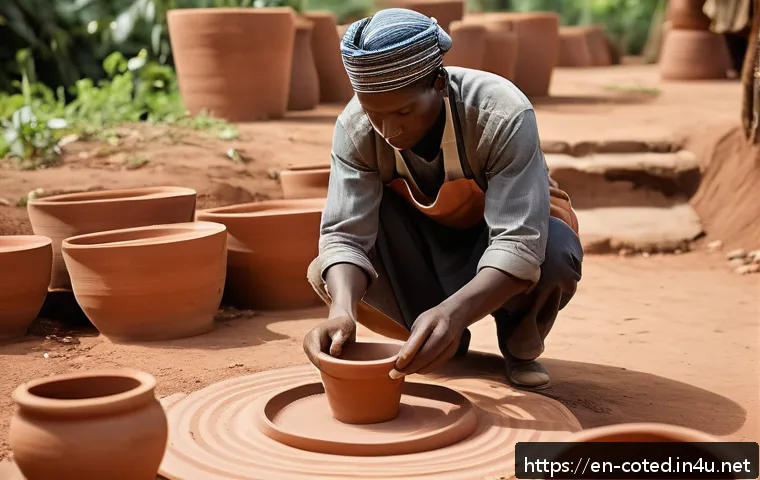
The journey of Ivory Coast pottery begins with the earth itself—locally sourced clay that holds centuries of tradition. Artisans typically hand-knead and purify the clay to remove impurities, a process that requires both patience and skill.
What fascinates me is how each potter uses their hands almost like musical instruments, shaping the clay on traditional wheels or sometimes even by coiling methods without any machinery.
This tactile connection is what breathes life into every piece, making each vessel uniquely expressive. After shaping, the drying and firing stages follow, often in wood-fired kilns that impart subtle variations in texture and color, a hallmark of authentic craftsmanship.
Having seen this firsthand, I can attest to the profound respect these artists have for their materials and heritage.
Symbolism and Cultural Stories Embedded in Design
Ivory Coast pottery is more than functional ware—it’s a canvas for cultural narratives and symbolism. Many designs incorporate motifs inspired by nature, folklore, and spiritual beliefs, acting as visual storytellers passed down through generations.
For example, geometric patterns might represent fertility or protection, while certain animal shapes evoke ancestral spirits. What struck me is how these symbolic elements are not just decorative but carry deep meanings that connect the present with the past.
Collectors who understand these stories often feel a stronger emotional connection to their pieces, seeing them as living fragments of Ivory Coast’s rich cultural tapestry.
The Role of Pottery in Daily Life and Ceremonies
Pottery in Ivory Coast serves both practical and ceremonial purposes. In everyday life, pots and bowls crafted by local artisans are used for cooking, storage, and serving, prized for their durability and heat resistance.
However, their significance extends beyond utility. During traditional ceremonies, specially crafted pots hold sacred roles—from rites of passage to harvest festivals—making them integral to community identity.
From my conversations with locals, it became clear that owning these pots is a source of pride and a way to honor tradition. This dual purpose of pottery enhances its value as a souvenir, representing not just artistry but a lived cultural experience.
Distinctive Styles and Regional Variations
Coastal vs. Inland Techniques and Aesthetics
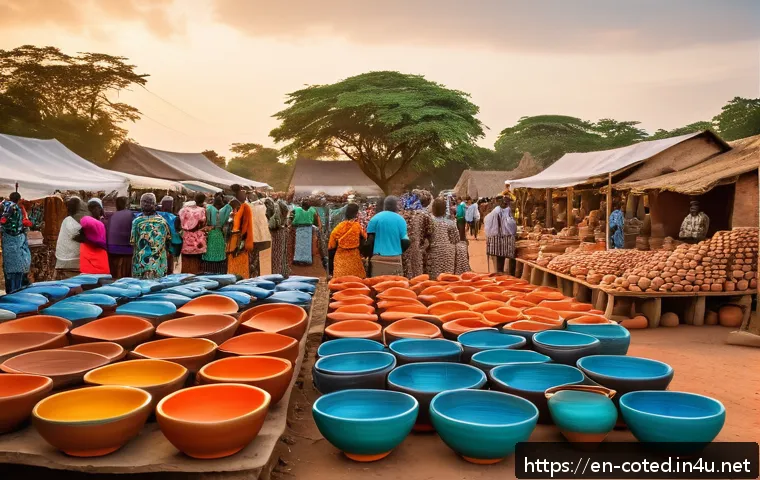
One of the most captivating aspects of Ivory Coast pottery is the diversity you encounter across regions. Coastal artisans often favor smoother finishes and incorporate brighter pigments, reflecting the vibrant seaside environment and trading influences from neighboring countries.
In contrast, inland pottery tends to emphasize earthy tones and rougher textures, mirroring the natural landscape and forested surroundings. This regional distinction is not just about appearance; it reveals how different communities interpret and adapt pottery-making techniques to their environment and lifestyle.
When I visited various markets, I noticed that collectors often seek out pieces from multiple regions to capture this spectrum of artistry.
Notable Artisan Communities and Their Specialties
Certain villages in Ivory Coast are renowned for their pottery craftsmanship. For instance, the community of Bouaflé is famous for its large storage jars adorned with intricate incisions, while the Dan region is known for delicate figurines that blend pottery with sculptural art.
These artisan hubs often pass down skills through family lines, making their techniques highly refined and culturally significant. I was lucky enough to witness a master potter in one of these villages teaching apprentices, an experience that highlighted the importance of preserving these skills.
For collectors, sourcing pieces directly from these communities not only guarantees authenticity but also supports the artisans’ livelihoods.
Materials and Techniques That Define Regional Identity
Different regions also distinguish themselves through the types of clay and firing methods used. Some areas utilize red clay that produces warm hues, while others prefer a more neutral or blackened finish achieved through specific firing atmospheres.
Techniques such as burnishing, slip application, or etching further diversify the final look and feel of the pottery. These subtle differences serve as markers of origin, allowing enthusiasts to identify where a piece was made just by its texture and color palette.
I find this aspect particularly thrilling because it adds a detective-like element to collecting, deepening appreciation for each artifact’s unique story.
Why Sustainable Souvenirs Matter More Than Ever
Environmental Impact of Handcrafted Pottery
In a world increasingly aware of sustainability, Ivory Coast pottery stands out as an eco-friendly choice. Unlike mass-produced ceramics, these handcrafted pieces rely on natural, locally sourced materials and energy-efficient firing methods.
What I appreciate is that artisans often reuse scraps and maintain a low-waste workshop environment, which significantly reduces their carbon footprint.
When you choose a handcrafted pot, you’re supporting not only cultural heritage but also environmentally responsible practices—a double win in today’s conscious consumer market.
Supporting Local Economies and Artisans
Purchasing pottery directly from Ivory Coast artisans has a powerful economic impact. It ensures that profits stay within communities, fostering economic independence and encouraging younger generations to continue traditional crafts.
From personal experience, I can say that buying directly at local markets or through fair-trade organizations makes a real difference. It’s rewarding to know your souvenir is more than just an object—it’s a contribution to sustaining a way of life.
This kind of mindful purchasing enriches the travel experience and brings greater meaning to the items you bring home.
How Collectors Can Promote Ethical Practices
For collectors keen on ethical sourcing, it’s essential to research and verify the origin of pottery pieces. Supporting cooperatives, fair-trade shops, and certified artisan groups helps ensure transparency and fair compensation.
I’ve found that asking questions about the artist, the process, and the materials not only educates you but also encourages ethical business practices.
Sharing these stories with fellow collectors can create a ripple effect, promoting a market that values authenticity and sustainability over mass production.
Understanding the Investment Value of Handcrafted Pottery
Rarity and Uniqueness as Key Factors
Handcrafted Ivory Coast pottery often holds significant investment potential due to its rarity and the uniqueness of each piece. Unlike factory-made ceramics, no two pots are exactly alike, and many are created in limited quantities.
From my observation, collectors prize those with intricate designs or historical significance, which can appreciate over time. The scarcity of certain regional styles or those made by master potters adds an exclusive allure, making them sought-after treasures in the art market.
Maintaining and Displaying Pottery for Longevity
To preserve the beauty and value of these handcrafted pieces, proper care is crucial. I’ve learned that avoiding harsh detergents, keeping pottery away from extreme temperature changes, and displaying them in safe, dust-free environments help maintain their condition.
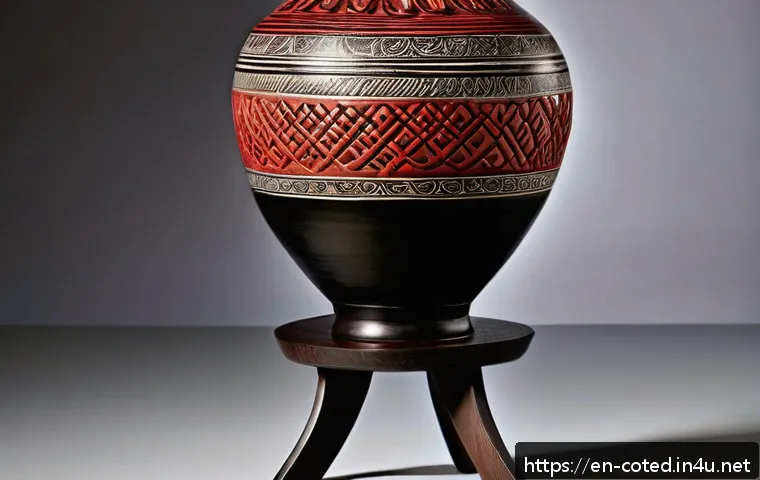
Many collectors also invest in custom stands or protective glass cases to showcase their collection while preventing damage. These small efforts not only extend the life of the pottery but also enhance its aesthetic appeal, making the investment worthwhile.
Trends in Global Collecting and Market Demand
Global interest in ethnic and sustainable art has surged, boosting demand for Ivory Coast pottery. Auction houses and galleries have started recognizing these works as valuable cultural artifacts, attracting both seasoned collectors and new enthusiasts.
I’ve noticed an increase in online platforms dedicated to African art, which makes these treasures more accessible worldwide. Staying informed about market trends and emerging artists can help collectors make savvy decisions and enjoy a more rewarding collecting journey.
Practical Tips for Buying and Bringing Home Ivory Coast Pottery
Choosing Authentic and High-Quality Pieces
When shopping for Ivory Coast pottery, authenticity is key. I always recommend looking for signs of handcrafting—irregularities in shape, brush strokes, or firing marks—since these confirm the piece’s handmade nature.
Avoid items that look overly uniform or machine-made. Engaging with the seller or artisan to learn about the piece’s history and technique can also provide assurance.
From my travels, I’ve found that purchasing directly from artisan markets or trusted galleries is the best way to ensure quality and authenticity.
Packing and Shipping Considerations
Pottery can be fragile, so proper packing is essential when bringing it home. I’ve had my fair share of challenges here but found that wrapping pieces in bubble wrap, packing them tightly with soft materials, and using sturdy boxes works best.
Some artisans offer shipping services with insurance, which I recommend for larger or more valuable items. Planning ahead to accommodate these needs prevents heartbreak and ensures your treasure arrives safely.
Customs and Import Regulations
It’s wise to check customs regulations before traveling with pottery, especially if you’re buying multiple or large pieces. Some countries have restrictions or require declarations for handmade goods.
I’ve had to research import duties and fill out paperwork on occasion, which can save you from unexpected fees or delays. Being informed helps smooth the process and makes your collecting experience hassle-free.
| Aspect | Details | Collector’s Tip |
|---|---|---|
| Material | Locally sourced clay, often red or blackened by firing techniques | Check for natural texture and color variations |
| Design Motifs | Geometric patterns, animal figures, symbolic incisions | Learn meanings to deepen connection |
| Region | Coastal (smooth, bright) vs. Inland (earthy, rough) | Collect from multiple regions for variety |
| Crafting Method | Hand-coiling, wheel throwing, wood-fired kilns | Look for handmade imperfections as authenticity markers |
| Use | Functional ware and ceremonial vessels | Respect cultural significance when displaying |
| Sustainability | Low waste, eco-friendly firing, local materials | Support fair-trade and artisan cooperatives |
| Care | Avoid harsh chemicals, protect from temperature shocks | Use soft cleaning methods and proper display cases |
Immersing Yourself in Ivory Coast Pottery Culture
Visiting Artisan Workshops and Markets
There’s nothing quite like experiencing Ivory Coast pottery culture in person. Visiting artisan workshops offers an intimate glimpse into the techniques and daily life of potters.
I remember stepping into a humble studio where the air was thick with the scent of wet clay and smoke from the kiln—a sensory experience that pictures can’t capture.
Markets are equally vibrant, bustling with energy and stories, where you can haggle, learn, and connect directly with the makers. These moments turn a simple souvenir hunt into a meaningful cultural exchange.
Participating in Pottery Workshops and Demonstrations
For those eager to get hands-on, many communities offer workshops where visitors can try their hand at pottery-making. I found this to be an eye-opening experience, realizing how much patience and skill go into even the simplest pot.
These sessions deepen appreciation for the craft and create lasting memories. Plus, crafting your own piece adds a personal touch to your collection, a story you’ll cherish for years.
Building Relationships with Artisans for Future Collecting
Developing a rapport with artisans can enhance your collecting journey tremendously. When I returned to Ivory Coast multiple times, familiar faces welcomed me warmly, sharing new designs and insights.
These relationships often lead to exclusive access to limited editions or custom orders, making your collection truly unique. Beyond that, supporting artisans on a personal level fosters cultural preservation and mutual respect, enriching both your travels and your collection.
In Conclusion
Ivory Coast pottery is a remarkable blend of artistry, culture, and tradition that continues to thrive through the dedication of skilled artisans. Each piece tells a unique story, reflecting the rich heritage and environmental influences of its region. Whether admired for its beauty or collected as a meaningful souvenir, this craft offers a deep connection to the people and history of Ivory Coast. Experiencing it firsthand truly enriches one’s appreciation for handmade art and sustainable practices.
Helpful Information to Keep in Mind
1. Authenticity matters: Look for handmade imperfections and engage with artisans to verify the origin of pottery pieces.
2. Regional styles vary: Coastal pottery tends to be smooth and colorful, while inland pieces are earthier and textured.
3. Sustainable choice: Handcrafted pottery uses natural materials and low-impact firing methods, supporting eco-friendly traditions.
4. Proper care extends lifespan: Avoid harsh chemicals and extreme temperatures to preserve both beauty and value.
5. Supporting artisans directly helps local economies and preserves cultural heritage for future generations.
Key Takeaways
Ivory Coast pottery is not just decorative ware but a living cultural artifact deeply embedded with symbolic meaning and traditional techniques. Collecting these pieces responsibly means prioritizing authenticity, sustainability, and fair trade, which ensures that artisans receive proper recognition and support. Understanding regional differences and proper care methods enhances both the enjoyment and longevity of your collection. Ultimately, investing in this craft is an investment in preserving a vibrant cultural legacy while enjoying unique, handcrafted art.
Frequently Asked Questions (FAQ) 📖
Q: uestions about Ivory Coast PotteryQ1: What makes Ivory Coast pottery unique compared to other
A: frican pottery styles? A1: Ivory Coast pottery stands out due to its deep connection with local traditions and cultural symbolism. Artisans use natural clay sources and age-old hand-building techniques passed down through generations, which creates pieces with unique textures and forms.
Unlike mass-produced ceramics, each item reflects the maker’s personal touch and the region’s heritage, often featuring vibrant patterns inspired by nature and folklore.
From my experience visiting local markets, these pots aren’t just functional—they’re storytelling artifacts that embody the spirit of the community.
Q: How can I ensure that the Ivory Coast pottery I buy is authentic and ethically made?
A: To guarantee authenticity, it’s best to purchase directly from reputable artisans or certified cooperatives that support fair trade practices. Many villages in Ivory Coast have artisan collectives that emphasize sustainable sourcing and fair wages.
When buying, look for subtle irregularities in shape or glaze, which indicate handmade craftsmanship, and ask about the origin of the clay and the artist’s background.
Personally, I’ve found that building a relationship with sellers, either in person or through trusted online platforms, helps me feel confident that my purchase supports the local community and preserves traditional methods.
Q: How should I care for and display Ivory Coast pottery to maintain its beauty over time?
A: Since most Ivory Coast pottery is handmade and often unglazed or only partially glazed, it’s important to handle it with care. Avoid exposing pieces to sudden temperature changes or prolonged moisture, which can cause cracking.
Cleaning should be gentle—just a soft, damp cloth and mild soap if needed, avoiding harsh chemicals. Display-wise, these pots shine as decorative accents in living rooms, entryways, or even gardens where their earthy tones and vibrant designs complement natural settings.
From my own home experience, placing them on sturdy shelves away from direct sunlight helps preserve their colors and texture for years.