
As West Africa rapidly embraces digital innovation, Ivory Coast stands out as a vibrant hub where online business is reshaping the economic landscape.
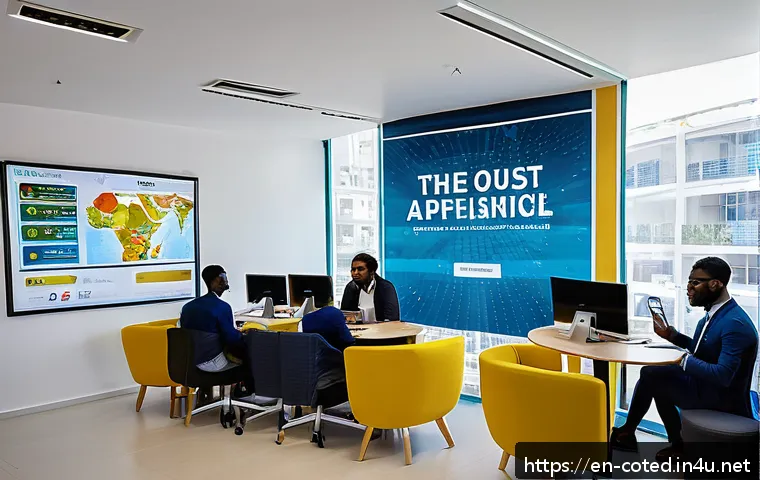
With internet access expanding and a youthful, tech-savvy population eager to engage, new opportunities are emerging every day. Whether it’s e-commerce, fintech, or digital services, the momentum is undeniable—and it’s fueling growth beyond traditional industries.
Join me as we explore how Ivory Coast is unlocking its digital frontier and what this means for the future of West Africa’s economy. This journey into transformation is packed with insights you won’t want to miss!
Driving Forces Behind Ivory Coast’s Digital Business Boom
Rapid Expansion of Internet Infrastructure
Ivory Coast has witnessed a remarkable surge in internet penetration over the past few years. Thanks to government initiatives and private sector investments, broadband connectivity has expanded from urban centers to smaller towns and rural areas.
The rollout of affordable 4G networks combined with rising smartphone ownership has dramatically lowered the barriers to entry for digital entrepreneurs.
From my conversations with local startup founders, it’s clear that this infrastructure upgrade isn’t just about access—it’s about unlocking the ability to innovate and reach customers instantly.
The digital landscape is no longer confined to Abidjan; it’s spreading throughout the country, creating fertile ground for a diverse range of online businesses to flourish.
Youthful Population as Digital Pioneers
Ivory Coast’s median age is around 19 years, meaning the majority of the population grew up in a connected world. This youthful demographic is tech-savvy, highly adaptive, and hungry for new opportunities that digital platforms provide.
Many young Ivorians are not just consumers but creators, leveraging social media, e-commerce, and fintech solutions to build their own ventures. I’ve met several young entrepreneurs who started small online shops or developed mobile apps targeting local needs, and their enthusiasm is infectious.
The combination of youthful energy and digital literacy is fueling a wave of innovation that’s reshaping traditional economic roles and opening new career paths.
Government Policies Supporting Digital Growth
The Ivorian government has recognized the importance of the digital economy and implemented policies to nurture its growth. Initiatives such as tax incentives for tech startups, digital literacy programs, and partnerships with international tech firms have created a supportive ecosystem.
From my experience attending local tech events, it’s evident that public-private collaboration is playing a crucial role in accelerating digital adoption.
The government’s commitment to creating a regulatory framework that encourages investment while protecting consumers is helping build trust and sustainability within the online business sector.
Emerging Sectors Powering the Digital Economy
E-commerce Revolutionizing Retail
The rise of e-commerce platforms in Ivory Coast is transforming how people shop and sell products. Online marketplaces are enabling artisans, farmers, and small business owners to reach customers beyond their immediate communities.
During a recent visit to a digital trade fair, I observed how sellers use mobile apps to manage inventory, accept payments, and market their goods. This shift isn’t just convenient; it’s empowering local producers to participate in a larger economy and diversify their income streams.
The convenience of home delivery and digital payment options is driving consumer adoption, making e-commerce one of the fastest-growing sectors in the country.
Fintech Innovations Enhancing Financial Inclusion
Fintech startups in Ivory Coast are breaking down barriers to financial services, particularly for the unbanked population. Mobile money platforms, peer-to-peer lending apps, and digital wallets are becoming household names.
I’ve personally used some of these services, and what stands out is how intuitive and accessible they are, even for users with limited experience. By leveraging mobile technology, fintech companies are enabling people to save, transfer money, and access credit without the need for traditional banks.
This democratization of finance is critical in a country where many still lack formal banking relationships.
Growth of Digital Services and Remote Work
The pandemic accelerated the adoption of digital services like online education, telemedicine, and freelance platforms in Ivory Coast. More professionals are now able to work remotely, connect with international clients, and offer specialized skills through digital channels.
I’ve spoken with freelancers who have built stable incomes by providing graphic design, programming, and consulting services online. This trend is opening up new income opportunities and diversifying the economy away from its traditional reliance on agriculture and natural resources.
Challenges and Opportunities in Scaling Online Businesses
Addressing Payment and Logistics Hurdles
While the potential is enormous, online businesses in Ivory Coast face challenges related to payment systems and delivery infrastructure. Cash remains king for many consumers, and digital payment adoption is still uneven.
Additionally, logistics networks outside major cities are underdeveloped, causing delays and increasing costs. From firsthand accounts of startup founders, overcoming these obstacles requires creative solutions such as cash-on-delivery models and partnerships with local transporters.
Improving these systems is critical to sustaining growth and customer satisfaction.
Navigating Regulatory and Security Concerns
Entrepreneurs must also navigate evolving regulatory frameworks and cybersecurity risks. Data protection laws are in the early stages, and many businesses lack the resources to implement robust security measures.
I’ve noticed that trust-building with customers through transparent policies and secure platforms is a key differentiator. As digital commerce grows, the demand for clear regulations and stronger consumer protections will increase, presenting both a challenge and an opportunity for innovators.
Leveraging Local Talent for Global Competitiveness
Ivory Coast has a rich pool of talented developers, designers, and marketers eager to contribute to the digital economy. However, brain drain remains an issue as some skilled professionals seek opportunities abroad.
Encouraging local talent retention through competitive salaries, training, and a vibrant startup ecosystem is essential. I’ve seen promising initiatives where tech hubs and incubators provide mentorship and networking, enabling local entrepreneurs to compete on a global scale.
Key Digital Metrics Shaping Ivory Coast’s Online Landscape
| Metric | Value | Impact on Digital Business |
|---|---|---|
| Internet Penetration | ~50% nationwide | Expands customer base and market reach |
| Smartphone Ownership | ~60% of population | Facilitates mobile commerce and app usage |
| Youth Population (Under 25) | ~60% | Drives innovation and digital adoption |
| Mobile Money Users | Over 10 million | Enhances financial inclusion and payment options |
| Startups Founded Annually | 200+ | Indicates growing entrepreneurial ecosystem |
How International Partnerships Fuel Digital Expansion
Foreign Investment and Tech Collaborations
Ivory Coast’s digital ecosystem is benefiting significantly from foreign investments and partnerships with global tech companies. Multinational firms are investing in local startups and infrastructure projects, bringing expertise and capital that accelerate growth.
I’ve attended events where representatives from international accelerators actively scout for promising Ivorian ventures, signaling strong confidence in the market.
These collaborations not only provide funding but also open access to international markets and knowledge transfer.
Cross-Border E-commerce and Regional Integration
The country’s strategic location and membership in regional economic communities enable cross-border digital trade. Online businesses are increasingly targeting customers in neighboring countries, creating a pan-West African digital marketplace.
From what I’ve gathered, entrepreneurs are leveraging regional logistics networks and harmonized regulations to expand their footprint. This regional integration amplifies growth potential and positions Ivory Coast as a gateway for digital commerce in West Africa.
Capacity Building Through Global Knowledge Exchange
International partnerships also facilitate capacity building by offering training programs, mentorship, and exposure to best practices. I’ve observed local entrepreneurs enthusiastically participating in workshops led by foreign experts, which help sharpen their business models and technical skills.
This knowledge exchange is crucial for scaling operations and maintaining competitiveness in a fast-evolving digital economy.
Future Trends to Watch in Ivory Coast’s Digital Economy
Rise of Artificial Intelligence and Automation
Ivory Coast is gradually embracing AI-driven solutions to optimize business processes and customer experiences. From chatbots in e-commerce to data analytics in finance, automation is becoming a key enabler of efficiency and personalization.
I recently explored startups experimenting with AI-powered platforms tailored to local languages and contexts, which highlights the country’s innovative spirit.
As AI technologies become more accessible, they will likely transform sectors ranging from agriculture to healthcare.
Growth of Digital Education and Skill Development
The demand for digital skills is driving expansion in online learning platforms and coding bootcamps. Many Ivorians are investing in self-education to keep pace with market needs.
I’ve talked to learners who balanced full-time jobs with online courses to improve their employability. This trend is critical in building a sustainable talent pipeline that supports the evolving digital economy.
Increasing Focus on Sustainable Tech Solutions
Sustainability is becoming a priority in Ivory Coast’s digital transformation. Entrepreneurs are developing eco-friendly tech solutions, from energy-efficient data centers to apps promoting environmental awareness.
I find this integration of tech and sustainability particularly inspiring, as it addresses global challenges while fostering local innovation. This focus will likely attract impact investors and align digital growth with broader development goals.
Conclusion
The digital business landscape in Ivory Coast is evolving at an impressive pace, fueled by robust infrastructure, a dynamic youth population, and proactive government policies. These elements combined with emerging sectors and international collaborations create a vibrant ecosystem full of potential. While challenges remain, the ongoing innovations and strategic efforts are positioning Ivory Coast as a rising hub for digital entrepreneurship in West Africa.
Helpful Information to Know
1. Internet penetration in Ivory Coast has reached approximately 50%, significantly expanding the reach of online businesses.
2. Over 60% of the population owns smartphones, making mobile commerce a key driver of growth.
3. The country’s youthful demographic, with about 60% under the age of 25, is actively shaping digital innovation.
4. Mobile money services have surpassed 10 million users, enhancing financial inclusion across the nation.
5. More than 200 startups are founded annually, reflecting a rapidly growing entrepreneurial ecosystem.
Key Takeaways
The rapid expansion of internet infrastructure and government support are foundational to Ivory Coast’s digital growth. Youthful tech-savvy populations drive innovation and adoption, while emerging sectors like e-commerce and fintech offer new economic opportunities. Despite logistical and regulatory hurdles, strategic partnerships and capacity-building efforts are accelerating progress. Focusing on sustainable technology and digital education will be critical for long-term success in this vibrant market.
Frequently Asked Questions (FAQ) 📖
Q: What factors are driving the rapid growth of online business in Ivory Coast?
A: The surge in online business in Ivory Coast is primarily fueled by expanding internet access and a young, digitally literate population eager to adopt new technologies.
The government’s investment in digital infrastructure combined with increasing smartphone penetration has made it easier for people to connect and transact online.
Additionally, sectors like e-commerce and fintech are attracting local entrepreneurs and international investors, creating a vibrant ecosystem that supports innovation and economic diversification beyond traditional industries.
Q: How is digital innovation impacting everyday life and the economy in Ivory Coast?
A: Digital innovation is transforming both daily life and the broader economy by making services more accessible and efficient. For example, mobile payment platforms have revolutionized how people handle money, especially in areas with limited banking facilities.
Small businesses can now reach customers online, expanding their market far beyond physical storefronts. This shift is creating new jobs, boosting productivity, and encouraging entrepreneurship, which collectively strengthens Ivory Coast’s economic resilience and competitiveness in West Africa.
Q: What challenges does Ivory Coast face in fully unlocking its digital potential?
A: Despite exciting progress, Ivory Coast still faces challenges like uneven internet coverage in rural areas, digital literacy gaps, and regulatory hurdles that can slow innovation.
Cybersecurity concerns and limited access to affordable devices also pose barriers for widespread adoption. However, ongoing public and private sector efforts to improve digital education, infrastructure, and policy frameworks show promise in overcoming these obstacles, paving the way for a more inclusive and dynamic digital economy.