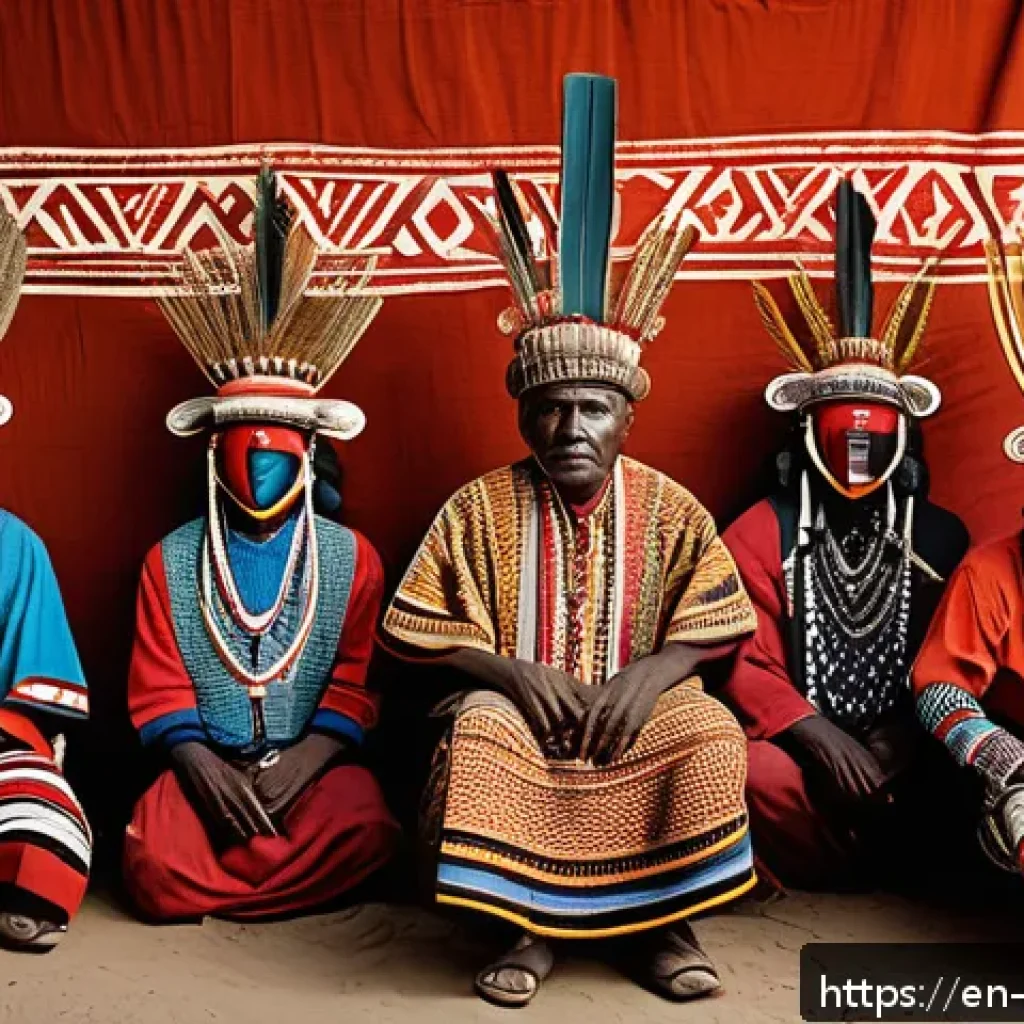
Exploring the vibrant culture of the Senoufo people in Ivory Coast offers a fascinating glimpse into a world where tradition and daily life intertwine seamlessly.
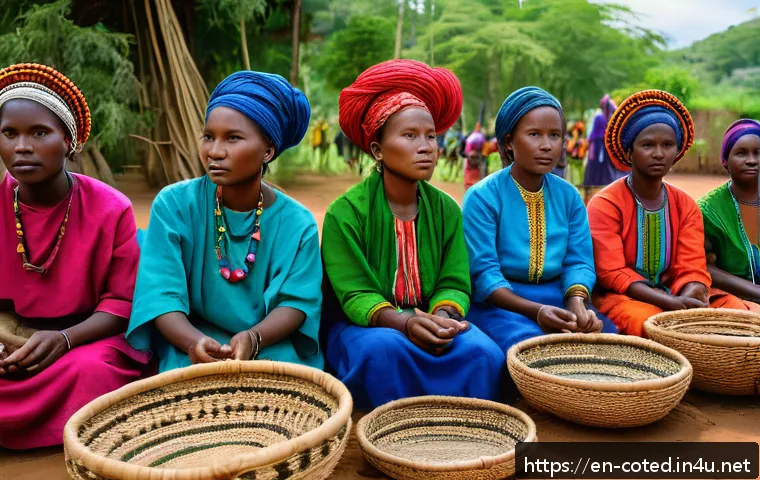
Amid today’s fast-changing global landscape, understanding such rich heritage feels more essential than ever. From their intricate rituals to community gatherings, the Senoufo embody a way of life deeply connected to nature and ancestral wisdom.
Join me as we delve into their unique customs, uncovering stories that reveal resilience and beauty often overlooked. Whether you’re a culture enthusiast or simply curious, this journey promises insights that resonate far beyond borders.
Stay tuned to discover how these timeless traditions continue to shape lives today.
Artistic Expressions Rooted in Spirituality
Mask Traditions and Their Symbolism
The Senoufo people are renowned for their extraordinary mask-making, which serves as a bridge between the physical and spiritual worlds. These masks are not mere decorations; they hold profound spiritual significance, often used in initiation ceremonies, harvest festivals, and funerary rites.
Each mask carries unique features symbolizing various spirits, animals, or ancestral forces. For instance, the Poro society’s masks are crafted with intricate details representing wisdom, protection, and fertility.
When worn during dances, these masks transform the wearer into a messenger between humans and the divine, evoking awe and respect from the community. Witnessing these performances, one can almost feel the pulse of ancestral energy, a living connection to Senoufo heritage.
Sculpture as a Vessel of Memory
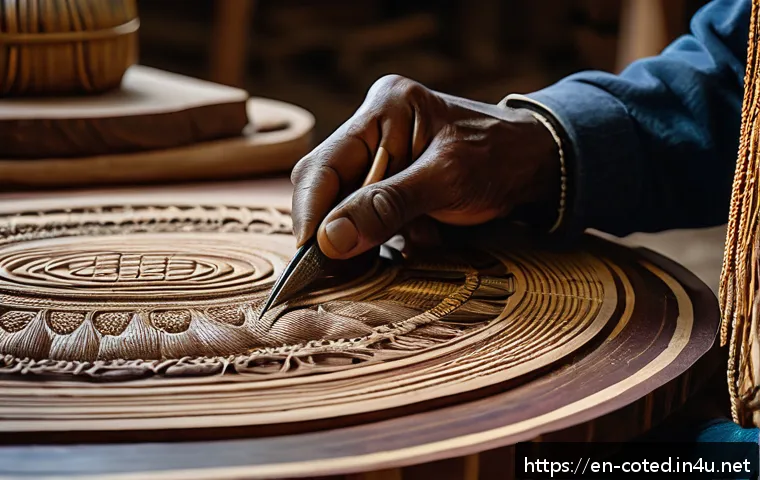
Beyond masks, Senoufo sculptors carve wooden figures that embody ancestral spirits and social values. These sculptures often depict elongated human forms with stylized features, emphasizing harmony and balance.
What’s remarkable is how these pieces are integrated into daily life and rituals, acting as guardians or reminders of communal ethics. I remember visiting a village where elders explained that these sculptures were more than art—they were repositories of collective memory, passed down through generations.
Each carving tells a story, preserving histories that oral tradition alone might not fully capture.
The Role of Textiles in Cultural Identity
Colorful textiles also play a vital role in expressing Senoufo identity. The weaving techniques and patterns are unique, often featuring symbolic motifs reflecting nature, spirituality, and social status.
Wearing these textiles during ceremonies signals belonging and respect for tradition. From my experience, the tactile richness of these fabrics complements the visual vibrancy of masks and sculptures, creating a multi-sensory tapestry of culture that is both beautiful and meaningful.
Community Life and Social Structure
The Poro Society: Guardians of Tradition
Central to Senoufo social life is the Poro society, a secretive male initiation group that governs spiritual and social matters. Membership is a rite of passage, marking the transition from youth to adulthood.
The Poro’s influence extends beyond ritual, shaping conflict resolution, moral education, and even local governance. I found their role fascinating because it blends authority with cultural preservation, ensuring that values and knowledge are handed down responsibly.
Their ceremonies, shrouded in mystery for outsiders, are moments of intense communal bonding and learning.
Women’s Roles and the Sandogo Society
While men dominate the Poro society, Senoufo women have their own powerful institution called the Sandogo society. This group oversees women’s initiation rites, healing practices, and agricultural knowledge, reflecting a complementary balance in social power.
Women’s contributions are pivotal in sustaining community welfare and cultural continuity. During a visit, I witnessed a Sandogo ceremony where women’s songs and dances animated the village square, showcasing their strength and resilience in maintaining tradition amidst modern pressures.
Intergenerational Relationships and Respect
Respect for elders is deeply ingrained in Senoufo culture. Older members are regarded as custodians of wisdom, mediators in disputes, and mentors for youth.
This respect fosters strong intergenerational ties, creating a sense of continuity and belonging. I was struck by how conversations between generations weren’t just casual chats but meaningful exchanges reinforcing identity and values.
This dynamic helps the Senoufo navigate change without losing their cultural roots.
Connection with Nature and Ancestral Beliefs
Animism and the Spirit World
The Senoufo worldview is fundamentally animistic, seeing nature as alive and inhabited by spirits. Trees, rivers, animals, and even rocks possess spiritual essence, deserving reverence and care.
This belief system shapes daily practices, from farming to hunting, where rituals ensure harmony with natural forces. I found that this profound respect for nature contrasts sharply with industrialized perspectives, reminding us of a more integrated way of living on Earth.
Rituals to Honor Ancestors
Honoring ancestors is a cornerstone of Senoufo spirituality. Special ceremonies involve offerings, libations, and dances designed to communicate with forebears, seeking guidance and blessings.
These rituals reinforce community cohesion and continuity. Participating in one such ceremony, I felt an overwhelming sense of connection—not just to the people present but to generations past.
It’s a beautiful reminder that identity extends beyond the present moment.
Farming Practices Guided by Tradition
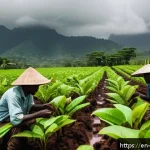
Agriculture is not just an economic activity but a spiritual endeavor for the Senoufo. Planting and harvesting are accompanied by rituals that acknowledge the earth’s generosity and ensure future fertility.
Farmers consult diviners and elders to choose auspicious times for sowing seeds. From what I observed, this harmonious approach to farming nurtures both the land and community well-being, demonstrating a sustainable relationship with the environment.
Music, Dance, and Storytelling as Cultural Pillars
Drumming Rhythms and Their Social Functions
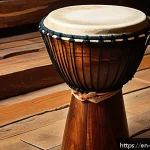
Drumming is the heartbeat of Senoufo celebrations and ceremonies. Different drums and rhythms convey messages, summon spirits, or accompany storytelling.
The skill required to master these instruments is immense, often passed down through families. I recall sitting by a fire listening to drummers whose rhythms seemed to tell stories without words, weaving emotions and history into every beat.
Dance as a Form of Expression and Communication
Dance accompanies nearly every important event, from rites of passage to harvest festivals. Movements are not random but highly symbolic, expressing social roles, spiritual themes, or historical narratives.
Watching a Senoufo dance, I was captivated by the energy and precision, realizing it’s a living language that conveys what words cannot. These performances strengthen social bonds and reaffirm shared identity.
Oral Traditions and Storytelling
Storytelling remains a vital way to transmit knowledge, morals, and history. Elders use proverbs, myths, and fables to teach younger generations. These stories often feature animals and supernatural beings, blending entertainment with education.
I was fortunate to hear tales told under starlit skies, experiencing the power of oral tradition to preserve culture in a rapidly changing world.
Traditional Attire and Symbolic Adornments
Clothing Styles and Their Meanings
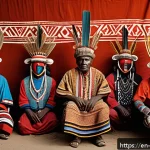
Senoufo clothing is both practical and symbolic, reflecting social status, age, and occasion. Men and women wear garments made from handwoven fabrics decorated with specific patterns or colors that convey messages within the community.
During festivals, these outfits become even more elaborate, signaling respect and celebration. I noticed how the clothes not only protect from the elements but also serve as identity markers.
Jewelry and Body Adornments
Beads, metalwork, and scarification are common forms of adornment among the Senoufo. These items often carry spiritual significance or denote social rank.
For example, certain necklaces are worn only by initiated members of the Poro society. The craftsmanship involved is impressive, and the adornments add a layer of meaning to everyday appearance.
I was intrigued by how personal these adornments are, telling stories about the wearer’s journey and community ties.
Hairstyles as Cultural Statements
Hairstyles among the Senoufo are more than aesthetic choices; they communicate age, marital status, and group affiliation. Intricate braiding and decoration are common, especially during ceremonies.
I found that hair care and styling are communal activities, strengthening social bonds as people come together to prepare for events. These traditions help maintain cultural identity in subtle but powerful ways.
Craftsmanship and Economic Activities
Artisan Skills and Their Economic Impact
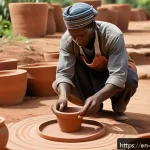
Senoufo artisans are skilled in wood carving, weaving, pottery, and metalwork. These crafts are not only cultural expressions but vital sources of income.
Markets in nearby towns showcase these goods, attracting collectors and tourists. From conversations with local artisans, I learned how craftsmanship sustains families while preserving traditions, creating a delicate balance between heritage and modern livelihood.
Agriculture and Livestock Practices
Farming remains the backbone of the Senoufo economy. They cultivate staples like millet, yams, and maize, often using traditional methods passed down through generations.
Livestock such as cattle and goats also play important roles, symbolizing wealth and social status. Observing daily life, I saw how agriculture is intertwined with ritual and social structure, reinforcing community resilience.
Trade Networks and Cultural Exchange
Historically, the Senoufo engaged in regional trade, exchanging goods like kola nuts, textiles, and crafts. These networks facilitated cultural exchange and economic growth.
Even today, market days serve as social hubs where ideas, news, and goods flow freely. This dynamic interaction helps the Senoufo adapt while maintaining a strong cultural core.
Education and Knowledge Transmission
Initiation Rites as Educational Platforms
Initiation ceremonies are more than rituals; they are comprehensive educational experiences. During these rites, young people learn about their history, social responsibilities, and spiritual beliefs.
The process is immersive, combining storytelling, practical skills, and moral lessons. I found that these rites build a strong foundation for adulthood, fostering a deep sense of identity and purpose.
The Role of Elders as Teachers
Elders hold the responsibility of mentoring youth, imparting wisdom through dialogue and example. Their teachings cover everything from farming techniques to ethical conduct.
In my visits, I noticed how respect for elders encourages attentive listening and active learning, creating an environment where knowledge flows naturally and respectfully.
Challenges and Adaptations in Modern Education
While traditional education remains vital, the Senoufo also face challenges integrating formal schooling. Balancing modern curricula with cultural teachings is an ongoing effort.
Some communities have found innovative ways to blend both, ensuring that young people gain new skills without losing their heritage. This adaptability highlights the Senoufo’s resilience and forward-thinking mindset.
| Aspect | Description | Community Role |
|---|---|---|
| Mask Traditions | Intricate masks used in rituals symbolizing spirits and ancestral forces | Spiritual connection, initiation, community protection |
| Poro Society | Male initiation group overseeing spiritual and social governance | Leadership, education, cultural preservation |
| Sandogo Society | Women’s society managing initiation and healing practices | Women’s empowerment, social welfare |
| Agricultural Rituals | Farming practices guided by spiritual ceremonies | Ensures harmony with nature, community sustenance |
| Oral Storytelling | Transmission of history and morals through tales and proverbs | Cultural education, identity reinforcement |
| Artisan Crafts | Wood carving, weaving, pottery sustaining economy and culture | Economic livelihood, cultural expression |
| Education | Combination of initiation rites and elder mentorship | Knowledge transmission, youth development |
In Conclusion
The Senoufo culture offers a rich tapestry of spiritual, artistic, and social traditions that continue to thrive today. Through their masks, rituals, and community structures, they maintain a deep connection to their ancestors and natural environment. Experiencing their vibrant ceremonies and crafts reveals a profound respect for heritage and identity. This unique blend of tradition and adaptability provides valuable lessons on cultural resilience.
Helpful Information
1. Senoufo masks are not just artistic creations but sacred objects used in important ceremonies to connect with the spiritual world.
2. The Poro and Sandogo societies play essential roles in preserving social order and cultural knowledge among men and women respectively.
3. Agriculture in Senoufo culture is deeply intertwined with spirituality, involving rituals that honor the earth and ensure community well-being.
4. Music, dance, and storytelling serve as vital means of communication and cultural education, strengthening community bonds.
5. Traditional crafts not only express cultural identity but also support local economies, balancing heritage with modern needs.
Key Takeaways
The Senoufo people embody a harmonious blend of spirituality, artistry, and social cohesion. Their cultural practices, from initiation rites to artisan crafts, emphasize respect for nature, ancestors, and community. Understanding these traditions highlights the importance of preserving intangible heritage while adapting to contemporary challenges. This balance ensures that Senoufo identity remains vibrant and meaningful for future generations.
Frequently Asked Questions (FAQ) 📖
Q: uestions about the Senoufo People and Their CultureQ1: What are some distinctive cultural practices of the Senoufo people?
A: The Senoufo are renowned for their vibrant mask dances, which play a crucial role in community ceremonies and rites of passage. These masks, often carved from wood and richly decorated, are believed to embody ancestral spirits and natural forces.
Their rituals emphasize harmony with nature and the spiritual world, reflecting a deep respect for ancestral wisdom. Additionally, their agricultural lifestyle is intertwined with these traditions, as many ceremonies mark planting and harvesting seasons, reinforcing their connection to the land.
Q: How do the Senoufo maintain their traditions in today’s modern world?
A: Despite the rapid changes brought by globalization, the Senoufo have managed to preserve much of their cultural heritage through strong community bonds and oral traditions.
Elders play a vital role in passing down stories, songs, and rituals to younger generations. Many festivals and gatherings continue to be held regularly, serving both as a celebration and an educational platform.
Moreover, some Senoufo artists and craftspeople have adapted their work for broader audiences, blending tradition with contemporary expression, which helps sustain interest and pride in their culture.
Q: Why is it important to learn about the Senoufo culture?
A: Exploring Senoufo culture offers valuable insights into a worldview that balances human life with nature and ancestral respect—concepts often overlooked in today’s fast-paced societies.
Understanding their customs fosters greater cultural appreciation and empathy, which is essential in a diverse global community. For travelers, scholars, or anyone curious about different ways of life, the Senoufo provide inspiring examples of resilience and the power of tradition to nurture identity and social cohesion.
Their stories remind us how cultural heritage enriches our collective human experience.