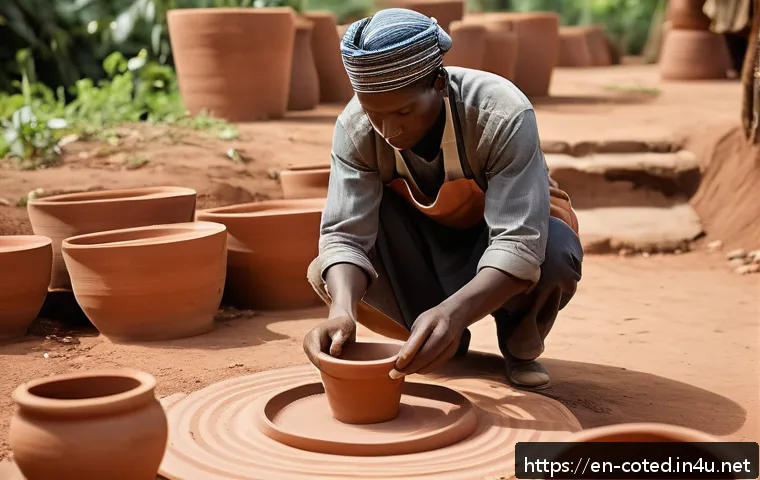
As the world embraces a renewed appreciation for cultural roots and authentic experiences, the vibrant rhythms of Ivory Coast’s djembe drum tradition offer a captivating journey into West African heritage.
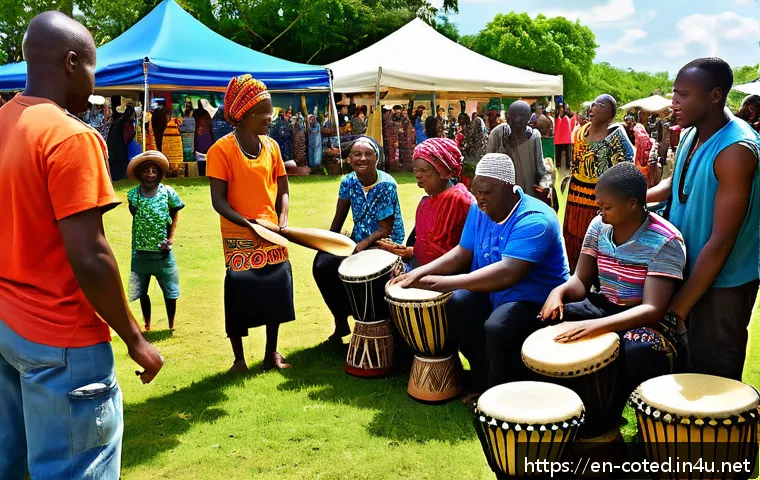
Recently, global music enthusiasts have been drawn to the powerful beats that tell stories of community, celebration, and resilience. Whether you’re a seasoned percussionist or simply curious about diverse musical expressions, exploring the djembe’s rich history reveals more than just sound—it uncovers a heartbeat that unites generations.
Join me as we dive into this dynamic tradition, where every drumbeat resonates with the spirit of Ivory Coast’s past and present. This is more than music; it’s an invitation to feel the pulse of a culture alive and thriving.
The Art of Crafting the Djembe: More Than Just a Drum
The Materials That Shape the Sound
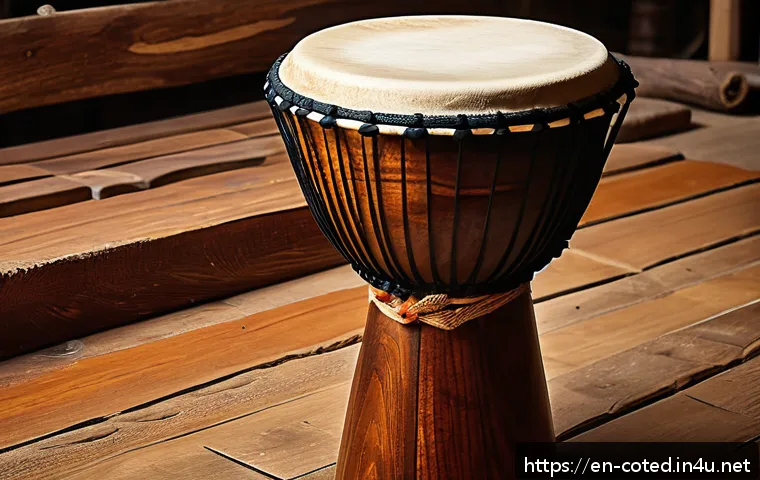
When you first hold a djembe, you immediately notice the natural elements that give it life. Traditionally, the body of the drum is carved from a single piece of hardwood, such as iroko or lenke, which are prized for their density and tonal qualities.
The drumhead is typically made from goat skin, stretched tight to produce that signature sharp, crisp sound. The choice of wood and skin isn’t random; it’s a result of centuries of trial and error, passed down through generations of master craftsmen.
This close relationship between material and music is what makes each djembe unique. I’ve seen drums from the same village sound noticeably different simply because of the wood grain or how the skin was treated.
It’s a hands-on process that demands patience and respect for nature’s gifts.
Techniques Behind the Drum’s Voice
Playing the djembe isn’t just about hitting the drumhead; it’s about coaxing a full range of sounds from the instrument. Skilled players use three primary strokes: bass, tone, and slap.
The bass is a deep, resonant sound achieved by striking the center of the drum. The tone is a clean, melodic note created by hitting the edge with flat fingers, while the slap produces a sharp, high-pitched crack.
I remember attending a workshop where the instructor emphasized how subtle finger positioning and hand tension could drastically change the sound. It was fascinating to experience how much control and nuance this seemingly simple drum can offer, reflecting the depth of the tradition behind it.
Traditional Tools and Modern Adaptations
While the traditional methods remain revered, there’s a growing trend among djembe makers and players to incorporate modern tools and materials. Synthetic skins and metal tuning rings are becoming more common, especially for drums meant to withstand different climates and frequent travel.
However, purists argue that these changes can compromise the drum’s authentic tone and cultural significance. From my experience, the fusion of old and new creates a dynamic tension that keeps the tradition alive yet adaptable.
It’s like watching a language evolve—respecting the roots while embracing innovation.
Community and Ceremony: The Djembe’s Role Beyond Music
A Tool for Storytelling and History
The djembe is not just an instrument; it’s a vessel for oral history and cultural memory. In Ivory Coast communities, it accompanies stories of ancestors, legends, and moral lessons.
Drummers often play during important ceremonies where the rhythm guides the narrative flow, connecting listeners to their heritage in a deeply emotional way.
One evening, I witnessed a griot—a traditional storyteller—using the djembe to punctuate his tales. The drumbeats weren’t merely background sounds but an active participant in the storytelling, signaling shifts in mood and emphasizing key moments.
It’s a powerful reminder of how intertwined music and memory are in this culture.
Marking Life’s Milestones
From births and weddings to funerals and harvest festivals, the djembe plays a central role in marking life’s significant events. The rhythms vary depending on the occasion, each carrying distinct meanings and evoking different emotions.
For example, joyful celebrations feature lively, fast-paced beats that encourage dancing and communal bonding, while more somber events have slower, measured rhythms that invite reflection and respect.
Having attended a traditional wedding ceremony, I was struck by how the djembe united everyone—from elders to children—creating a shared experience that transcended language and age.
Fostering Social Cohesion
In many villages, djembe circles are a common social gathering point. They provide an informal space where people come together to share news, resolve conflicts, and strengthen community bonds.
The act of playing or listening to the drum fosters a sense of belonging and mutual respect. I’ve personally found that participating in these drum circles, even as a beginner, breaks down barriers and builds friendships quickly.
The communal spirit that pulses through every beat is palpable, making the djembe a true instrument of unity.
Rhythmic Language: Understanding the Patterns
The Complexity Behind the Beats
At first glance, djembe rhythms might seem straightforward, but they are incredibly intricate and layered. Many rhythms are polyrhythmic, meaning multiple patterns are played simultaneously, creating a rich tapestry of sound.
This complexity mirrors the social fabric of the communities, where different voices and roles interweave harmoniously. I recall trying to learn one of the traditional rhythms called “Kuku,” which involved coordinating hand and foot movements with precise timing.
It was challenging but rewarding, offering insight into how rhythm can embody cultural values like cooperation and balance.
Common Rhythms and Their Meanings
Different rhythms serve different purposes and carry specific cultural meanings. Here are a few examples:
| Rhythm Name | Occasion | Characteristic Tempo | Cultural Significance |
|---|---|---|---|
| Kuku | Harvest Celebration | Fast and Energetic | Joy, Gratitude, Community Unity |
| Dununba | Warrior’s Dance | Strong, Steady | Strength, Courage, Preparation |
| Soli | Funeral | Slow, Solemn | Respect, Mourning, Reflection |
| Yankadi | Social Gathering | Moderate, Smooth | Welcome, Hospitality, Friendship |
Learning Through Listening and Participation
Mastering these rhythms is less about reading music and more about absorbing patterns through community interaction. Many musicians learn by watching and playing alongside experienced drummers, picking up subtle cues and improvisations.
I found that immersing myself in local drumming sessions accelerated my learning far beyond any formal instruction. This method highlights the djembe’s role as a living tradition—always evolving, always shared.
The Global Influence and Modern Revival of Djembe
From Ivory Coast to the World Stage
Over the last few decades, the djembe has transcended its regional origins to become a symbol of African music worldwide. International festivals, workshops, and collaborations have introduced the drum’s dynamic sound to new audiences, sparking renewed interest in West African culture.
I remember attending a concert where a fusion band blended djembe rhythms with jazz and electronic music, creating a vibrant cross-cultural dialogue. This global embrace has helped preserve the tradition while inspiring innovative musical expressions.
Challenges and Opportunities in Preservation
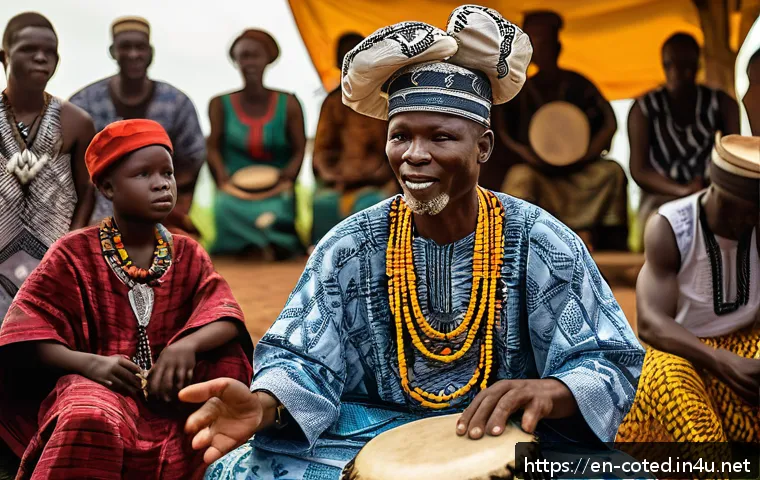
As the djembe gains popularity, there’s an ongoing conversation about cultural appropriation versus appreciation. Authenticity and respect for the drum’s origins are crucial, especially as commercial demand rises.
Some artisans worry that mass-produced drums lack the soul of handcrafted ones, while educators stress the importance of teaching cultural context alongside technique.
From my perspective, the key is balance: honoring the roots while allowing the tradition to flourish in new environments.
Using the Djembe in Contemporary Wellness Practices
Interestingly, the djembe has found a place in modern wellness and therapy settings. Its rhythmic vibrations are used in sound healing, stress relief, and group therapy sessions to promote emotional release and connection.
I tried a drumming circle designed for mindfulness, and the experience was surprisingly grounding. The physical act of drumming combined with communal energy creates a powerful tool for mental and emotional health, demonstrating the drum’s versatility beyond entertainment.
Mastering the Craft: Becoming a Djembe Player
Starting with Basics and Building Technique
For anyone eager to learn, beginning with foundational strokes and rhythms is essential. Many teachers recommend focusing on hand positioning and timing before moving to complex patterns.
I remember my first lessons being humbling but rewarding, as I slowly built muscle memory and confidence. Consistent practice, ideally in a group setting, accelerates progress and deepens appreciation for the drum’s nuances.
Joining Communities and Workshops
The social aspect of learning the djembe cannot be overstated. Workshops, cultural centers, and local drum circles offer invaluable opportunities to connect with experienced players and immerse yourself in the tradition.
I’ve found that these gatherings often lead to friendships and cultural exchanges that enrich the learning process. Plus, playing with others sharpens your listening skills and adaptability, vital traits for any percussionist.
Incorporating the Djembe into Your Musical Journey
Whether you’re a solo performer, part of a band, or simply drumming for joy, the djembe adds a vibrant, expressive voice to any musical setting. Experimenting with fusion styles or traditional repertoires can expand your creativity.
Personally, integrating djembe rhythms into my songwriting opened new avenues for storytelling and emotional expression. The drum’s versatility makes it a rewarding instrument for musicians of all levels.
Economic Impact: The Djembe and Local Livelihoods
Supporting Artisans and Communities
The demand for authentic djembes provides vital income for skilled carvers and drum makers in Ivory Coast and neighboring regions. Many artisans operate small family businesses, relying on this craft to sustain their livelihoods.
When you purchase a handcrafted djembe, you’re directly supporting these communities and preserving traditional skills. I’ve visited workshops where the pride in craftsmanship was palpable, and the artisans shared stories of how their work supports education and local development.
The Role of Tourism and Cultural Exchange
Tourism plays a significant role in promoting the djembe tradition. Visitors often seek authentic experiences, including drumming lessons and cultural performances.
This interaction fosters economic growth but also encourages cultural pride and preservation. I recall a tour where the guide explained how each drum sold was accompanied by a story, deepening visitors’ appreciation and respect.
This kind of meaningful exchange benefits both tourists and host communities.
Challenges in Fair Trade and Quality Assurance
With growing international interest, ensuring fair trade practices and quality standards is challenging. Some markets are flooded with cheap, mass-produced drums that undercut local artisans and dilute the tradition’s value.
Organizations and cooperatives have emerged to certify authentic products and educate buyers. From what I’ve observed, informed consumers who seek transparency and craftsmanship can make a positive impact, encouraging sustainable economic models that honor cultural heritage.
Conclusion
The djembe is much more than a musical instrument; it is a living tradition that connects culture, history, and community through rhythm. Experiencing its craft, sounds, and social role reveals a deep respect for heritage and creativity. Whether handmade or modernized, the djembe continues to inspire and unite people worldwide, carrying timeless stories with every beat.
Helpful Information to Know
1. The djembe’s unique sound comes from carefully selected hardwood and goat skin, each drum bearing its own character based on natural materials.
2. Mastery involves learning three core strokes—bass, tone, and slap—which produce a rich variety of expressive sounds.
3. Traditional rhythms like Kuku and Dununba carry specific cultural meanings, often tied to celebrations, ceremonies, or social functions.
4. Joining local drum circles or workshops is an effective way to deepen your understanding and connect with the djembe community.
5. Purchasing authentic handcrafted djembes supports artisans and helps preserve cultural heritage while fostering sustainable local economies.
Key Takeaways
The djembe embodies a powerful blend of craftsmanship, cultural storytelling, and social bonding. Learning its rhythms requires immersive practice and community engagement rather than just formal instruction. Balancing traditional methods with modern adaptations ensures the drum’s relevance and longevity. Above all, respecting the djembe’s origins and supporting ethical production are essential to preserving its spirit for future generations.
Frequently Asked Questions (FAQ) 📖
Q: What is the cultural significance of the djembe drum in Ivory Coast?
A: The djembe drum holds deep cultural importance in Ivory Coast, serving as a powerful tool for storytelling, communication, and community bonding. Traditionally, its rhythms accompany ceremonies, celebrations, and rites of passage, connecting people across generations.
The drum’s beats are more than just music—they embody the spirit, history, and resilience of West African communities, making it a living symbol of cultural identity.
Q: Can beginners learn to play the djembe, and how should they start?
A: Absolutely! Beginners can definitely learn to play the djembe, and many find it incredibly rewarding. Starting with the basic hand techniques and simple rhythms is key.
It’s best to find a local teacher or online tutorials that focus on traditional West African patterns. Practicing consistently while listening to authentic djembe music helps develop timing and feel.
Remember, it’s not just about technique but also about connecting emotionally with the drum’s rich heritage.
Q: How has the djembe tradition influenced modern music globally?
A: The djembe’s influence on modern music is profound and widespread. Its distinctive rhythms have been incorporated into genres like jazz, pop, and world music, bringing a unique energy and authenticity.
Artists around the world sample or perform djembe beats to add cultural depth and vibrant percussion layers. This fusion not only celebrates West African heritage but also encourages cross-cultural musical innovation, making the djembe a global ambassador of rhythm and storytelling.