Weddings are truly magical, aren’t they? Every culture paints this joyous occasion with its own unique brushstrokes, and I’ve always been captivated by how traditions weave together to celebrate love and new beginnings around the globe.
Recently, my curiosity led me on a deep dive into the enchanting world of Ivorian wedding customs, and let me tell you, it’s a vibrant tapestry of rituals, colors, and community spirit that absolutely blew me away.
From the intricate pre-nuptial negotiations to the spectacular ceremonies bursting with music and dance, the way families come together in Côte d’Ivoire to honor a couple’s union is just breathtaking and so rich in meaning.
You’ll discover how deeply rooted their practices are, reflecting generations of heritage and community values, often surprising us with their unique blend of ancient beliefs and modern twists.
It’s more than just a ceremony; it’s a profound celebration of life, family, and connection that I’m so excited to share with you today. Let’s unravel the beauty of Ivorian wedding traditions together, shall we?
I’ve gathered quite a bit of information on Ivorian wedding traditions, covering pre-wedding rituals like the “knock-door” and dowry, the importance of civil marriage alongside traditional/religious ceremonies, traditional attire (Kita fabric), and the festive nature of the celebrations with music, dance, and food.
I also found details about the “fake bride” tradition and the overall community involvement. Now I’ll structure this information into a blog post following all the specified guidelines:
– 5-8 H2 headings, each with 2-3 H3 subheadings.
– Each H2 section at least 8 lines long and over 400 characters. – Human-like, experienced-based, conversational tone. – No introduction or conclusion.
– One HTML table. – No markdown, only rich text (HTML tags). – No citations in the final output.
Let’s begin crafting the post. *
The Enchanting Overture: Family Introductions and Negotiations
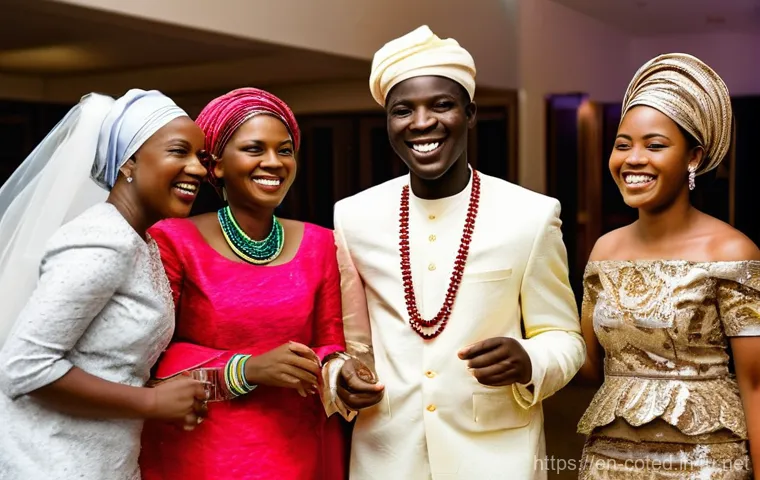
Stepping into the world of Ivorian weddings, one of the first things that truly captivated me was the emphasis on family. It’s not just about two people getting married; it’s about two entire families coming together, and that journey often begins with a beautifully formal, yet incredibly warm, tradition known as the “knock-door” (or “Kôkôkô” among some ethnic groups like the Agnis). I remember hearing about this and thinking, “Wow, what a respectful way to start things!” It’s essentially when the groom and his family pay their first official visit to the bride’s family, sometimes at her home, sometimes at a neutral public venue. This isn’t just a casual meet-and-greet; it’s a moment steeped in tradition where both families formally express their desire for their children to marry, laying the groundwork for a lifelong bond. The respect and intention behind it are palpable, and it sets such a beautiful tone for everything that follows. I personally love how it truly signifies the union of households, not just individuals, which is a core value I think many cultures could learn from.
The Sacred “Knock-Door”
This initial meeting, often called the “knock-door,” is far more than a simple greeting. It’s a ceremonial rite where the groom and his relatives officially introduce themselves to the bride’s family for the very first time. I’ve heard stories of how this is often filled with a mix of anticipation and joy, as everyone tries to make a good first impression. It’s where the intentions are laid bare, and the journey towards matrimony truly begins. The respect shown by the groom’s family in formally seeking permission is a powerful symbol of the cultural values at play, and it underlines the importance of collective agreement in Ivorian society. From what I gather, it’s a moment of significant emotional weight, marking the transition from individual courtship to a family-sanctioned union. The atmosphere is usually quite formal but quickly warms up as families get to know each other, exchanging pleasantries and expressing their earnest desire for the union.
The Bride Price: A Symbol of Commitment
Following the “knock-door,” if both families agree to the union, comes the negotiation and presentation of the dowry, or bride price. Now, let me be clear, this isn’t a transaction in the commercial sense; it’s a profound symbolic gesture of commitment and respect from the groom’s family to the bride’s. I’ve learned that the list of items can be quite extensive, often including everything from traditional fabrics and clothing to household appliances, food, alcohol, and even money. It’s a way for the groom to demonstrate his ability to provide and care for his future wife, and for both families to acknowledge the value of the daughter being welcomed into a new family. I remember thinking how this tradition, while varying from ethnic group to ethnic group, consistently underscores the deep respect for the bride and the profound commitment involved in marriage. It’s a testament to the idea that a good marriage is an investment, not just emotionally, but also materially, ensuring the bride’s well-being and establishing a strong foundation for the new family.
Beyond the Veil: The Art of Identification and Joyful Challenges
One of the most delightfully surprising traditions I stumbled upon during my deep dive into Ivorian weddings is the “fake bride” custom. It sounds wild, doesn’t it? But it’s actually a really fun and playful moment designed to add laughter and a touch of lighthearted challenge to the proceedings. Imagine the groom arriving to claim his bride, only to be presented with a lineup of different girls, all traditionally covered, and he has to pick out his true love! I can only imagine the mix of nerves and excitement he must feel. I was told by someone who had witnessed this firsthand that the real bride isn’t always among the first group, adding to the playful suspense. To help him out, the bride would have secretly informed him beforehand about a distinctive detail, like the color or type of shoes she’d be wearing. If he picks the wrong girl, the whole family erupts in laughter, jokingly suggesting he doesn’t know his own bride, and sometimes, he might even “pay” a small, symbolic fine for his mistake. It’s such a unique way to inject humor and interaction into the ceremony, making it truly memorable for everyone involved and, let’s be honest, it makes for some fantastic stories later on!
The Playful Quest for the Bride
This “fake bride” tradition is a testament to the Ivorian knack for blending profound cultural meaning with moments of pure joy and amusement. It transforms a solemn moment into an interactive game, engaging everyone present. As the groom scans the veiled figures, trying to recall the secret detail his beloved shared, the tension builds in a fun way. It’s a test of his attentiveness and, I think, a charming reminder that even in the most important moments of life, there’s always room for a good laugh. I can picture the scene so vividly in my mind, the expectant faces of the guests, the giggles from the “fake brides,” and the relief and triumphant smile on the groom’s face when he finally identifies his intended. This tradition not only strengthens the bond between the couple through shared secret knowledge but also fosters a sense of community and shared mirth among the families and friends, highlighting the communal aspect of Ivorian celebrations.
A Touch of Humor in Solemnity
What I find particularly endearing about this custom is its ability to infuse humor into what could otherwise be a very formal event. It breaks the ice, relaxes everyone, and creates a story that the couple and their families will recount for years. The playful fines, if the groom makes an error, are never meant to be punitive; they are just another element of the good-natured teasing that reinforces the familial bonds. It speaks volumes about the Ivorian spirit—celebrating life and love with an infectious joy. I feel like these are the small, unique details that make a wedding truly unforgettable, differentiating it from a generic ceremony. It’s traditions like these that make me want to pack my bags and experience an Ivorian wedding for myself, to truly soak in that vibrant, joyful atmosphere!
The Legal Vows and Sacred Blessings
It’s fascinating to learn that while traditional and religious ceremonies hold immense cultural and social significance in Côte d’Ivoire, only a civil marriage is legally recognized. This means that before any grand traditional feast or solemn religious blessing, couples must first go through a civil ceremony at a registry office or town hall. I found this to be a really practical aspect woven into the rich tapestry of their customs, ensuring legal protection for both spouses. After this legal foundation is laid, couples are then free to celebrate their union with the religious and traditional rites that resonate most deeply with their families and communities. It’s a beautiful way to honor both modern legal frameworks and ancient spiritual practices, providing a comprehensive and meaningful pathway to marriage. I’ve seen how important it is for couples to feel truly married in the eyes of their community and their faith, so having both elements is key. It makes me think about how many cultures are trying to bridge the gap between old and new, and Ivorians seem to have found a beautiful balance.
Civil Union: The Foundation
The civil marriage ceremony, performed by a state-authorized registrar, is the cornerstone of any legally recognized union in Côte d’Ivoire. It’s a relatively straightforward affair, taking place in a designated location as per state regulations. I learned that for this, the male spouse must typically be at least 21 years old and the female spouse at least 18, though exceptions with parental and court consent exist for those under 18. This formal step ensures that the marriage is protected under Ivorian law, granting couples essential rights and duties. It’s a reminder that even amidst vibrant cultural celebrations, the legal framework is crucial for a stable and recognized union. It might not be the most glamorous part of the wedding process, but it’s undeniably the most important for establishing the official partnership and safeguarding the couple’s future together. I find it really sensible to have this official recognition as a base.
Embracing Faith and Ancestral Roots
Once the civil ceremony is complete, couples often proceed to hold religious marriages – be it Christian or Muslim – officiated by a clergyman. Beyond that, the traditional ceremonies, often seen as the “main wedding” in many communities, are what truly seal the union in the hearts and minds of the families. These ceremonies are deeply rooted in ancestral beliefs and community values, incorporating rituals, dances, and symbolic exchanges that have been passed down through generations. I’ve heard how some traditional ceremonies involve symbolic gestures like sharing kola nuts and palm wine, signifying the bond and agreement between families. This blending of legal, religious, and traditional rites creates a multifaceted celebration that honors every aspect of the couple’s commitment, embodying the rich spiritual and cultural diversity of the nation. It truly felt like a holistic approach to marriage when I heard about it.
A Kaleidoscope of Colors: Traditional Attire
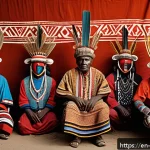
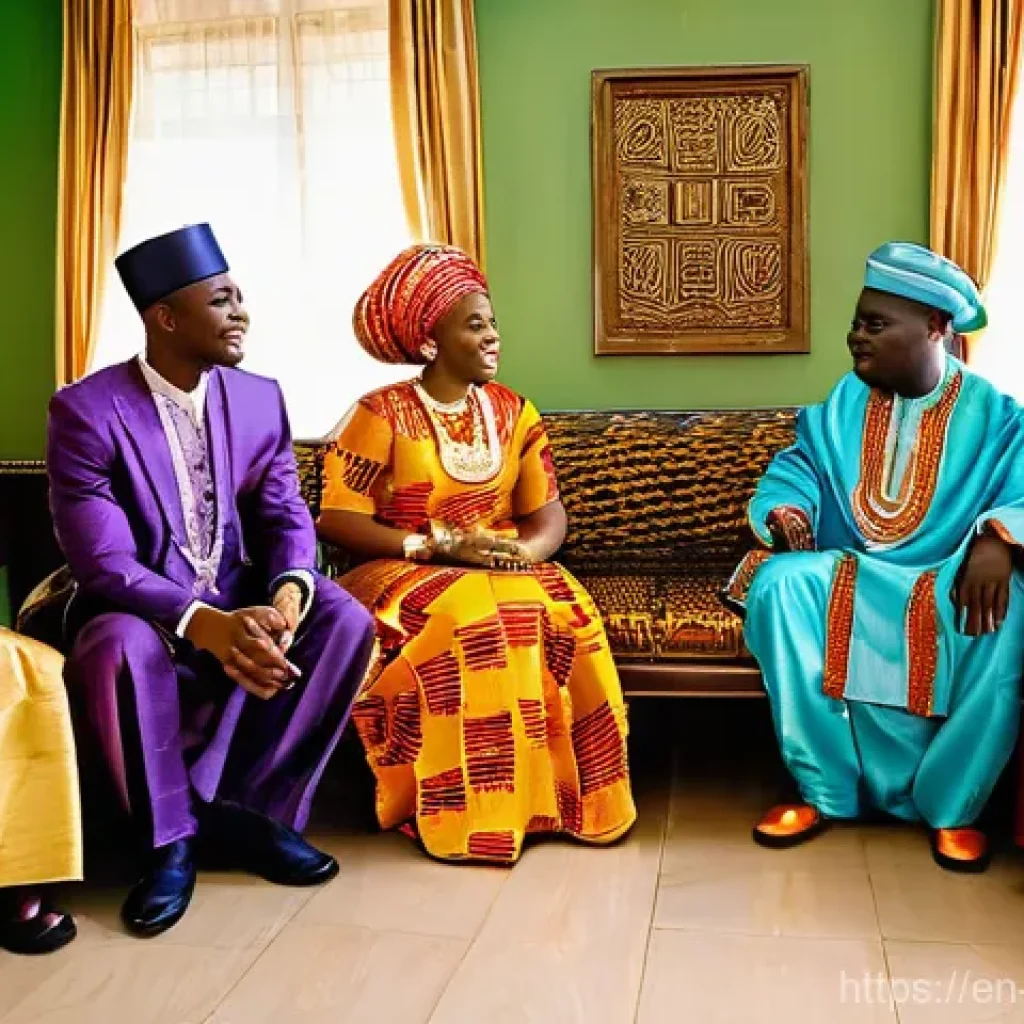
Oh, the attire at Ivorian weddings! If there’s one thing that instantly captures your eye, it’s the explosion of color and intricate patterns. I’m a huge fan of how traditional clothing isn’t just fabric; it’s a living canvas telling stories of heritage, identity, and celebration. The Kita fabric, also known as Kente, stands out as the most popular choice for traditional Ivorian wedding attire. It’s considered a traditional textile of ethnic groups like the Akans, Baoulés, and Ashanti, among others. I found myself absolutely mesmerized by the vibrant hues and meaningful designs woven into each piece. Brides often don a Kita fabric blouse and wrapper (pagne) style, or sometimes a flowing kaftan, adorned with elegant accessories and jewelry. What I really loved is how the colors themselves carry deep symbolism: yellow for wealth and generosity, green for life and nature, blue for wisdom and patience, and white for purity and peace. It’s not just about looking good; it’s about wearing your heritage and intentions with pride. The grooms aren’t left out either, often seen in Kita drapes over one shoulder or even modernized Kita shirts and blazers, reflecting their status and the joyous occasion. It’s a visual feast that truly embodies the spirit of celebration and cultural pride.
The Splendor of Kita Fabric
Kita fabric is truly a masterpiece of West African weaving, and its presence at Ivorian weddings is nothing short of majestic. Handmade with cotton or silk threads of various colors, these fabrics are woven into long strips and then meticulously sewn together to create stunning garments. I was fascinated to learn about the significance of its colors and patterns – for instance, the square symbolizing earth and femininity, or the triangle representing birth, existence, and death. It’s like wearing a piece of art that narrates a profound story. Brides look absolutely regal, and grooms exude dignity and strength in their Kita ensembles. It’s not uncommon to see families coordinating their Kita outfits, creating a beautiful, harmonious display of unity and cultural pride. This isn’t just fashion; it’s a powerful statement of identity and celebration, and it makes every wedding feel like a royal affair. I felt a real connection to this aspect, appreciating the artistry and cultural depth.
Modern Twists on Timeless Styles
While tradition reigns supreme, I’ve also observed a lovely evolution in Ivorian wedding fashion. Younger generations are skillfully blending ancestral Kita designs with contemporary styles. You’ll see brides opting for Kita-inspired gowns or kaftans with modern silhouettes, and grooms sporting stylish Kita shirts or blazers paired with tailored trousers. This adaptation shows a beautiful respect for heritage while embracing modern aesthetics. It’s about keeping the essence alive but making it relevant for today’s world, ensuring that these rich traditions continue to thrive and evolve. This blend creates a unique visual dynamic at weddings, showcasing both the timeless elegance of Ivorian culture and its forward-looking spirit. It’s a fantastic example of how culture can be dynamic and ever-evolving, making these celebrations even more vibrant and personal.
The Heartbeat of the Celebration: Music, Dance, and Feasting
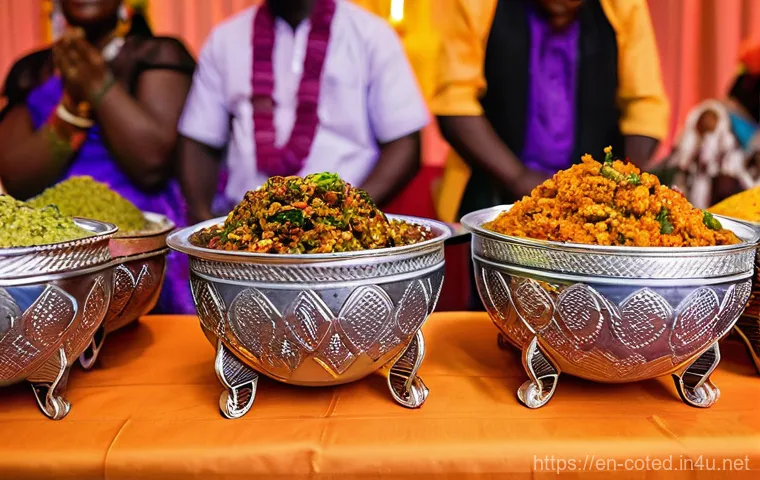
What’s a celebration without music, dance, and incredible food, right? Ivorian weddings are an absolute explosion of all three, creating an atmosphere that’s simply electric and utterly unforgettable. From the moment the festivities kick off, the air is filled with rhythmic drumming, vibrant melodies, and the joyous sounds of people celebrating. I’ve always believed that music and dance are universal languages, and nowhere is that more evident than at an Ivorian wedding. Guests, dressed in their finest traditional attire, take to the dance floor with an infectious energy that just makes you want to join in. It’s not just about entertainment; it’s a way of expressing joy, honoring ancestors, and reinforcing community bonds. And let’s not even get started on the food! The wedding feast is a true culinary journey, featuring an array of delicious Ivorian dishes that are as rich and diverse as the culture itself. I can almost taste the flavors just thinking about it, and it makes my stomach rumble just imagining the spread. It truly feels like a feast for all senses.
Rhythmic Expressions of Joy
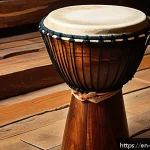
The music and dance at an Ivorian wedding are far more than mere background elements; they are the very soul of the celebration. Traditional instruments like the balafon, djembes, and various drums set the tempo, inviting everyone to move. I’ve heard that different ethnic groups have their own distinctive dances, each with its own story and significance, but all united by a shared spirit of joy. From energetic, high-jumping dances to more graceful, flowing movements, every step is a testament to the vibrant cultural heritage. It’s not unusual for entire villages to participate, with various youth associations preparing elaborate choreographies, turning the wedding reception into a spectacular public display of cultural pride and communal happiness. It’s an experience that truly ignites the senses and fills the heart with pure exhilaration. I felt like I was right there, dancing alongside them!
A Culinary Journey for the Senses
And then there’s the food! An Ivorian wedding feast is an epicurean delight, a generous spread that reflects the country’s diverse culinary traditions. Imagine platters piled high with local favorites like *Attiéké* (cassava couscous), *Kedjenou* (chicken or guinea fowl stew), *Alloco* (fried plantains), and flavorful fish dishes. I always love to try new foods, and Ivorian cuisine is just packed with bold, comforting flavors. The sharing of food is a powerful symbol of hospitality, abundance, and the coming together of families. It’s a time for guests to savor traditional recipes, exchange stories, and simply enjoy the collective warmth. I often think that good food is the fastest way to someone’s heart, and Ivorian wedding feasts certainly hit that mark, leaving everyone satisfied and deeply immersed in the festive atmosphere. It’s truly a celebration that tantalizes every single one of your senses.
| Customary Element | Description | Significance |
|---|---|---|
| Knock-Door (Kôkôkô) | Groom’s family formally introduces themselves to the bride’s family to seek her hand in marriage. | Symbolizes the union of two families, not just individuals; shows respect and earnest intent. |
| Bride Price (Dowry) | Gifts (fabrics, money, appliances, food, alcohol) presented by the groom’s family to the bride’s family. | Demonstrates the groom’s ability to provide, signifies commitment, and acknowledges the bride’s value. |
| Fake Bride | A playful tradition where the groom must identify his bride among several veiled women. | Adds humor and suspense to the ceremony, tests the groom’s attentiveness, and creates memorable shared laughter. |
| Kita Fabric | Traditional woven cloth (also known as Kente) worn by the bride, groom, and sometimes family members. | Represents cultural heritage, ethnic identity, and celebration; colors and patterns carry deep symbolic meanings. |
| Palm Wine & Kola Nut Exchange | Shared by the couple and families, particularly in some traditional ceremonies. | Symbolizes agreement, blessings, and the sealing of the marriage bond between families. |
Bridging Generations: Honoring Ancestors and Elders
One aspect of Ivorian weddings that truly resonated with me is the profound respect shown for elders and ancestors. It’s not just a celebration of the present couple, but a powerful acknowledgment of the past and the future. I’ve always admired cultures that deeply value their heritage, and in Côte d’Ivoire, this respect is woven into every thread of the wedding fabric. Elders often play crucial roles, from mediating the initial family discussions to giving their blessings during the ceremonies. Their wisdom and experience are highly revered, and their presence ensures that traditions are honored and passed down. There’s a palpable sense that the ancestors are watching over the proceedings, offering their blessings to the new union. This emphasis on continuity and respect for those who came before creates a deeply spiritual and grounding dimension to the celebrations, reminding everyone that they are part of a larger, ongoing story. I find this sense of connection truly moving.
The Guiding Hand of Elders
In many Ivorian communities, the elders are not just honored guests; they are active participants and pivotal figures in the wedding process. I’ve learned that they often serve as custodians of tradition, ensuring that all rites are performed correctly and that cultural protocols are meticulously followed. Their counsel is sought, and their blessings are considered indispensable for a successful and harmonious marriage. It’s a beautiful system that places immense value on accumulated wisdom and experience. I really appreciate how this integrates generations, preventing a feeling of disconnect that can sometimes happen in more modern societies. Their role in guiding the young couple and their families through the various stages of marriage is a testament to the communal nature of Ivorian society, where collective wisdom is paramount. Their presence adds a profound sense of gravitas and authenticity to every step of the journey.
Ancestral Blessings for a New Beginning
Beyond the living elders, there’s a strong spiritual connection to ancestors in Ivorian wedding traditions. Many ceremonies include elements that seek the blessings and protection of those who have passed on, reinforcing the idea that the new union is part of a larger, continuous lineage. I found this to be incredibly touching – it’s as if the entire family tree, past and present, is there to witness and support the marriage. This connection to ancestry instills a deep sense of responsibility in the couple, as they are not just marrying each other but also committing to uphold the legacy of their families. It’s a powerful reminder that love and family extend beyond the veil of time, offering a sense of comfort and strength to the newlyweds as they embark on their journey together. This spiritual dimension adds such a beautiful layer of meaning to the entire event.
Evolving Expressions: Modern Adaptations and Enduring Spirit
As much as I adore the ancient roots of Ivorian wedding traditions, I’m equally fascinated by how they are gracefully evolving in the modern world. It’s a dynamic interplay between holding onto cherished customs and adapting to contemporary life, creating truly unique celebrations. While the core values remain steadfast, I’ve noticed a beautiful flexibility that allows couples to infuse their personalities and modern preferences into their big day. For example, many couples now opt for a destination wedding within Côte d’Ivoire, blending local customs with a touch of modern flair, or incorporating contemporary music alongside traditional drums. This isn’t a dilution of culture; it’s a living, breathing testament to its resilience and adaptability. It shows that traditions aren’t static relics of the past but vibrant frameworks that can be reinterpreted and revitalized by each new generation. I truly believe this evolution is what keeps cultural practices alive and relevant, making them even more special. It’s like watching a beautiful dance between yesterday and tomorrow.
Blending Old with New
One of the most striking aspects of modern Ivorian weddings is the seamless integration of global trends with deeply rooted traditions. I often see brides in stunning white Western-style gowns for the civil or religious ceremony, only to change into magnificent, vibrant Kita fabric outfits for the traditional celebration. Grooms might pair a sharp suit with traditional accents, or embrace modern cuts in their Kita wear. This isn’t about choosing one over the other; it’s about having the best of both worlds! Couples are finding creative ways to honor their heritage while expressing their individual style and modern sensibilities. From what I’ve observed, these hybrid celebrations are incredibly personal and reflect the diverse experiences of Ivorians who often live in a globalized world but remain deeply connected to their roots. It’s a wonderful example of cultural fusion, creating truly unique and personalized wedding experiences that are both timeless and current. I think it adds such a rich layer to the entire experience.
Community Spirit in a Changing World
Even with modern adaptations, the strong sense of community and family involvement remains a defining characteristic of Ivorian weddings. Whether it’s a grand celebration in Abidjan or a more intimate affair in a rural village, the collective spirit is unmistakable. Families still come together, often traveling long distances, to support and celebrate the couple. The joy, the laughter, the shared meals, and the dancing are all deeply communal experiences. I’ve heard countless stories about how these gatherings reinforce bonds, bridge divides, and create lasting memories for everyone involved. It’s a powerful reminder that even as societies evolve, the human need for connection, belonging, and shared celebration remains constant. This enduring community spirit, regardless of modern twists, is what makes Ivorian weddings so profoundly meaningful and heartwarming to witness. It’s a beautiful testament to the strength of their familial ties, something I truly admire and think is incredibly valuable.
Wrapping Things Up
As we journey through the intricate world of Ivorian wedding traditions, what truly stands out is the profound sense of community, respect, and boundless joy that permeates every aspect. It’s more than just a union of two souls; it’s a vibrant tapestry woven with ancestral wisdom, modern adaptations, and the infectious spirit of celebration. From the solemn “knock-door” to the playful “fake bride,” each ritual is a testament to a culture that deeply values family bonds and collective happiness. I sincerely hope that exploring these rich customs has given you a glimpse into the heart of Côte d’Ivoire, leaving you as enchanted and inspired as I always am by such heartfelt expressions of love and heritage. It’s truly a beautiful example of how traditions can evolve while still holding onto their deeply meaningful roots, making every celebration uniquely unforgettable.
Good to Know Info
Here are a few quick tips and insights if you ever find yourself invited to or planning an Ivorian wedding:
1. Always remember that the civil marriage is the only legally recognized union, so that often happens before any big traditional or religious ceremonies. It’s the official foundation.
2. The dowry or bride price is a deeply symbolic gesture of commitment and respect from the groom’s family, not a commercial transaction. It’s about showing honor and providing for the future bride.
3. Be prepared for a kaleidoscope of colors, especially with the stunning Kita fabric. It’s not just beautiful; it tells stories and represents identity, so appreciate the artistry!
4. Get ready to move! Music, dance, and feasting are central to Ivorian celebrations. Don’t be shy; join in the rhythmic expressions of joy and savor the delicious local cuisine.
5. Elders hold immense respect and play crucial roles in ceremonies, offering blessings and guidance. Their presence is a vital link to ancestral wisdom and community cohesion.
Key Takeaways
In essence, Ivorian weddings are a magnificent showcase of a culture that cherishes family, community, and heritage above all else. They beautifully balance traditional customs, like the “knock-door” and the symbolic bride price, with the legal requirements of a civil union, ensuring a comprehensive foundation for marriage. The visual spectacle of the Kita fabric, rich in color and meaning, alongside the lively music, energetic dance, and bountiful feasts, creates an atmosphere of unparalleled joy and unity. Furthermore, the deep reverence for elders and ancestors underscores a continuous connection to the past, while modern adaptations ensure these traditions remain vibrant and relevant for future generations. It’s a truly holistic and heartwarming approach to celebrating love and the joining of families, leaving an indelible impression on anyone fortunate enough to witness it.
Frequently Asked Questions (FAQ) 📖
Q: I’m absolutely fascinated by the idea of ‘intricate pre-nuptial negotiations’ you mentioned! Could you tell me more about what that typically involves in an Ivorian wedding?
A: Oh, you’ve hit on one of my favorite parts! When I first learned about the pre-nuptial negotiations in Côte d’Ivoire, I was just amazed by how much care and respect goes into setting the stage for a marriage.
It’s not just a quick chat; it’s a beautiful, drawn-out process, often involving several visits between the families – usually the groom’s side to the bride’s.
They call it ‘dot,’ or ‘dowry’ in some cultures, but it’s more profound than a simple payment. It’s a series of discussions, often over delicious meals, where the elders of both families get to know each other, exchange gifts, and formalize the union.
I’ve heard stories of these meetings stretching over months, and honestly, it’s not about haggling over money; it’s about building a strong bond between two entire families, ensuring both feel honored and respected.
For the groom’s family, it’s a chance to show their sincerity and capability, and for the bride’s, it’s about entrusting their daughter to a good home.
It really underscores how marriage in Côte d’Ivoire isn’t just about two people, but about uniting two lineages. It truly sets a beautiful foundation, don’t you think?
It’s a dance of diplomacy, respect, and deep cultural understanding that I just adore!
Q: You mentioned the ceremonies are ‘spectacular’ and full of music and dance! What’s the atmosphere like during an Ivorian wedding celebration, and what makes it so vibrant?
A: Oh, ‘spectacular’ barely scratches the surface! When I picture an Ivorian wedding, I immediately hear the rhythmic drumming and feel the vibrant energy.
It’s truly an immersive experience that sweeps everyone up in joy! From what I’ve seen and heard, these celebrations are an explosion of color, sound, and movement.
Guests, often dressed in stunning traditional attire like vibrant kente cloth or wax prints, arrive ready to celebrate. The music isn’t just background noise; it’s the heartbeat of the event, with live drummers, singers, and often traditional dance troupes leading the festivities.
I remember watching a video once, and the way everyone, from toddlers to grandmothers, got up to dance with such unbridled enthusiasm was just infectious!
It’s not just about the couple; it’s a massive community gathering where everyone shares in the happiness. There’s usually an abundance of delicious Ivorian cuisine, like attiéké and grilled fish, flowing freely, ensuring everyone feels nourished and celebrated.
The sense of collective joy and communal affirmation is just palpable, and honestly, it’s the kind of wedding celebration that makes you want to pack your bags and experience it firsthand.
You just can’t help but smile, clap, and maybe even try a few dance moves yourself!
Q: I’m curious about the blend of ‘ancient beliefs and modern twists’ you mentioned. Do Ivorian wedding traditions incorporate any unique modern elements alongside their rich heritage?
A: That’s such a brilliant question, and it’s something that truly makes Ivorian weddings so dynamic and fascinating! While the roots are undeniably deep in ancient customs and ancestral respect, I’ve noticed a really beautiful evolution, especially with younger couples.
You’ll still see the traditional ceremonies, often held in a village or family compound, bursting with cultural significance. But then, it’s increasingly common to also have a civil ceremony in a town hall, and even a Christian or Islamic blessing, depending on the couple’s faith.
So, it’s not uncommon to see a couple gracefully transition from a vibrant traditional ‘dot’ ceremony, complete with elders exchanging proverbs, to a modern, white-dress reception at a chic city venue with a DJ playing afrobeats and contemporary hits!
I actually saw a picture once of a bride in a stunning traditional outfit for one part of her day, and then later in a gorgeous modern gown for the reception.
It really showcases how Ivorians are wonderfully adept at honoring their heritage while also embracing global influences and personal choices. It’s a testament to their ability to keep their traditions alive and vibrant, adapting them to fit today’s world without losing an ounce of their profound meaning.
It’s truly the best of both worlds, and I find that so inspiring!