Dreaming of an adventure in West Africa? Imagine sipping a refreshing bissap juice under the Ivorian sun, exploring bustling markets, or simply soaking in the vibrant energy of a place like Abidjan.
It sounds absolutely magical, doesn’t it? But before you pack your bags and book that flight, a common question pops into everyone’s mind: “How much will this incredible experience actually cost me?” Trust me, I’ve been there, staring at my budget spreadsheet and wondering if my dream destination was truly within reach.
Navigating daily expenses, from housing to delicious street food, can feel a bit daunting in a new country, especially when trying to balance exploration with smart spending.
But don’t worry, my friend, you’re in the right place to get a clear picture. Let’s accurately find out exactly what a month in Côte d’Ivoire might look like for your wallet.
Finding Your Home Away From Home: Accommodation Options
The Apartment Hunt: Expat vs. Local Living
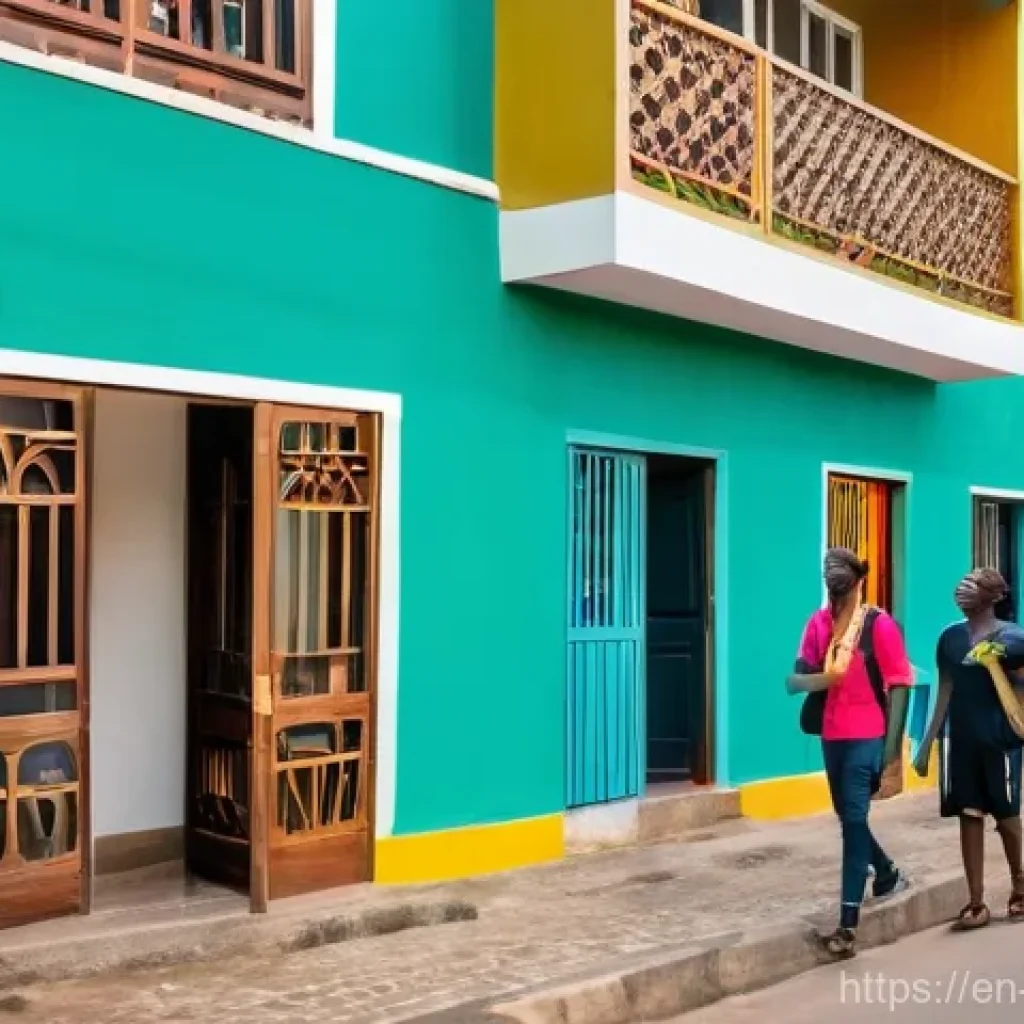
Let’s be real, where you lay your head at night is probably the biggest chunk of your monthly budget, and Côte d’Ivoire is no exception. Abidjan, as the bustling economic hub, definitely has higher rental costs compared to smaller cities like Yamoussoukro or San-Pédro.
When I first started looking, I was a bit overwhelmed by the variety, from sleek modern apartments in upscale neighborhoods to more traditional houses.
If you’re eyeing areas like Cocody or Riviera, known for their beautiful residences and expat communities, be prepared for prices to be on the higher side.
We’re talking anywhere from $1,000 to $3,000 or more per month for a family house or villa in a prime spot. A one-bedroom apartment in these desirable areas could set you back around $400-$800, while a two-bedroom might be $600-$1,200.
I remember one time, I found a charming little place in Marcory that was a fantastic deal – it just goes to show that if you dig a little and are open to different neighborhoods, you can often find something wonderful that fits your budget.
It’s all about balancing convenience with what your wallet can comfortably handle. The key is to decide what amenities are non-negotiable for you and which ones you can compromise on to truly experience local life.
Short-Term Stays and Budget-Friendly Beds
If you’re not ready to commit to a long-term lease, or perhaps you’re just dipping your toes into the Ivorian experience, short-term rentals and guesthouses are a fantastic option.
I’ve personally found some gems that offer great value. Vacation rentals in Abidjan average around $40 per night, with some places going as low as $26.
For the true budget traveler, hostels and guesthouses can be a lifesaver, costing between $10 and $20 per night, providing all the necessities without breaking the bank.
Moving up a notch, budget hotels usually range from $25 to $50 a night, often including air conditioning which, trust me, is a welcome luxury in the tropical climate!
For those seeking a bit more comfort, a 3-star hotel might cost $50-$100 per night, while luxury options can easily run you $150 to $500 or more. I always suggest checking out various platforms and even asking locals for recommendations – sometimes the best deals are found through word-of-mouth in the community.
Savoring the Flavors: Food and Dining Delights
Eating Like a Local: Markets and Street Food
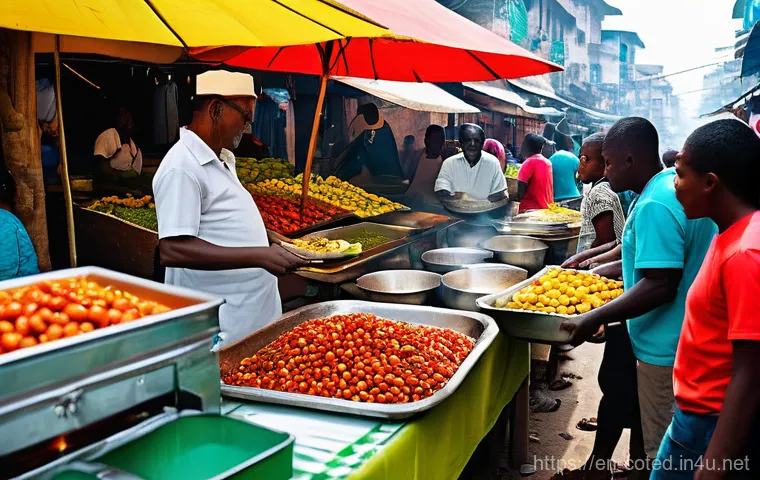
Oh, the food in Côte d’Ivoire! This is where your budget can truly shine if you embrace the local culinary scene. Forget expensive imported groceries; the real magic happens at the local markets.
For basic groceries, you might spend roughly 112,000 to 168,000 XOF ($200-$300 USD) a month for one person if you’re cooking most of your meals. I absolutely adore wandering through markets like Gouro, soaking in the vibrant atmosphere, and picking up fresh produce.
However, it’s worth noting that prices for staples like tomatoes or onions can fluctuate quite a bit due to seasonal availability and sometimes inflation.
One day, a kilo of tomatoes might be 500 CFA, and the next it could be 800 CFA or even 2,000 CFA. This is where my “always be flexible” budgeting mantra comes in handy!
Street food is your best friend for delicious and affordable meals. A plate of attiéké with grilled fish (poisson braisé) or some savory alloco (fried plantains) can be incredibly satisfying and incredibly cheap, often just a few hundred to a couple of thousand CFA.
It’s an experience for the senses and your wallet!
Restaurant Revelations: From Casual to Chic
While I’m a huge advocate for local market finds, sometimes you just want to sit down and be served. Dining out in Abidjan offers a range of experiences.
An inexpensive restaurant will typically charge around 2,000 CFA for a meal, which is fantastic value. If you’re planning a nice dinner for two at a mid-range restaurant, expect to pay anywhere from 30,000 CFA to 40,662.50 CFA for a three-course meal.
Côte d’Ivoire has seen a rise in dining out expenses, even ranking 4th in Africa for this in 2025, which shows how much the restaurant scene is growing.
I’ve found that even in mid-range places, you can often find a blend of Ivorian and international dishes that are absolutely mouth-watering. It’s a great way to treat yourself without completely derailing your budget, especially if you balance it with cooking at home and enjoying street food.
Navigating the City: Transportation Triumphs
Public Transport: Your Affordable Adventure
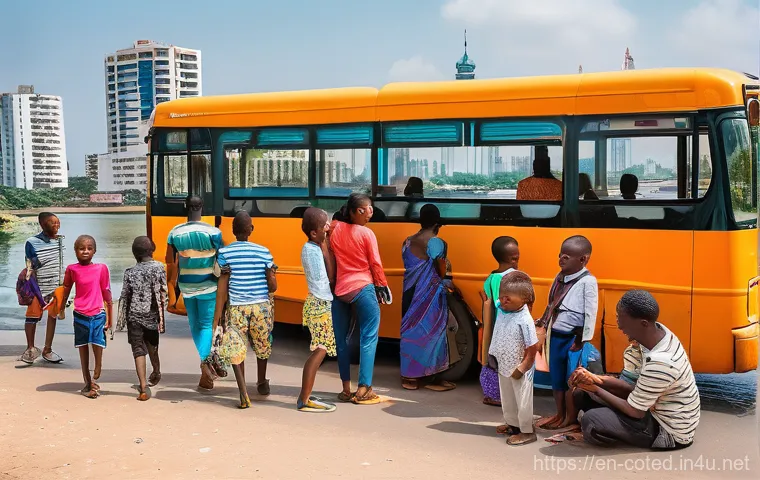
Getting around Abidjan can be an adventure in itself, but thankfully, public transport is incredibly budget-friendly. I’ve often hopped on the local Sotra buses, which are remarkably cheap, sometimes just a few dollars for a day’s worth of travel.
A single one-way ticket usually costs about 500-550 CFA. If you plan on using public transport frequently, a monthly pass at around 27,500 CFA can be a real money-saver.
The Ivorian government has even invested significantly in urban transport projects for 2024, including subsidies for the Abidjan City Bus (Sotra), aiming to make travel even more efficient and affordable.
I love the feeling of being part of the daily rhythm of the city as I ride a Sotra bus, watching life unfold outside the window. It’s a truly authentic way to experience Abidjan.
Taxis and Beyond: When Convenience Calls
While buses are great, sometimes you just need to get somewhere quickly or you’re loaded with market finds. Taxis are readily available, and while more expensive than buses, they’re still quite reasonable compared to many Western cities.
A taxi ride typically starts at around 1,000 CFA. However, a word to the wise: always negotiate the fare *before* you get in! It’s a common practice and ensures you won’t be surprised at your destination.
If you’re exploring beyond Abidjan, inter-city buses are a cost-effective option, though journey times can be long. For example, a bus from Accra to Abidjan can take 11-14 hours and cost between $26-$44, which is a significant saving compared to flying if you have the time and patience.
I once took a long bus ride and found it was a fantastic way to see the landscape and connect with fellow travelers. Just be prepared for potential delays and embrace the journey!
Staying Connected and Entertained: Utilities and Leisure
Keeping the Lights On: Utility Costs
Utilities can be a bit of a fluctuating expense, depending on your usage and where you live. For a standard 915 sq ft apartment, you might budget around 118,333.33 CFA for basic utilities like electricity, water, and garbage each month.
Air conditioning, while a blessing in the heat, can definitely bump up your electricity bill, so I always recommend being mindful of how often you use it.
I remember one summer, I was a bit too liberal with the AC, and my bill was a shocker! Now, I try to open windows for cross-ventilation when possible and only use AC during the hottest parts of the day or night.
It’s all about finding that balance between comfort and cost-saving.
Online and Engaged: Communication and Fun
Staying connected is super important, especially if you’re like me and need to be online for work and sharing your adventures. Mobile phone plans with calls and 10GB+ of data usually cost around 15,000 CFA monthly.
For consistent internet at home, a 60 Mbps or more unlimited data plan could be about 24,166.67 CFA. From my experience, Orange is a fantastic choice for mobile data in Côte d’Ivoire; you can get a good prepaid plan with 12 GB of data for 30 days for about 10,000 CFA (roughly $16.7 USD).
And guess what? eSIMs are widely available too, so you can be online the moment you land! When it comes to leisure, Abidjan has plenty to offer.
A cinema ticket is typically around 5,000 CFA. If you’re into fitness, a monthly gym membership can range from 40,719.55 CFA to 41,250 CFA. I’ve found that even just exploring local markets or relaxing by the lagoon can be a great way to spend your time without spending much.
Organized tours and excursions are available, with prices starting from $34, but more comprehensive city tours can go up to $100 or more. My advice? Mix it up!
Enjoy some paid activities, but also embrace the free wonders of Ivorian culture and nature.
Hidden Costs and Contingencies: Preparing for the Unexpected
The Small Spends That Add Up
Even when you budget meticulously, those small, often overlooked expenses can sneak up on you. Think about things like personal care items, laundry services if you don’t do it yourself, or even those spontaneous treats from a roadside vendor.
I always make sure to put aside a small “miscellaneous” fund because, let’s face it, life in a new country is full of delightful surprises and occasional necessities you hadn’t planned for.
It’s not just about covering essentials; it’s about having the flexibility to grab that beautiful artisan craft at the market or try a new local delicacy that catches your eye.
These little indulgences are part of the travel experience and can greatly enhance your month in Côte d’Ivoire. Don’t let a rigid budget stop you from fully immersing yourself!
Building a Financial Buffer: My Safety Net Strategy
Beyond the small, everyday extras, it’s crucial to think about a larger financial buffer. Life throws curveballs, and being in a foreign country can amplify those unexpected situations.
What if you need a quick taxi ride across town because you’re running late, or an unforeseen medical expense pops up? I always travel with a contingency fund, usually about 10-15% of my total budget, specifically for emergencies or unexpected delights.
I mean, what if you discover an incredible day trip opportunity that wasn’t in your original plan, and you just *have* to go? Having that extra cushion allows for peace of mind and the flexibility to seize those once-in-a-lifetime moments.
It really minimizes stress and ensures your adventure stays magical, no matter what.
Smart Budgeting for an Amazing Ivorian Adventure
Leveraging Local Experiences for Savings
If there’s one thing I’ve learned from my travels, it’s that embracing local life is not only more authentic but almost always more budget-friendly. In Côte d’Ivoire, this means swapping fancy restaurants for vibrant street food stalls where you can get incredible meals for a fraction of the price.
It means choosing local transport like the Sotra buses or negotiating taxi fares with a friendly smile, rather than relying on more expensive private options.
I found that shopping at local markets for fresh produce not only saved me money but also introduced me to new ingredients and the wonderful rhythm of daily Ivorian life.
These are the experiences that truly make your trip memorable, far beyond what any five-star restaurant could offer, and they help your money go so much further!
Monthly Snapshot: Where Your Money Might Go
To give you a clearer picture, I’ve put together a little table based on my own experiences and the latest information. Remember, these are averages, and your spending will definitely vary depending on your lifestyle and how much you lean into local living.
But this should give you a solid starting point for planning your month in Abidjan.
| Category | Estimated Monthly Cost (XOF) | Estimated Monthly Cost (USD) |
|---|---|---|
| Basic Accommodation (1-Bedroom Apartment outside prime expat areas) | 225,000 – 450,000 | $400 – $800 |
| Groceries (for one person, cooking at home) | 112,000 – 168,000 | $200 – $300 |
| Dining Out (mix of inexpensive local restaurants & street food) | 50,000 – 100,000 | $90 – $180 |
| Local Transportation (public transport & occasional taxis) | 30,000 – 60,000 | $50 – $100 |
| Mobile Phone & Internet (data plan & home internet) | 25,000 – 40,000 | $45 – $70 |
| Utilities (electricity, water, garbage for a small apartment) | 100,000 – 150,000 | $180 – $270 |
| Leisure & Entertainment (mix of free & paid activities, cinema) | 30,000 – 70,000 | $50 – $120 |
| Miscellaneous / Contingency | 50,000 – 100,000 | $90 – $180 |
| Total Estimated Monthly Budget | 622,000 – 1,138,000 | $1,105 – $2,020 |
Please note, for a comfortable lifestyle in a major city like Abidjan, many sources suggest a range of $1,500 to $2,500 USD per month. This higher figure often accounts for living in more expat-friendly areas, dining out more frequently at mid-range or upscale establishments, and possibly having additional amenities or personal services.
My goal here is to show you a practical, flexible budget that allows for both exploration and smart spending!
Wrapping Things Up
Venturing into a new country always comes with its financial curiosities, and Côte d’Ivoire is a destination that truly rewards smart, mindful spending. My journey here has shown me that you absolutely don’t need a massive budget to experience the vibrant culture, incredible food, and warm hospitality that define this amazing place. It’s all about making informed choices, embracing local life, and being open to the unexpected. So, pack your bags, prepare for an adventure, and know that with a little planning, your Ivorian dream can be a beautifully affordable reality!
Useful Information to Know
1. Currency and Cash: The local currency is the West African CFA franc (XOF), which is pegged to the Euro. While credit cards are accepted in larger hotels and upscale restaurants, cash is king for markets, street food, and many smaller businesses. I always make sure to have a good stash of smaller denominations on hand – it makes transactions so much smoother!
2. Negotiation is Key: Especially in markets and when taking taxis, don’t shy away from polite negotiation. It’s a common part of the culture and often expected. I’ve found that a friendly smile and a little back-and-forth can often get you a better price, and it’s a great way to interact with locals.
3. Language Basics Help Immensely: While French is the official language, learning a few basic phrases in Dioula or Baoulé (common local languages) can go a long way. Even a simple “Bonjour” (hello) and “Merci” (thank you) in French, or trying a local greeting, can open doors and enhance your interactions.
4. Stay Hydrated and Health-Conscious: The Ivorian climate is tropical, so staying hydrated is crucial. Drink bottled water and be mindful of food hygiene, especially with street food. I always carry hand sanitizer and have found that being a little cautious initially helps prevent any unfortunate tummy troubles down the line.
5. Connectivity is Easy: Getting a local SIM card (or an eSIM!) from providers like Orange or MTN is incredibly easy and affordable. This makes navigating, staying in touch, and accessing information a breeze. Having reliable data has been a lifesaver for everything from finding the best local eateries to coordinating meet-ups.
Key Takeaways
Ultimately, a fulfilling and financially savvy month in Côte d’Ivoire hinges on embracing local experiences – from market shopping and street food to public transportation. Be flexible with your budget, especially when it comes to daily market prices, and always keep a contingency fund for those delightful surprises or unforeseen needs. Negotiation is a common practice, particularly for taxis, so engage respectfully. Most importantly, immerse yourself in the vibrant Ivorian culture; it’s not only the most authentic way to travel but also the most budget-friendly. Your adventure will be richer for it!
Frequently Asked Questions (FAQ) 📖
Q: What’s a realistic monthly budget for an English speaker living in Côte d’Ivoire, especially for someone who wants to experience the local culture without breaking the bank?
A: Oh, this is the million-dollar question, isn’t it? Or should I say, the million-CFA-Franc question! When I first landed in Abidjan, trying to figure out how much I’d actually spend was a puzzle.
From my own experience, and chatting with so many other adventurers, a comfortable monthly budget for a single person looking to genuinely immerse themselves in Côte d’Ivoire, particularly Abidjan, really depends on your lifestyle.
If you’re a budget-savvy traveler, embracing local street food, using public transport like the famous Gbaka or Woro-woro, and opting for more modest guest houses or shared apartments, you could realistically aim for around 300,000 to 500,000 CFA Francs (roughly $500 to $850 USD) per month.
This would cover your basic housing, delicious local meals, and some fun excursions. If you prefer a bit more comfort – say, a private apartment, eating out at mid-range restaurants a few times a week, and taking taxis more often – you’re probably looking at 600,000 to 900,000 CFA Francs ($1,000 to $1,500 USD).
And for those who enjoy the finer things, like swankier apartments, frequent dining at international restaurants, and perhaps some nightlife, it could easily climb to 1,000,000 CFA Francs ($1,700 USD) or more.
The beauty of Côte d’Ivoire is that it truly offers something for every budget, and I’ve found that smart choices can significantly stretch your funds, allowing for more unforgettable experiences.
Q: Beyond housing, what are the main daily expenses I should expect, like food, transportation, and maybe a little entertainment?
A: Great question! Once you’ve got your roof over your head sorted, your daily adventures really start, and that’s where the little expenses add up. Let’s talk food – my personal favorite part of any travel experience!
You absolutely have to try the local street food; it’s not only incredibly delicious but also super budget-friendly. A hearty meal of Attieke with grilled fish or chicken, or a plate of Garba, will only set you back about 500 to 1,500 CFA Francs ($0.85 to $2.50 USD).
I’ve had some of my most memorable meals sitting on a plastic stool by the roadside, soaking in the vibrant atmosphere. If you’re craving something a bit more substantial, a meal at a local “maquis” (a type of open-air restaurant) might be around 2,500 to 5,000 CFA Francs ($4 to $8.50 USD).
Western-style restaurants will naturally be pricier, easily going for 8,000 CFA Francs ($13 USD) or more per meal. Now, transportation. The local Gbaka (minibuses) are a lifesaver for getting around Abidjan, and incredibly cheap – usually just 200 to 300 CFA Francs ($0.35 to $0.50 USD) for a ride.
For shorter distances, Woro-woro (shared taxis) are also a great option, often 500 CFA Francs ($0.85 USD). If you prefer a private taxi, expect to pay anywhere from 1,000 to 5,000 CFA Francs ($1.70 to $8.50 USD) depending on the distance and your negotiation skills – always agree on the price before you get in!
As for entertainment, a trip to a local market to explore or a visit to a museum might cost a few thousand CFA Francs. A cinema ticket could be around 3,000 to 5,000 CFA Francs, and a night out at a bar might mean spending 5,000 to 10,000 CFA Francs on drinks.
What I’ve found is that embracing the local way of life often means spending less and experiencing more authentic fun.
Q: Are there any savvy tips or tricks for cutting costs and saving money while still enjoying a rich cultural experience in Côte d’Ivoire?
A: Absolutely! This is where being a smart traveler really pays off and allows you to dive deeper into the culture. My number one tip, and I cannot stress this enough, is to eat like a local.
Seriously, the street food in Côte d’Ivoire is not just delicious; it’s incredibly affordable and a fantastic way to engage with everyday life. Forget fancy tourist traps for every meal; your wallet and your taste buds will thank you for trying attiéké, aloco, or grilled plantains from a local vendor.
Secondly, master the art of negotiation, especially in markets and with taxi drivers. It’s expected, it’s part of the culture, and it can save you a good chunk of change.
Always be polite and smile, but don’t be afraid to haggle a bit. Another great hack is to use local transportation. Gbaka and Woro-woro are your best friends.
They might seem a bit chaotic at first, but they’re incredibly efficient, ridiculously cheap, and offer a truly authentic glimpse into daily Ivorian life.
For accommodation, instead of just booking the first hotel you see, look into longer-term apartment rentals or guest houses, especially if you’re staying for a month.
You can often get significant discounts. I’ve personally found great deals by talking to locals and looking for “for rent” signs. Finally, embrace free or low-cost activities.
Wander through vibrant markets, take strolls along the lagoon, visit local churches, or simply sit at a café and people-watch. Some of my most cherished memories from Côte d’Ivoire didn’t cost a thing beyond a cup of coffee.
By being mindful and a little adventurous, you can have an incredibly rich and immersive experience without emptying your savings account.