Hey there, fellow travel enthusiasts! Ever dreamt of venturing into a place where elephants roam free, monkeys swing through ancient forests, and the air is thick with the scent of untamed nature?
Well, let me introduce you to a hidden gem in West Africa: Comoé National Park in Côte d’Ivoire. This isn’t just any park; it’s one of the largest protected areas in West Africa, a UNESCO World Heritage site brimming with biodiversity and raw, unfiltered beauty.
Picture yourself cruising down the Comoé River, the lifeblood of the park, with its banks teeming with wildlife. Or perhaps you’re trekking through the savannah, spotting lions, hippos, and a mind-boggling array of bird species.
As someone who’s spent years exploring the world’s most breathtaking landscapes, I can tell you that Comoé National Park is unlike anything else. It’s a place where you can truly disconnect from the hustle and bustle of modern life and reconnect with nature in its purest form.
And with growing interest in sustainable tourism, now is the perfect time to explore this incredible destination before the crowds arrive. Thinking about visiting in the next few years?
Experts are already buzzing about the potential for eco-tourism to explode here, so you might want to get in before everyone else does! Let’s dive deeper and uncover the secrets of this extraordinary place.
Let’s get the lowdown below!
Unveiling West Africa’s Untamed Jewel
Stepping into Comoé National Park truly felt like entering a different world, a raw, pulsating heart of nature that Africa so beautifully holds. The moment I set foot on its soil, I understood why it’s such a revered UNESCO World Heritage site.
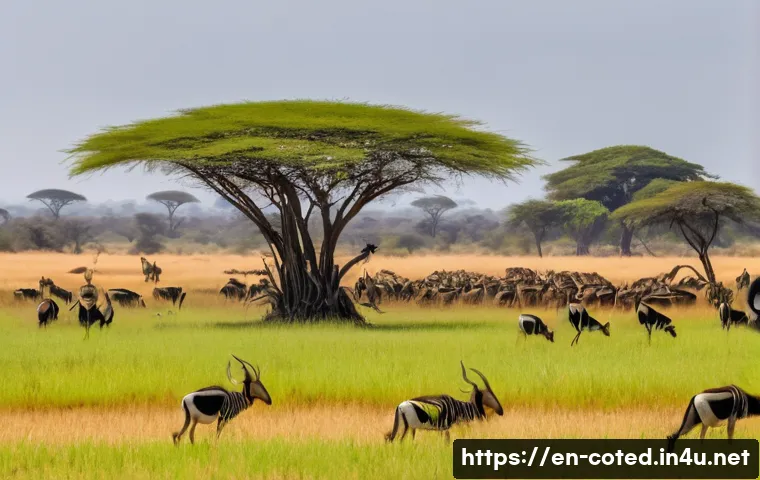
Unlike the more heavily trafficked parks further east or south, Comoé offers an unparalleled sense of discovery. Imagine vast stretches of savannah seamlessly blending into dense gallery forests, all fed by the magnificent Comoé River.
This isn’t your typical curated safari experience; it’s an adventure that demands a bit of grit and rewards you with pure, unadulterated wilderness. I’ve seen my share of incredible landscapes, but the sheer scale and diversity here left an indelible mark on my soul.
There’s a quiet majesty to it, a feeling of being a privileged observer in an ecosystem that largely operates on its own terms. As an explorer, that’s exactly what I look for – a place where nature still reigns supreme, and every turn brings a new, breathtaking surprise.
It’s a place where you can genuinely disconnect and truly breathe, an experience that’s becoming increasingly rare in our interconnected world. The air itself feels different, charged with the energy of thousands of years of untouched life.
If you’re seeking an authentic connection with the wild, far from the madding crowds, this park is calling your name.
The Diverse Tapestry of Ecosystems
What really blew me away about Comoé was its incredible range of ecosystems packed into one park. You’ve got the lush Guinean savannahs in the south, gradually transitioning into the Sudanese zones further north.
But then, cutting through it all are these incredible gallery forests, hugging the rivers and streams, providing a completely different habitat. It’s like several parks rolled into one, which means an astonishing variety of flora and fauna.
I spent days just trying to wrap my head around how many different environments could coexist so harmoniously. The changes aren’t abrupt; they’re subtle, flowing, and each transition brings new sights, sounds, and species.
This unique ecological gradient, driven largely by the Comoé River, is precisely what makes the park such a biodiversity hotspot. It’s a natural laboratory, a living textbook for anyone interested in tropical ecology, and honestly, just a feast for the senses for anyone who appreciates a stunning view.
You can literally witness the shift from open grasslands to dense, shaded woodlands within a single day’s journey, making every moment an opportunity for a new discovery.
The Silent Sentinels: Ancient Forest Reserves
Within Comoé National Park, there are these pockets of ancient, untouched forest that feel truly sacred. These aren’t just trees; they are silent sentinels that have witnessed centuries of life unfolding.
Walking through them, the air cools, the light dapples, and you’re enveloped in a hush that’s broken only by the rustling leaves or the distant call of a bird.
These forests are vital refuges for many species, especially during the dry season, providing essential water sources and shelter. I recall one morning, trekking deep into one of these gallery forests, and suddenly, the sounds of the savannah faded, replaced by a symphony of insects and the gentle murmur of a hidden stream.
It was an incredibly humbling experience, reminding me of the sheer power and resilience of untouched nature. These are the places where the park truly reveals its ancient soul, offering a glimpse into what West Africa must have looked like millennia ago.
It’s a profound experience, one that reconnects you to the very origins of life.
A Kaleidoscope of Wildlife: Beyond Expectations
When most people think of an African safari, their minds usually jump to East or Southern Africa. But let me tell you, Comoé National Park offers an absolutely unique and unforgettable wildlife spectacle that defies those preconceptions.
I’ve been fortunate enough to witness incredible animal encounters all over the continent, and the density and diversity of species here, particularly the less-common ones you might not see elsewhere, truly surprised me.
From the majestic elephants roaming the savannah to the elusive forest buffalo deep within the gallery forests, every day brings a new possibility. I’ve spent hours simply observing troops of playful monkeys, each with its own personality, and the vibrant array of birdlife is simply astounding – even if you’re not a dedicated birder, you’ll find yourself captivated.
The park is a critical sanctuary for many endangered species, and seeing them thrive in their natural habitat here felt like witnessing a real triumph for conservation.
It’s a place where patience truly pays off, and every sighting, big or small, feels like a personal victory.
Spotting the Elusive Forest Giants
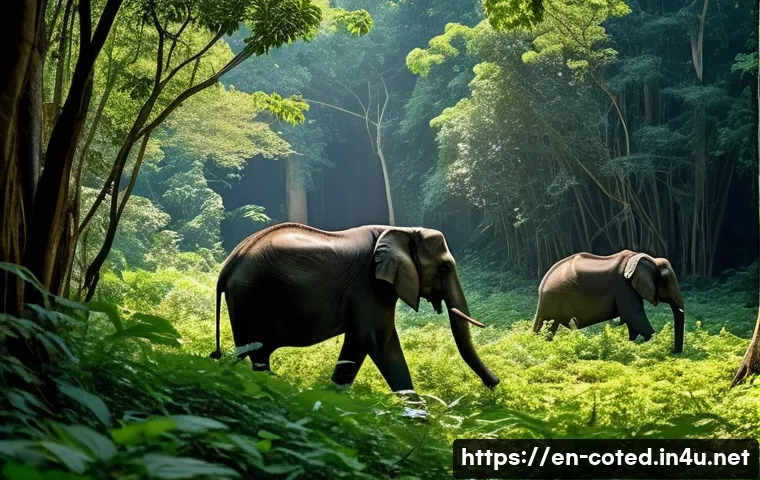
One of my absolute highlights from Comoé was the chance to encounter forest elephants. These aren’t the savannah elephants you might picture; they’re generally smaller, darker, and incredibly shy, preferring the dense cover of the gallery forests.
Tracking them was an adventure in itself, a test of patience and keen observation. I remember one humid afternoon, following subtle signs – broken branches, fresh droppings – and then, through a clearing, there they were.
A small herd, moving silently through the undergrowth, their enormous forms surprisingly graceful amidst the trees. It was a truly privileged moment, far removed from any jeep full of tourists.
It hammered home the incredible importance of these protected areas for these magnificent, yet vulnerable, creatures. Their presence is a testament to the health of the park’s ecosystems.
Seeing them up close, even from a respectful distance, is an experience that transcends mere sightseeing; it’s a profound connection with the wild.
Comoé’s Avian Wonders: A Birder’s Dream
If you’re a bird enthusiast, or even if you just appreciate beauty, Comoé National Park will blow you away. I’m not even a hardcore birder, but I found myself constantly reaching for my binoculars.
The sheer variety of species is mind-boggling, from vibrant kingfishers darting over the river to majestic hornbills soaring above the tree canopy, and countless endemic species that you won’t find anywhere else.
The park is situated in a unique transition zone, attracting both savannah and forest birds, as well as migratory species, creating a veritable avian kaleidoscope.
Early mornings, especially along the Comoé River, were a symphony of calls and flashes of color. I distinctly remember spotting a stunning Abyssinian ground hornbill strutting across the savannah, its vibrant plumage a stark contrast to the golden grasses.
It’s an absolute paradise for photographers and nature lovers alike, offering endless opportunities to observe and appreciate these winged wonders in their natural splendor.
Navigating the Comoé: The River’s Embrace
The Comoé River isn’t just a waterway; it’s the pulsating artery of the entire park, dictating life and influencing every aspect of its ecosystems. My river excursions were easily among the most memorable parts of my trip.
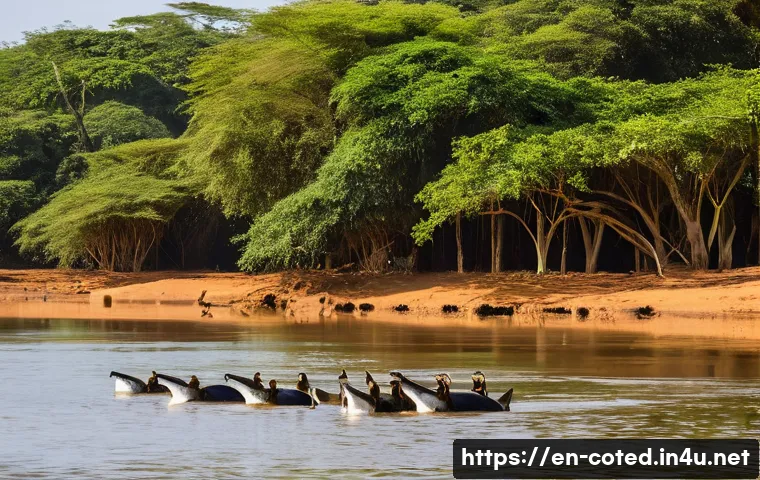
Cruising along its calm waters in a small boat, you get a completely different perspective on the landscape and its inhabitants. The banks are teeming with life – crocodiles basking lazily in the sun, hippos grunting contentedly in the shallows, and countless birds fishing along the edges.
It’s a serene yet incredibly vibrant experience, a stark contrast to the dusty savannah trails. The river essentially creates these lush corridors of gallery forest, providing essential refuge and water, especially during the long dry season.
Without the Comoé, the park simply wouldn’t exist as it does, and understanding its role truly deepens your appreciation for this incredible natural wonder.
Trust me, spending a few hours on the river is non-negotiable for a truly immersive experience.
Boat Safaris: A Unique Perspective
Taking a boat safari on the Comoé River offered a completely different lens through which to view the park’s incredible wildlife. On land, you’re looking for animals; on the water, they seem to come to you.
I remember gliding silently past a group of hippos, their eyes just above the waterline, watching us with a mixture of curiosity and indifference. Crocodiles were everywhere, sometimes so perfectly camouflaged they looked like logs until a subtle movement gave them away.
The riverbanks themselves are a hive of activity, with various antelope species coming down to drink, and monkeys swinging through the overhanging branches.
It’s a peaceful yet exhilarating experience, allowing you to observe animals in their natural routines without disturbing them. Plus, the cooler air over the water is a welcome respite from the savannah heat!
It really makes you feel like you’re part of the landscape, rather than just an observer.
Lifeblood of the Dry Season
During the long, hot dry season, the Comoé River transforms from a mere feature into the indisputable lifeline of the entire park. As seasonal waterholes dry up, the river becomes the sole reliable source of water for countless species, from the largest elephants to the smallest antelopes.
I visited during the transition period, and you could clearly see how all life gravitated towards its banks. This concentration of animals around the river also means it’s often the best time for wildlife viewing, as creatures are forced to come out of hiding.
It’s a powerful testament to the river’s crucial role, a constant provider in a landscape that can be incredibly harsh. Observing this natural phenomenon up close truly brings home the delicate balance of these ecosystems and how vital every element is for survival.
It makes you appreciate every drop of water and the incredible resilience of nature.
Planning Your Eco-Adventure: Insider Tips
Alright, for those of you already itching to pack your bags, let’s talk practicalities. Visiting Comoé National Park isn’t like booking a resort package; it requires a bit of planning, but that’s part of the adventure, right?
Because it’s less developed for mass tourism, you’ll find the experience far more authentic. Accommodation within or very near the park is relatively simple but comfortable, focusing on integrating with nature rather than extravagant luxury.
Think eco-lodges or guesthouses that prioritize sustainability. I always recommend going with experienced local guides – they are invaluable. Not only do they know the terrain and the best spots for wildlife viewing, but their knowledge of the local culture and ecosystem is truly profound.
Plus, supporting local guides directly contributes to the park’s conservation efforts and the livelihoods of the surrounding communities. Don’t forget your essentials: good binoculars, a high-quality camera, plenty of insect repellent, and lightweight, breathable clothing.
Embrace the raw, untamed spirit of the place, and you’ll have an unforgettable journey.
Best Times to Witness the Wild
Timing your visit to Comoé National Park can significantly impact your experience. From my own adventures, I’d highly recommend aiming for the dry season, which typically runs from November to March.
During these months, the vegetation is less dense, making wildlife spotting much easier. Animals also tend to congregate around the remaining water sources, particularly the Comoé River, offering fantastic viewing opportunities.
However, be prepared for hotter temperatures, especially towards the end of the dry season. If you prefer lush greenery and bird migration, the wet season (April to October) also has its charms, but game viewing can be more challenging due to thicker foliage and some roads becoming impassable.
I found that the shoulders of the dry season, perhaps late October/early November or late March, offered a good balance – still decent game viewing but with a bit of a transition in the landscape and fewer crowds.
Embracing Sustainable Travel Practices
When visiting a place as ecologically significant as Comoé National Park, embracing sustainable travel isn’t just a suggestion; it’s a responsibility.
My personal ethos for travel has always centered on leaving no trace, and here, it’s more crucial than ever. This means adhering strictly to park rules, staying on designated paths, and never disturbing wildlife.
Opting for eco-friendly accommodations and supporting local businesses, like hiring local guides or purchasing local handicrafts, directly benefits the communities that live alongside the park and encourages their continued involvement in conservation.
Remember, every dollar spent responsibly contributes to the park’s protection and the well-being of its people. It’s about being a mindful visitor, one who respects the delicate balance of nature and culture.
Your choices as a traveler have a tangible impact, so let’s make sure that impact is a positive one for Comoé.
Comoé’s Unique Challenges and Triumphs
Like many of Africa’s great wildernesses, Comoé National Park faces its share of challenges. Poaching, habitat encroachment, and climate change are constant threats that dedicated conservationists work tirelessly to combat.
I’ve had conversations with park rangers, and their passion and commitment are truly inspiring. Despite these hurdles, Comoé represents a significant triumph in conservation, particularly for West Africa.
Its sheer size and the diversity of its ecosystems make it a crucial stronghold for biodiversity in a region where such protected areas are increasingly rare.
The fact that species like lions, chimpanzees, and elephants still thrive here is a testament to the ongoing efforts of various organizations and the Ivorian government.
It’s a constant battle, but one that is absolutely worth fighting for. Witnessing the resilience of nature here, and the dedication of those working to protect it, fills me with immense hope for its future.
The Ongoing Battle for Conservation
The fight to protect Comoé National Park is a continuous one, waged daily by dedicated individuals and organizations. I learned about the constant vigilance required to combat poaching, which remains a significant threat, particularly for species like elephants and large antelopes.
Park rangers, often working under challenging conditions, are the unsung heroes on the front lines, risking their lives to safeguard this precious ecosystem.
Habitat loss outside the park also puts pressure on its boundaries, making the buffer zones and community engagement incredibly important. However, there’s a strong international and local commitment to its preservation, with initiatives focused on strengthening anti-poaching efforts, community outreach, and scientific research.
It’s a complex dance of protection, education, and sustainable development, and witnessing these efforts firsthand gives you a profound appreciation for what it takes to keep such a magnificent place alive.
Revitalization and Hope for the Future
Despite the historical challenges, there’s a palpable sense of revitalization and optimism for Comoé National Park’s future. After being placed on UNESCO’s List of World Heritage in Danger due to poaching and management issues, concerted efforts led to its removal from the list in 2017 – a monumental achievement!
This turnaround is a testament to increased investment in park management, improved anti-poaching strategies, and stronger community involvement. I personally felt this renewed energy during my visit; there’s a real sense of pride and determination among the locals and park staff to ensure its long-term survival.
This success story offers a blueprint for conservation in other vulnerable regions and shows what’s possible with sustained effort. It makes visiting Comoé not just a vacation, but a way to support a living, breathing conservation success story.
Comparing African Wildlife Experiences
While every African safari offers its own magic, Comoé National Park truly stands out for its distinctive character. Many people flock to the famed parks of East and Southern Africa, and for good reason – they offer incredible experiences.
However, Comoé provides something a bit different, something I’ve come to cherish deeply. It’s less commercialized, meaning fewer vehicles at a sighting and a more intimate connection with the wild.
The landscapes themselves are unique, particularly the blend of savannah and extensive gallery forests, which supports a different array of species and offers varied observation opportunities.
While you might not see the sheer numbers of some iconic animals you’d find in the Serengeti, the quality of the sightings in Comoé, the feeling of genuine discovery, is unparalleled.
It’s an experience for those who appreciate raw nature, untamed beauty, and a sense of true exploration off the beaten path.
| Feature | Comoé National Park (Côte d’Ivoire) | Typical East/Southern African Safari |
|---|---|---|
| Crowd Levels | Low, offering intimate wildlife encounters. | Can be high, especially at popular sightings. |
| Landscape Diversity | Unique blend of Guinean/Sudanese savannahs and extensive gallery forests. | Often dominated by one or two primary ecosystem types (e.g., vast plains, mountainous regions). |
| Key Wildlife Highlights | Forest elephants, chimpanzees, hippos, unique bird species, various antelope. | High concentrations of “Big Five” (lion, leopard, rhino, elephant, buffalo), wildebeest migration. |
| Safari Style | More adventurous, focus on guided treks, river safaris, and vehicle safaris. | Primarily vehicle-based safaris, some walking safaris. |
| Conservation Status | Significant turnaround from “in danger” list; active revitalization. | Varies by park, ongoing conservation challenges. |
A Different Kind of “Big Five”
Forget the traditional Big Five for a moment; Comoé offers its own compelling list of must-see wildlife, some of which you’d be hard-pressed to find elsewhere.
While lions are definitely present and a thrilling sight, the true stars for me were the forest elephants – majestic and elusive – and the chimpanzees, whose playful antics in the gallery forests are a pure joy to watch.
Then there are the hippos, seemingly countless, basking in the Comoé River, and the diverse array of antelopes, including species like the western hartebeest and roan antelope.
And let’s not forget the incredible birdlife! It’s about appreciating the unique biodiversity that thrives in this specific ecological niche, rather than just ticking off a checklist.
This park reminds you that wildlife viewing isn’t just about the biggest or most dangerous, but about the incredible variety and wonder of all living creatures.
The Untamed Appeal: Fewer Crowds, More Connection
One of the biggest advantages of visiting Comoé National Park, in my opinion, is the relative lack of crowds. Unlike some of the more famous parks where you might find a dozen vehicles jostling for position around a lion sighting, here, it’s often just you, your guide, and the wildlife.
This creates an incredibly profound and personal connection with nature. I can vividly recall spending an entire afternoon watching a herd of elephants by myself, feeling utterly immersed in their world without any distractions.
It allows for a deeper sense of observation, a chance to truly absorb the sights and sounds without the buzz of other tourists. If you’re someone who values solitude, authenticity, and a true wilderness experience, then Comoé’s untamed appeal and quieter atmosphere will undoubtedly resonate with you.
It’s a chance to truly disconnect and find your own rhythm in nature.
The Future is Wild: Why Visit Comoé Now?
So, why should Comoé National Park be on your radar right now? Beyond its incredible natural beauty and unique wildlife, there’s a definite buzz about its growing potential as a premier eco-tourism destination.
As the world increasingly seeks out authentic, sustainable travel experiences, places like Comoé, which offer genuine immersion in nature away from mass tourism, are becoming incredibly valuable.
Experts are already pointing to West Africa as the next frontier for conscious travel, and Comoé is perfectly positioned at the forefront of this movement.
Its recent removal from UNESCO’s “in danger” list signifies a renewed commitment to its protection and sustainable development, making it an ideal time to visit and support these ongoing efforts.
You’re not just taking a trip; you’re becoming part of a positive story, witnessing the rebirth of a magnificent wilderness. I genuinely believe that in a few years, this park will be on every discerning traveler’s wish list, so getting there now means experiencing it in its purest, most untouched form before it inevitably gains wider recognition.
A Rising Star in Eco-Tourism
Comoé National Park is rapidly emerging as a rising star in the world of eco-tourism, and for good reason. Its immense biodiversity, stunning landscapes, and the relative lack of commercial development offer an unparalleled opportunity for responsible travelers.
The focus here isn’t on luxury resorts, but on authentic experiences that connect visitors with nature and local communities. I’ve seen firsthand how passionate the park staff and local guides are about sustainable practices, ensuring that tourism benefits the park’s conservation efforts directly.
This commitment to sustainability is exactly what modern travelers are looking for, and Comoé delivers it in spades. It’s a place where you can feel good about your travel choices, knowing that your visit contributes positively to preserving one of West Africa’s most vital natural treasures.
The momentum is building, and it’s exciting to be a part of it.
Supporting a Conservation Success Story
When you choose to visit Comoé National Park, you’re doing more than just going on an adventure; you’re actively contributing to a remarkable conservation success story.
The park’s journey from the “in danger” list to a thriving protected area is a testament to dedicated hard work and international collaboration. Your tourism dollars directly support anti-poaching initiatives, habitat restoration, and vital community outreach programs that foster a symbiotic relationship between people and wildlife.
It felt incredibly rewarding to know that my presence, even as a single traveler, played a small part in sustaining this incredible place. It’s a chance to see conservation in action and to be a witness to positive change.
If you’re looking for a travel experience that offers profound personal enrichment alongside a genuine contribution to global conservation, then Comoé National Park absolutely deserves your attention.
It’s an investment in the wild future of our planet.
Wrapping Up Our Comoé Journey
And there you have it, friends – a glimpse into the raw, pulsating heart of West Africa, Comoé National Park. It’s been an absolute privilege to share my experiences from this incredible place with you all. From the vast, sun-drenched savannahs to the secretive embrace of the gallery forests, every moment here feels like a profound connection to nature in its purest form. If you’re anything like me, seeking adventures that stretch beyond the ordinary and truly immerse you in the wild, then Comoé should absolutely rocket to the top of your travel wishlist. It’s more than just a destination; it’s an opportunity to witness conservation in action, to support local communities, and to rediscover the magic of an untamed world. I truly hope my stories ignite that spark of curiosity and encourage you to embark on your own unforgettable journey to this West African jewel.
Useful Information for Your Adventure
1. Optimal Timing for Wildlife Spotting: To maximize your chances of incredible wildlife encounters, aim to visit Comoé National Park during the dry season, which typically runs from November to March. During these months, the vegetation is sparser, making animals easier to spot as they congregate around the essential water sources, particularly the Comoé River. While the wet season brings lush greenery and stunning birdlife, game viewing can be more challenging due to dense foliage and potentially impassable roads. I personally found that the transitional periods at the very beginning or end of the dry season offered a fantastic balance, combining comfortable weather with abundant wildlife activity, often with fewer visitors, creating a more intimate experience.
2. Harness the Power of Local Expertise: I cannot stress this enough – a knowledgeable local guide is your absolute best asset in Comoé. These incredible individuals possess an intimate understanding of the park’s ecosystems, animal behaviors, and the best vantage points for sightings. More than just navigators, they are storytellers, conservationists, and cultural bridges, enriching your journey with insights you simply couldn’t gain on your own. Engaging a local guide not only enhances your experience but also directly contributes to the local economy and supports the communities deeply invested in the park’s preservation, fostering a sustainable tourism model that truly benefits everyone involved.
3. Your Essential Packing Checklist: When venturing into Comoé, prepare for an immersive wilderness experience. Essential items include high-quality binoculars for those distant sightings and a robust camera with good zoom to capture the incredible wildlife. Don’t forget ample insect repellent, as mosquitos and other biting insects can be present, especially near water. Pack lightweight, breathable clothing in neutral colors to blend in and stay comfortable in the heat. A wide-brimmed hat, sunglasses, and strong sunscreen are crucial for protection from the African sun. Reusable water bottles are a must to stay hydrated and minimize plastic waste, aligning with sustainable travel practices that are so vital in such a pristine environment.
4. Navigating Connectivity and Communication: Unlike more developed safari destinations, Comoé National Park offers a true escape from constant digital bombardment. Cell service can be extremely limited or non-existent in many areas of the park, allowing for a much-needed digital detox. Embrace this opportunity to disconnect and fully immerse yourself in nature. Most lodges or guesthouses will have satellite internet available, often for a fee, but don’t rely on it for constant connectivity. Inform your loved ones about your limited access beforehand. This intentional disconnect allows you to truly hear the sounds of the wild, observe the subtle movements of animals, and be fully present in an experience that will undoubtedly create lasting memories.
5. Embracing Responsible and Ethical Tourism: Your visit to Comoé National Park is a powerful statement of support for conservation. It’s imperative to practice responsible tourism at all times. This means strictly adhering to park rules, staying on designated paths during walks or drives, and never, under any circumstances, disturbing wildlife. Maintain a respectful distance and avoid loud noises. Support local businesses, from guides to craftspeople, as your contribution helps sustain the communities that live harmoniously with the park. By choosing eco-friendly accommodations and minimizing your environmental footprint, you become a part of Comoé’s ongoing success story, ensuring that its pristine beauty and incredible biodiversity can be enjoyed by generations to come.
Key Takeaways for Your Comoé Adventure
In essence, Comoé National Park offers a truly distinctive and deeply rewarding African safari experience, setting itself apart with its unparalleled biodiversity and commitment to conservation. It’s a place where the diverse tapestry of Guinean and Sudanese savannahs merges seamlessly with ancient gallery forests, creating a vibrant sanctuary for a remarkable array of wildlife, including elusive forest elephants and playful chimpanzees. What truly resonated with me, beyond the stunning landscapes and incredible animal sightings, was the park’s palpable sense of triumph over adversity, transitioning from UNESCO’s ‘in danger’ list to a beacon of revitalization and hope. Visiting Comoé isn’t just a trip; it’s an investment in sustainable travel, a chance to support a thriving ecosystem, and an opportunity for an authentic, intimate connection with untamed nature, far from the madding crowds. It’s a reminder that some of the greatest adventures lie just off the beaten path, waiting to be discovered by those willing to seek them out.
Frequently Asked Questions (FAQ) 📖
Q: What is the best time of year to visit Comoé National Park?
A: The dry season, which runs from December to April, is generally considered the best time to visit Comoé National Park. During these months, the vegetation is less dense, making wildlife viewing easier.
Plus, the lack of rain means roads and trails are more accessible. I found that visiting in February offered the perfect balance of comfortable temperatures and prime wildlife spotting opportunities.
The animals tend to congregate around water sources, providing some amazing photo opportunities.
Q: Are there accommodations inside Comoé National Park, or do I need to stay outside?
A: Accommodation options within Comoé National Park are limited, focusing on eco-lodges and camping. These provide a more immersive experience but require booking well in advance.
For more varied options, consider staying in nearby towns like Kong or Tehini. I personally prefer the eco-lodges inside the park for the sheer experience of being surrounded by nature 24/7.
The sounds of the bush at night are simply magical, and it’s not uncommon to spot animals right from your doorstep. But be sure to research and book based on your comfort level and budget!
Q: What kind of wildlife can I expect to see in Comoé National Park?
A: Comoé National Park is teeming with diverse wildlife. You can spot elephants, lions, leopards, hippos, various monkey species, buffalo, and a staggering array of birdlife.
As an avid birdwatcher, I was blown away by the sheer number of species I encountered. Remember to bring a good pair of binoculars! You might even catch sight of the endangered painted hunting dog if you’re lucky.
Remember that wildlife sightings can never be guaranteed, but with a good guide and some patience, you’re almost certain to have some unforgettable encounters.