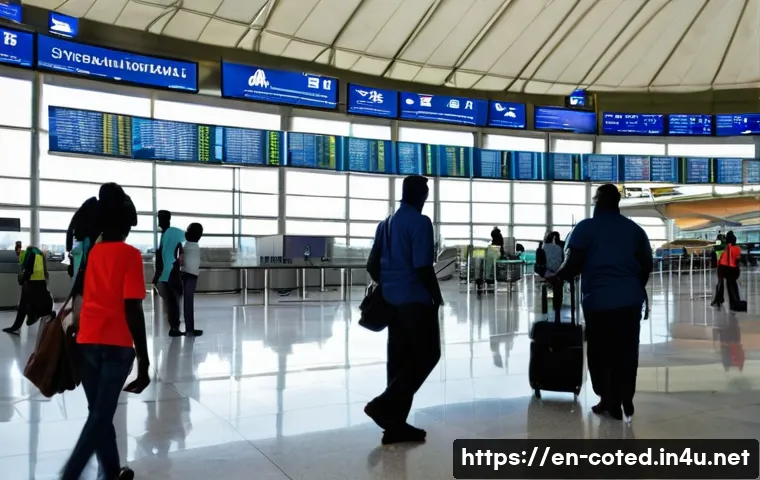
Hey fellow travel enthusiasts! Have you ever found yourself planning an exciting trip to West Africa and wondered about the entry point? If Côte d’Ivoire is on your radar, then you’re definitely going to be flying into Félix-Houphouët-Boigny International Airport, right here in vibrant Abidjan.
Trust me, navigating a new international airport, especially one as bustling and significant as this West African hub, can sometimes feel a bit overwhelming, but it doesn’t have to be.
I’ve always found that a little insider knowledge goes a long way in making your arrival and departure smooth as silk. This airport has really grown into a modern gateway, handling millions of passengers and connecting Abidjan to cities across Africa, Europe, Asia, and even North America, with new long-haul routes like Air Côte d’Ivoire’s upcoming Paris service launching in 2025!
Whether you’re a seasoned globetrotter or planning your first adventure to this incredible country, understanding its facilities, finding your way through immigration, or even grabbing a quick bite before your flight makes all the difference.
From what I’ve seen, having a grasp on flight information and airport tips means less stress and more time to soak in the experience. So, let’s explore everything you need to know to make your journey through Abidjan’s airport an absolute breeze.
We’ll dive into the details and make sure you’re fully prepared for your next adventure!
First Impressions: Arriving at Abidjan’s Gateway
Stepping off the plane at Félix-Houphouët-Boigny International Airport, you can immediately feel the vibrant energy of Abidjan. It’s a bustling hub, truly the heartbeat of West African air travel, and from my own experiences landing here countless times, I’ve learned that a little preparation makes all the difference. The airport itself has seen some fantastic modernizations, which really make a positive impact on the traveler’s journey, even as you’re just getting your bearings. It’s truly a gateway that has grown with the nation, becoming more efficient and welcoming with each passing year. Navigating a new country always starts here, so let’s make sure your first moments are as smooth as possible.
Navigating Immigration and Visa on Arrival
Alright, so you’ve landed, and the next big step is immigration. For many international visitors, especially those holding an e-Visa, the process at ABJ is surprisingly streamlined. From what I’ve observed, it’s always a good idea to have your printed e-Visa approval letter and passport ready to go. You’ll typically head to designated e-Visa counters where officials will verify your documents and capture your biometric data – think fingerprints and a quick photo. Once that’s done, they’ll pop an entry sticker into your passport, and then you’re usually directed to a regular immigration desk for the final stamp into the country. My best advice? Stay patient, keep your documents organized, and don’t hesitate to ask one of the helpful airport staff if you’re unsure where to go. They’re usually quite understanding and willing to point you in the right direction. Just remember, a smile and a clear request can go a long way.
Baggage Claim and Customs: What to Expect
After a successful immigration experience, it’s time to reunite with your luggage! The baggage claim area at ABJ is pretty straightforward. You’ll find carousels clearly marked for different flights, and from my countless arrivals, I’ve found that while it can sometimes take a little bit for bags to appear, the process is generally efficient. Keep an eye on the screens for your flight number. Once you’ve got your bags, you’ll proceed to customs. This is usually a quick process unless you have something specific to declare. Generally, if you’re traveling for tourism and have nothing unusual, you’ll pass through without a hitch. Remember, honesty is always the best policy. Trolleys are freely available, which is a huge plus when you’re loaded down with souvenirs or heavy cases. I always appreciate a smooth exit here, as it means I can get to the exciting part: experiencing Abidjan itself!
Essential Services and Staying Connected
Once you’re officially on Ivorian soil and have your bags in hand, your mind probably shifts to practicalities: getting some local currency, maybe grabbing a coffee, and, of course, getting connected. Félix-Houphouët-Boigny International Airport is well-equipped for these essentials, and I’ve personally relied on these services quite a bit. There’s nothing worse than landing in a new place and feeling disconnected, so knowing where to find these crucial services right off the bat is a huge relief. The airport’s commitment to providing these amenities really shows how much it caters to international travelers like us.
Money Matters: Currency Exchange and ATMs
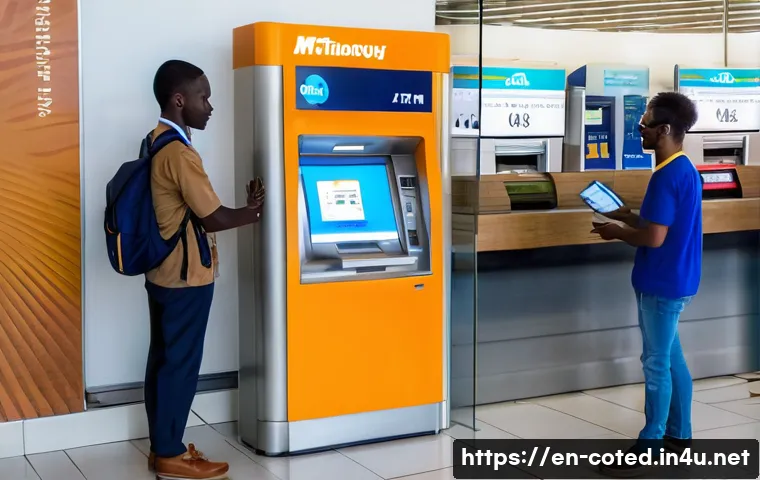
The local currency in Côte d’Ivoire is the West African CFA franc (XOF), and you’ll definitely need some local cash for taxis, smaller purchases, and just navigating daily life outside the airport. Good news: ABJ has got you covered. You’ll find several currency exchange counters and ATMs readily available in both the arrivals and departure halls. From my experience, while many places in Abidjan will accept major credit cards, having XOF in your pocket is essential for smaller vendors and tipping, which is always appreciated. I typically exchange a small amount at the airport for immediate needs and then look for better rates in the city, but it’s great to have the option right there. Just be aware that some ATMs can be a bit temperamental, so having a backup plan or a couple of different cards is a smart move. I’ve found Ecobank and BNI ATMs to be quite reliable, and they dispense XOF banknotes directly.
Getting Online: Wi-Fi and Local SIM Cards
In today’s world, staying connected isn’t a luxury; it’s a necessity, especially when you’re traveling. Abidjan airport understands this, offering free Wi-Fi in designated areas for up to 30 minutes. While 30 minutes is a nice gesture, if you’re like me and need constant connectivity, you’ll be glad to know there are options to purchase more. Alternatively, if you plan to be in Côte d’Ivoire for a while, I highly recommend grabbing a local SIM card. There are kiosks in the arrivals hall where you can purchase SIM cards from providers like Orange or MTN, and they can usually get it activated for you on the spot. I always get a local SIM card; it just makes everything from calling a local contact to using navigation apps so much easier and more affordable than relying on international roaming. Trust me, having reliable internet from the moment you leave the airport parking lot is a game-changer.
Relaxing and Refueling: Dining and Lounges
Travel can be exhilarating, but let’s be honest, it can also be exhausting! After a long flight or before a departure, everyone needs a moment to relax and refuel. Félix-Houphouët-Boigny International Airport truly shines in this regard, offering a decent array of options to satisfy your hunger and provide a peaceful retreat. I’ve spent my fair share of hours in airports, and I always appreciate when there are comfortable spots to unwind and grab a bite that feels a bit more substantial than just a bag of chips. ABJ really tries to cater to different tastes and needs, which is a welcome sight in any busy airport.
Savoring Local and International Flavors
When hunger strikes, you’ll find a mix of choices at ABJ. Landside, you might spot familiar names like Burger King if you’re craving something quick and easy. But what I really love is the opportunity to try some local flavors, even within the airport. There are various snack bars and cafes, like Akwabar and Air Lounge Café, that offer both international and local cuisine, from light snacks to more complete meals. I’ve always enjoyed trying a taste of the region right at the airport – it’s a great way to kick off or round off your trip! You can find coffee, teas, soft drinks, and even some local beers. It’s not a Michelin-star experience, but it’s certainly satisfying and helps break up the monotony of airport food you might find elsewhere. I find a good cup of coffee and a fresh pastry can really improve my mood before a long flight.
Finding Your Oasis: Airport Lounges
For those looking for a bit more comfort and tranquility away from the general hustle and bustle, ABJ offers several airport lounges. If you have Priority Pass, are flying business or first class, or are part of certain airline loyalty programs, you can often access these havens. From my experience, the VIP Aeria Lounge, located in the international departures area after security, is a fantastic spot. It blends local elegance with thoughtful service and even features rotating African art exhibitions, giving it a unique, museum-like feel – how cool is that? Inside, you’ll usually find complimentary hot and cold buffets, a VIP bar, Wi-Fi, and a selection of international publications. The last time I was there, it was such a peaceful escape before a regional flight, and having access to showers in some lounges (like the Ivoire Lounge or Air France Lounge) is a godsend, especially after a long journey. Sometimes, you can even pay a one-time fee for entry if space permits.
Beyond the Terminal: Your Ride into Abidjan
Once you’ve cleared all the airport formalities and indulged in a coffee, the next big question is: how do you get from the airport’s controlled environment into the vibrant, sprawling city of Abidjan? Trust me, the sheer energy of Abidjan hits you almost immediately, and having a plan for ground transportation is crucial to making your transition seamless. I’ve tried various methods, and knowing your options beforehand will save you time and potential headaches. The journey from the airport to the city center is about 16 kilometers, and depending on traffic, it can take anywhere from 15 to 45 minutes.
Taxi & Ride-Sharing: Hailing Your Transport
For convenience, taxis are often the go-to choice from Félix-Houphouët-Boigny International Airport. You’ll see official orange taxis waiting outside the terminal. My personal tip: always agree on the price *before* you get into the car, as taximeters aren’t commonly used, and prices can vary, sometimes even doubling after dark. A fair price to central Abidjan should typically be around 5,500 to 7,000 West African francs (XOF). While Uber is available in Abidjan, I’ve noticed that cars can be relatively few, and waiting times might be longer – sometimes 30 to 45 minutes. There are also local ride-hailing apps like TaxiJet and Yango that offer GPS-tracked rides, which can be a comfortable option. Sometimes, pre-booking a private transfer or a hotel shuttle can offer even more peace of mind, especially if you’re arriving late or with a lot of luggage.
Public Bus Options: An Affordable Alternative
If you’re on a tighter budget or just love an authentic local experience, the public bus is a viable option. SOTRA (Société des Transports Abidjanais) operates Line 6, which connects the airport to the “Gare Sud” bus station in the Plateau area, which is pretty central. The journey by bus takes a bit longer, usually around 35 to 50 minutes, and tickets are incredibly affordable, often just 200 XOF purchased directly from the driver. Buses run from early morning until around 7:30 PM to 9:00 PM, though intervals can be a bit irregular. While it’s a very economical choice, I would personally recommend it more for seasoned backpackers or those traveling light, as it can get crowded, and managing luggage might be a bit of a challenge. Plus, after a long flight, sometimes the comfort of a taxi is just worth it. However, if you’re up for an adventure and want to save some cash, it’s definitely an option worth considering!

| Transportation Type | Estimated Cost (XOF) | Estimated Travel Time to City Center | Key Considerations |
|---|---|---|---|
| Official Taxi | 5,500 – 7,000 | 15-30 minutes | Agree on price beforehand; prices may double after dark. |
| Uber / Local Ride-Hailing Apps | 5,500+ | 15-45 minutes | Fewer cars, potentially longer wait times. |
| Public Bus (SOTRA Line 6) | 200 | 35-50 minutes | Most affordable; can be crowded; limited hours. |
Smooth Departures: Saying Au Revoir to Côte d’Ivoire
Eventually, every incredible journey must come to an end, and if you’re like me, you want your departure to be as smooth and stress-free as your arrival. Leaving Abidjan through Félix-Houphouët-Boigny International Airport can be a breeze if you know what to expect and allow yourself ample time. I’ve always found that the key to a good departure experience is to be prepared and not rush, giving yourself time to enjoy those last moments in a place you’ve grown to love. It’s the final chapter of your trip, so why not make it a pleasant one?
Check-in and Security: Tips for a Stress-Free Exit
When it’s time to fly out, give yourself plenty of time. I usually aim to arrive at the airport at least three hours before an international flight, just to be safe. Check-in desks are clearly marked, and once you’ve dropped off your bags, you’ll head to security. Security procedures at ABJ are standard, much like what you’d find in many international airports. Remember to have your liquids under 100ml and properly bagged, and be prepared to remove electronics from your carry-on. Prohibited items like firearms or sharp objects are strictly not allowed in cabin baggage and will be confiscated, so double-check your packing list. My advice? Dress comfortably, keep your documents handy, and be patient. The security staff are professional, and a polite demeanor always helps. Once you’re through, the feeling of relief is wonderful, and you can then truly relax before boarding.
Duty-Free Delights and Last-Minute Souvenirs
After clearing security, you’ll find yourself in the international departure area, which often includes a duty-free section. This is your last chance to grab any forgotten gifts or indulge in some duty-free shopping. From my visits, I’ve seen a variety of products, including perfumes, spirits, and some local crafts and souvenirs. It’s a nice way to spend any remaining West African CFA francs you might have, or simply to browse and remember your trip. There are also usually some cafes and snack bars airside if you want to grab a final meal or drink before boarding. I always love picking up a small, unique trinket or a local chocolate bar at the very last minute – it’s a sweet reminder of the adventure once I’m back home.
Unlocking ABJ’s Future: What’s Next for This West African Hub
It’s truly inspiring to witness the growth and continuous evolution of Félix-Houphouët-Boigny International Airport. From what I’ve seen over the years, Abidjan isn’t just content with being a major regional player; it’s constantly striving for more, aiming to solidify its position as a world-class gateway. This forward-thinking approach means even better experiences for travelers in the coming years. It’s exciting to think about how these developments will further connect Côte d’Ivoire to the rest of the world and make journeys even smoother for all of us who love to explore.
Air Côte d’Ivoire’s Expanding Horizons
The national carrier, Air Côte d’Ivoire, is really spreading its wings, and it’s fantastic to see! Starting in September 2025, they’re launching their first-ever European route, with daily flights between Abidjan and Paris Charles de Gaulle using brand new Airbus A330-900 Neo aircraft. This is a massive step, and from what I understand, they’re not stopping there. The plan is to acquire more A330-900s to add even more long-haul destinations, including exciting prospects like London, Brussels, and even New York. This expansion is a huge win for travelers, offering more direct connections and potentially reducing airfare costs due to increased competition. It’s such a smart move to leverage Abidjan’s strategic location to truly become a major international connector, making it easier for us all to explore more of Africa and beyond.
The Abidjan Metro Link: A Game Changer
Speaking of future developments, one of the most exciting projects on the horizon is the Abidjan Metro. This is going to be an absolute game-changer for airport transportation! While it’s been in the works for a while, with construction starting in 2018, the metro is projected to enter commercial service around 2027 or 2028. Imagine being able to hop on a metro directly from the airport and be whisked into the city center without worrying about traffic or negotiating taxi fares! That’s the kind of convenience that truly elevates a travel experience. For me, public transport links directly to airports are always a huge plus, making arrival and departure less stressful and more accessible. I’m genuinely looking forward to seeing this come to fruition; it will make Abidjan even more welcoming and easier to navigate for everyone.
Concluding Thoughts
As we wrap up this journey through Félix-Houphouët-Boigny International Airport, it’s clear that Abidjan’s gateway is more than just a place to land or take off; it’s a vibrant introduction to the heart of West Africa. From my own experiences, it’s a place that continually improves, making every arrival and departure feel smoother and more welcoming. With a little preparation and an open mind, navigating ABJ can be a truly positive part of your Ivorian adventure. Here’s to many more seamless journeys through this dynamic hub!
Useful Information for Your Trip
1. Getting around in Abidjan can be a vibrant experience, but knowing a few local transport tips will save you a lot of hassle and enhance your journey. While taxis are plentiful, and I’ve certainly hailed my fair share, it’s absolutely essential to negotiate and agree on the fare *before* you even open the door. I’ve found that being firm yet friendly, and having a general idea of fair prices to your destination, works wonders. Alternatively, using local ride-hailing apps like Yango or TaxiJet can provide transparent pricing and GPS tracking, giving you an extra layer of peace of mind. For those with a taste for local immersion and a bit more patience, the ‘Woro-Woro’ (shared taxis) and ‘Gbaka’ (minibuses) are incredibly affordable, but be prepared for a more crowded and less direct journey, especially if you’re traveling with luggage. Always prioritize safety and comfort, particularly after dark, by sticking to established taxi services or pre-booked rides. This foresight transforms a potentially stressful situation into a smooth transition, allowing you to focus on the excitement of exploring Abidjan’s bustling streets and hidden gems. Navigating like a local while keeping your comfort in mind is truly the sweet spot for an unforgettable experience.
2. Staying connected is non-negotiable for me when traveling, and thankfully, Abidjan makes it easy. While the airport offers free Wi-Fi for a limited time, securing a local SIM card is your best bet for reliable and affordable internet access throughout your stay. I always make a beeline for the Orange or MTN kiosks right in the arrivals hall. From my personal experience, getting a SIM card activated on the spot is usually a quick and straightforward process, and the staff are incredibly helpful, often assisting with setup. Having a local number and data plan means you can effortlessly use navigation apps, stay in touch with family and friends, and even use local ride-hailing services without burning through expensive international roaming charges. It’s a small investment that pays huge dividends in convenience and peace of mind, allowing you to freely explore and share your adventures in real-time. Don’t underestimate the power of being seamlessly connected; it truly transforms your ability to embrace and enjoy your destination.
3. Navigating currency and payments in Abidjan requires a bit of foresight, but it’s quite manageable once you get the hang of it. The West African CFA franc (XOF) is the local currency, and while major hotels and some larger restaurants accept international credit cards, cash is king for most day-to-day transactions, especially at markets, smaller shops, and for taxi fares. I typically use the ATMs at the airport or reliable bank branches in the city for withdrawals; Ecobank and BNI are usually dependable. Currency exchange counters are also available, but I often find slightly better rates once I’m in the city center. It’s always a good idea to carry a mix of small denominations for tipping and minor purchases. Be mindful of ATM fees and always notify your bank of your travel plans to avoid card issues. Having local cash readily available makes interactions smoother and allows you to participate more fully in the vibrant local economy, ensuring you’re prepared for whatever delightful experiences Abidjan throws your way.
4. Understanding local customs and greetings can significantly enhance your interactions and open doors to warmer connections with the Ivorian people. Politeness and respect are highly valued. A simple “Bonjour” (good day) or “Bonsoir” (good evening) when entering a shop or meeting someone new goes a very long way, even if your French isn’t perfect. Handshakes are a common form of greeting, and it’s customary to use your right hand. I’ve personally found that making eye contact and offering a genuine smile can bridge any language barrier, conveying friendliness and respect. When visiting markets, a bit of friendly banter and light bargaining are often part of the cultural experience. Remember that patience is a virtue, and rushing can be seen as impolite. Embracing these small cultural nuances not only shows respect but also allows you to experience the genuine warmth and hospitality that Côte d’Ivoire is renowned for, transforming simple transactions into memorable human connections that truly enrich your travel story.
5. Prioritizing health and safety is paramount for any international trip, and my experiences in Abidjan have taught me a few valuable lessons. Always drink bottled or purified water to avoid any stomach issues; tap water is generally not safe for consumption. When it comes to food, be adventurous with local cuisine, but exercise common sense – I tend to favor busy food stalls where food is cooked fresh and served hot. Protect yourself from mosquitoes by using insect repellent, especially at dawn and dusk, and consider taking anti-malarial medication as advised by your doctor, as malaria is prevalent. For personal safety, be aware of your surroundings, especially in crowded areas or after dark, and avoid displaying expensive items. Like any major city, pickpocketing can occur, so keep your valuables secure and out of sight. Trust your instincts, and if a situation feels off, it probably is. Having comprehensive travel insurance is always a smart backup plan. By taking these proactive steps, you can minimize risks and fully immerse yourself in the wonders of Abidjan with greater confidence and peace of mind, allowing you to truly enjoy every moment of your exploration.
Key Takeaways for Travelers
Planning ahead for your arrival and departure at Abidjan’s Félix-Houphouët-Boigny International Airport is truly key to a stress-free experience. Remember to always have your visa documents ready, as it streamlines the immigration process significantly. Securing local currency and a reliable SIM card immediately upon arrival will ensure you’re connected and ready to navigate the city seamlessly. Most importantly, embrace the vibrant culture with an open mind and a friendly spirit, and you’re sure to have an unforgettable adventure in Côte d’Ivoire!
Frequently Asked Questions (FAQ) 📖
Q: What’s the best way to get from Félix-Houphouët-Boigny International
A: irport to my accommodation in Abidjan, and what should I expect? A1: Oh, this is such a common and crucial question when you land in a new city! Getting from the airport to your hotel in Abidjan is usually pretty straightforward, but a little preparation goes a long way.
Personally, I’ve found that taxis are the most readily available option right outside the terminal. You’ll see plenty of them, typically orange, waiting to whisk you away.
My biggest piece of advice here is to always agree on the fare before you get into the car. Don’t be afraid to negotiate a bit! What I usually do is have a rough idea of the typical fare to my destination, either by asking locals beforehand or checking with my hotel.
Expect to pay in CFA Francs, so make sure you have some local currency on hand – there are ATMs and currency exchange offices right in the arrival hall.
While ride-sharing apps are gaining traction in many places, traditional taxis are still king for airport transfers here. If your hotel offers an airport shuttle service, that’s often the most hassle-free choice, especially if it’s your first time in Abidjan.
I always feel a little more relaxed knowing someone’s already waiting for me after a long flight! Another option, if you prefer complete independence, is renting a car from one of the agencies located within the airport, but honestly, navigating Abidjan’s traffic can be quite an adventure, so I usually opt for a driver unless I’m planning extensive trips outside the city.
Trust me, making this decision beforehand saves you so much stress upon arrival!
Q: I’ve got a layover or an early flight; what kind of facilities and amenities can I expect at Félix-Houphouët-Boigny International
A: irport to pass the time comfortably? A2: That’s a fantastic question, and it speaks to the growing modernization of this airport! I remember my first few times through here, and while it’s always been efficient, it’s really stepped up its game in terms of passenger comfort.
You’ll be pleased to know that Félix-Houphouët-Boigny offers a good range of facilities to make your wait more pleasant. For dining, there are several restaurants and cafes, both before and after security, where you can grab anything from a quick coffee and pastry to a more substantial meal.
I’ve personally enjoyed some local flavors at a couple of the eateries – they really give you a last taste of Côte d’Ivoire before you depart! If you’re looking to do some last-minute shopping, there are duty-free shops offering perfumes, local crafts, and spirits.
For those needing to stay connected, Wi-Fi is generally available, though sometimes it can be a bit spotty, so have a backup plan. I always make sure my phone is loaded with offline entertainment just in case!
And for travelers seeking a quieter, more comfortable space, there are airline lounges that provide a haven for relaxation, snacks, and better connectivity.
From my own experience, having access to a lounge during a long layover is an absolute game-changer. You’ll also find currency exchange services and ATMs if you need to top up your CFA Francs or convert any leftover currency.
Overall, you can expect a perfectly adequate and increasingly comfortable environment to relax or get some work done.
Q: What are the key things I need to know about immigration and security when arriving at or departing from
A: bidjan’s airport? A3: Navigating immigration and security can sometimes feel like the most daunting part of international travel, but with a little preparation, it can be a breeze at Abidjan’s airport!
My top tip for arrival is to ensure you have all your necessary documents readily accessible. For most foreign nationals, an e-Visa is required to enter Côte d’Ivoire, and you absolutely want to have that approved and printed out before you even get on your flight.
I’ve seen travelers caught off guard, and it’s never a fun situation! Make sure your passport has at least six months of validity remaining and that you have proof of onward travel.
When you reach the immigration counters, simply present your passport and e-Visa. The officers are generally professional and efficient, but patience is key, especially during peak travel times.
A friendly “Bonjour” always goes a long way! For departures, the security screening process is standard. You’ll need to remove electronics, liquids, and sometimes even shoes, so dress comfortably and be prepared.
I always try to pack my carry-on in a way that makes these items easy to access. Give yourself plenty of time, especially if you’re traveling during busy periods.
From my experience, arriving at least 2.5 to 3 hours before your international flight is a safe bet, allowing ample time for check-in, potential queues, and security.
Having everything organized and a calm demeanor will make the whole process feel much smoother, leaving you more time to enjoy your trip!