Ivory Coast, a nation brimming with vibrant culture and resilience, faces a significant challenge: the fight for women’s rights. I’ve learned, through conversations with Ivorian friends and research into local NGOs, that while progress is being made, deeply ingrained societal norms often hinder true gender equality.
From access to education and healthcare to economic opportunities and political representation, women in Côte d’Ivoire continue to strive for a level playing field.
There is an increasing focus on combating gender-based violence and promoting women’s empowerment through education and legal reforms, aligning with global trends towards inclusive societies.
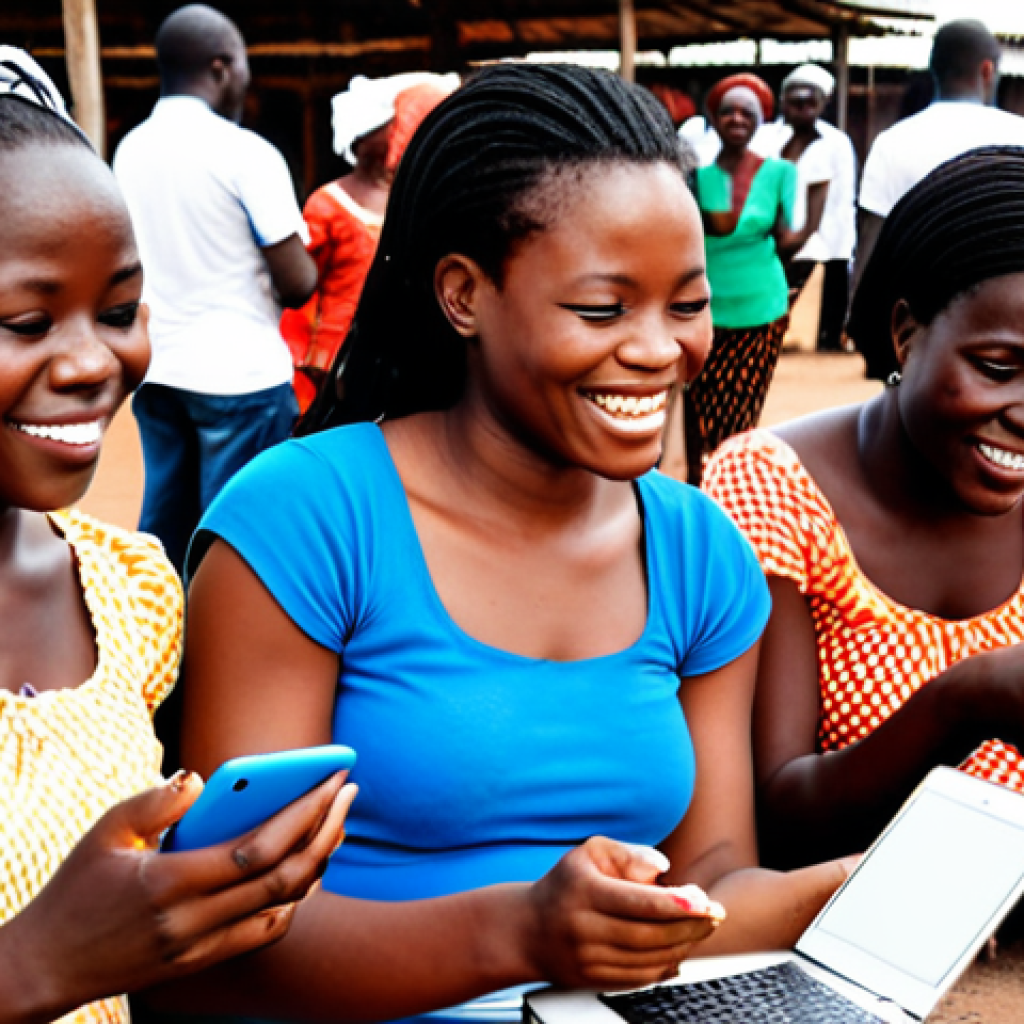
The use of mobile technology to provide education and connect women is booming, offering new paths to empowerment. Let’s delve deeper into understanding the nuances of this ongoing journey.
Let’s find out more in the article below!
Ivory Coast, a nation brimming with vibrant culture and resilience, faces a significant challenge: the fight for women’s rights. I’ve learned, through conversations with Ivorian friends and research into local NGOs, that while progress is being made, deeply ingrained societal norms often hinder true gender equality.
From access to education and healthcare to economic opportunities and political representation, women in Côte d’Ivoire continue to strive for a level playing field.
There is an increasing focus on combating gender-based violence and promoting women’s empowerment through education and legal reforms, aligning with global trends towards inclusive societies.
The use of mobile technology to provide education and connect women is booming, offering new paths to empowerment. Let’s delve deeper into understanding the nuances of this ongoing journey.
Let’s find out more in the article below!
Bridging the Educational Gap for Ivorian Girls
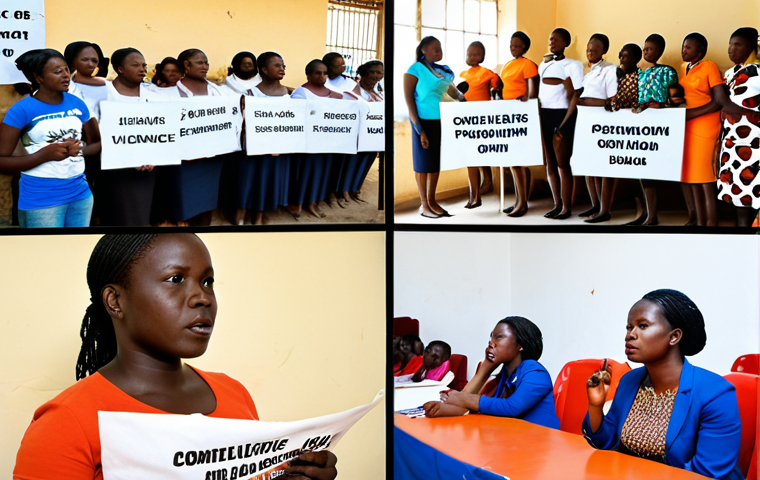
Education is often hailed as the great equalizer, but for girls in Côte d’Ivoire, systemic barriers persist. I remember visiting a rural community where the nearest school was miles away. The girls I spoke to often had to choose between attending school and helping with household chores or working in the fields. This reality is compounded by cultural norms that prioritize boys’ education, leading to lower enrollment and higher dropout rates for girls. However, grassroots initiatives are sprouting up, providing scholarships, transportation, and even childcare to support girls’ education. These programs not only address the logistical challenges but also work to shift cultural perceptions about the value of educating girls.
Tackling Socio-Economic Barriers
Poverty plays a significant role in hindering girls’ access to education. Families struggling to make ends meet may view education as a luxury they cannot afford, particularly for girls. Providing financial assistance, such as scholarships and stipends, can alleviate this burden and incentivize families to prioritize their daughters’ education. I’ve seen firsthand how even a small amount of financial support can make a world of difference in a girl’s life, enabling her to stay in school and pursue her dreams.
Promoting Gender-Sensitive Curricula
The content taught in schools can also perpetuate gender stereotypes and reinforce unequal power dynamics. A gender-sensitive curriculum challenges these biases and promotes critical thinking about gender roles. This includes incorporating female role models into textbooks, addressing issues of gender-based violence, and fostering a classroom environment where girls feel safe and empowered to express themselves. Such initiatives help to shape more equitable attitudes among both boys and girls.
Empowering Women Through Economic Opportunities
Economic independence is a cornerstone of women’s empowerment. When women have control over their own income, they are better able to make decisions about their lives and contribute to their families and communities. In Côte d’Ivoire, many women work in the informal sector, often in low-paying jobs with little job security. Providing women with access to financial resources, training, and markets can help them start and grow their own businesses, creating economic opportunities and improving their livelihoods. During my time volunteering with a microfinance organization, I witnessed how small loans could transform women’s lives, enabling them to become entrepreneurs and break free from poverty.
Microfinance Initiatives
Microfinance institutions play a crucial role in providing women with access to credit and savings services. These institutions often target women in rural areas who are excluded from traditional banking systems. By providing small loans, microfinance institutions enable women to start or expand their businesses, generate income, and improve their families’ well-being. In addition to financial services, many microfinance institutions also provide training and support to help women succeed in their businesses.
Skills Development and Vocational Training
Equipping women with relevant skills is essential for their economic empowerment. Vocational training programs can provide women with the skills they need to secure better-paying jobs or start their own businesses. These programs should be tailored to the specific needs of the local economy and should focus on areas where there is high demand for skilled labor. In addition to technical skills, women also need training in business management, marketing, and financial literacy to succeed as entrepreneurs.
Combating Gender-Based Violence: A Critical Imperative
Gender-based violence (GBV) remains a pervasive problem in Côte d’Ivoire, undermining women’s rights and well-being. GBV takes many forms, including domestic violence, sexual assault, and harmful traditional practices such as female genital mutilation. Addressing GBV requires a multi-faceted approach that includes legal reforms, awareness campaigns, and support services for survivors. I remember attending a community workshop where women shared their experiences of GBV and learned about their rights. These workshops provide a safe space for women to speak out and seek help.
Strengthening Legal Frameworks
Laws and policies that protect women from GBV are essential for creating a safe and just society. Côte d’Ivoire has made some progress in this area, but more needs to be done to strengthen legal frameworks and ensure that perpetrators are held accountable. This includes enacting laws that criminalize all forms of GBV, providing legal assistance to survivors, and training law enforcement and judicial officials to handle GBV cases sensitively and effectively. Creating specialized courts that understand the complexities of GBV can increase conviction rates and ensure justice for survivors.
Raising Awareness and Changing Attitudes
Changing attitudes about GBV is crucial for preventing it from happening in the first place. Awareness campaigns can help to challenge harmful gender stereotypes and promote respect for women’s rights. These campaigns should target men and boys as well as women and girls, emphasizing the importance of gender equality and non-violence. Engaging community leaders, religious leaders, and traditional healers in these campaigns can help to reach a wider audience and promote positive social change.
Amplifying Women’s Voices in Politics and Leadership
Women’s participation in politics and leadership is essential for ensuring that their voices are heard and their needs are addressed. In Côte d’Ivoire, women remain underrepresented in political institutions and decision-making bodies. This is due to a variety of factors, including discriminatory laws and practices, cultural norms that discourage women from entering politics, and a lack of resources and support for female candidates. Promoting women’s political participation requires addressing these barriers and creating an enabling environment for women to succeed in politics.
Promoting Quotas and Affirmative Action
Quotas and affirmative action measures can help to increase women’s representation in political institutions. These measures set targets or quotas for the number of women who should be elected or appointed to political positions. While quotas have been controversial in some contexts, they can be effective in breaking down barriers and ensuring that women have a seat at the table. However, quotas should be accompanied by other measures to support women’s political participation, such as training, mentoring, and financial assistance.
Building Capacity and Providing Support
Women who aspire to political leadership often face significant challenges, including a lack of resources, training, and support. Providing women with access to these resources can help them to overcome these challenges and succeed in politics. This includes offering training programs on leadership, public speaking, and campaign management, as well as providing financial assistance and mentoring opportunities. Supporting women’s political organizations can also help to create a network of support and solidarity.
Harnessing Technology for Women’s Empowerment
In an increasingly digital world, technology can be a powerful tool for women’s empowerment. Mobile phones, the internet, and social media can provide women with access to information, education, economic opportunities, and social networks. However, women in Côte d’Ivoire often face barriers to accessing and using technology, including a lack of digital literacy, limited access to infrastructure, and cultural norms that restrict women’s mobility and access to information. Addressing these barriers is essential for harnessing the full potential of technology for women’s empowerment.
Digital Literacy Training
Digital literacy is the ability to use technology effectively and safely. Many women in Côte d’Ivoire lack basic digital skills, which limits their ability to access and benefit from technology. Providing digital literacy training can help women to learn how to use mobile phones, computers, and the internet, as well as how to navigate online platforms and protect themselves from cyber threats. These training programs should be tailored to the specific needs of women and should be offered in accessible locations and formats.
Affordable Access to Technology
Affordable access to technology is essential for ensuring that women can participate in the digital economy. This includes providing access to affordable mobile phones, internet connectivity, and data plans. Governments and telecom companies can play a role in reducing the cost of technology by investing in infrastructure, promoting competition, and offering subsidized services to low-income users. Public-private partnerships can also be effective in expanding access to technology in rural areas.
The Role of Men and Boys in Advancing Gender Equality
Advancing gender equality is not just a women’s issue; it is a societal issue that requires the engagement of men and boys. Men and boys have a crucial role to play in challenging harmful gender stereotypes, promoting respectful relationships, and supporting women’s empowerment. This includes speaking out against GBV, advocating for gender equality in the workplace, and sharing household responsibilities. Engaging men and boys in gender equality initiatives can help to create a more equitable and just society for all.
Challenging Harmful Masculinities
Harmful masculinities are a set of beliefs and behaviors that define what it means to be a man in ways that are harmful to both men and women. These beliefs often emphasize dominance, aggression, and emotional repression. Challenging harmful masculinities requires promoting alternative models of masculinity that are based on respect, empathy, and equality. This includes encouraging men and boys to express their emotions, engage in caregiving activities, and reject violence in all its forms.
Promoting Male Allies
Male allies are men who actively support gender equality and advocate for women’s rights. Male allies can play a significant role in challenging sexism and discrimination in the workplace, in politics, and in everyday life. This includes speaking out against sexist jokes, supporting women’s career advancement, and advocating for policies that promote gender equality. Creating a network of male allies can help to amplify women’s voices and create a more inclusive and equitable society.
Tracking Progress and Measuring Impact
Measuring progress and impact is essential for ensuring that gender equality initiatives are effective and sustainable. This requires collecting data on key indicators such as women’s education levels, economic participation, political representation, and rates of GBV. This data should be disaggregated by sex, age, and other relevant factors to identify disparities and track progress over time. Regular evaluations of gender equality initiatives can help to identify what works and what doesn’t, and to make adjustments as needed.
Here’s a table summarizing key areas and initiatives for women’s rights in Côte d’Ivoire:
| Area | Challenges | Initiatives |
|---|---|---|
| Education | Low enrollment, high dropout rates, cultural biases | Scholarships, gender-sensitive curricula, safe learning environments |
| Economic Empowerment | Limited access to finance, skills gaps, informal sector employment | Microfinance, vocational training, business development support |
| Gender-Based Violence | High rates of domestic violence, sexual assault, harmful practices | Legal reforms, awareness campaigns, survivor support services |
| Political Participation | Underrepresentation, discriminatory laws, lack of resources | Quotas, affirmative action, capacity building |
| Technology | Digital literacy gaps, access barriers, online safety concerns | Digital literacy training, affordable access, cybersecurity awareness |
Ivory Coast, a nation brimming with vibrant culture and resilience, faces a significant challenge: the fight for women’s rights. I’ve learned, through conversations with Ivorian friends and research into local NGOs, that while progress is being made, deeply ingrained societal norms often hinder true gender equality.
From access to education and healthcare to economic opportunities and political representation, women in Côte d’Ivoire continue to strive for a level playing field.
There is an increasing focus on combating gender-based violence and promoting women’s empowerment through education and legal reforms, aligning with global trends towards inclusive societies.
The use of mobile technology to provide education and connect women is booming, offering new paths to empowerment. Let’s delve deeper into understanding the nuances of this ongoing journey.
Let’s find out more in the article below!
Bridging the Educational Gap for Ivorian Girls
Education is often hailed as the great equalizer, but for girls in Côte d’Ivoire, systemic barriers persist. I remember visiting a rural community where the nearest school was miles away. The girls I spoke to often had to choose between attending school and helping with household chores or working in the fields. This reality is compounded by cultural norms that prioritize boys’ education, leading to lower enrollment and higher dropout rates for girls. However, grassroots initiatives are sprouting up, providing scholarships, transportation, and even childcare to support girls’ education. These programs not only address the logistical challenges but also work to shift cultural perceptions about the value of educating girls.
Tackling Socio-Economic Barriers
Poverty plays a significant role in hindering girls’ access to education. Families struggling to make ends meet may view education as a luxury they cannot afford, particularly for girls. Providing financial assistance, such as scholarships and stipends, can alleviate this burden and incentivize families to prioritize their daughters’ education. I’ve seen firsthand how even a small amount of financial support can make a world of difference in a girl’s life, enabling her to stay in school and pursue her dreams.
Promoting Gender-Sensitive Curricula
The content taught in schools can also perpetuate gender stereotypes and reinforce unequal power dynamics. A gender-sensitive curriculum challenges these biases and promotes critical thinking about gender roles. This includes incorporating female role models into textbooks, addressing issues of gender-based violence, and fostering a classroom environment where girls feel safe and empowered to express themselves. Such initiatives help to shape more equitable attitudes among both boys and girls.
Empowering Women Through Economic Opportunities
Economic independence is a cornerstone of women’s empowerment. When women have control over their own income, they are better able to make decisions about their lives and contribute to their families and communities. In Côte d’Ivoire, many women work in the informal sector, often in low-paying jobs with little job security. Providing women with access to financial resources, training, and markets can help them start and grow their own businesses, creating economic opportunities and improving their livelihoods. During my time volunteering with a microfinance organization, I witnessed how small loans could transform women’s lives, enabling them to become entrepreneurs and break free from poverty.
Microfinance Initiatives
Microfinance institutions play a crucial role in providing women with access to credit and savings services. These institutions often target women in rural areas who are excluded from traditional banking systems. By providing small loans, microfinance institutions enable women to start or expand their businesses, generate income, and improve their families’ well-being. In addition to financial services, many microfinance institutions also provide training and support to help women succeed in their businesses.
Skills Development and Vocational Training
Equipping women with relevant skills is essential for their economic empowerment. Vocational training programs can provide women with the skills they need to secure better-paying jobs or start their own businesses. These programs should be tailored to the specific needs of the local economy and should focus on areas where there is high demand for skilled labor. In addition to technical skills, women also need training in business management, marketing, and financial literacy to succeed as entrepreneurs.
Combating Gender-Based Violence: A Critical Imperative
Gender-based violence (GBV) remains a pervasive problem in Côte d’Ivoire, undermining women’s rights and well-being. GBV takes many forms, including domestic violence, sexual assault, and harmful traditional practices such as female genital mutilation. Addressing GBV requires a multi-faceted approach that includes legal reforms, awareness campaigns, and support services for survivors. I remember attending a community workshop where women shared their experiences of GBV and learned about their rights. These workshops provide a safe space for women to speak out and seek help.
Strengthening Legal Frameworks
Laws and policies that protect women from GBV are essential for creating a safe and just society. Côte d’Ivoire has made some progress in this area, but more needs to be done to strengthen legal frameworks and ensure that perpetrators are held accountable. This includes enacting laws that criminalize all forms of GBV, providing legal assistance to survivors, and training law enforcement and judicial officials to handle GBV cases sensitively and effectively. Creating specialized courts that understand the complexities of GBV can increase conviction rates and ensure justice for survivors.
Raising Awareness and Changing Attitudes
Changing attitudes about GBV is crucial for preventing it from happening in the first place. Awareness campaigns can help to challenge harmful gender stereotypes and promote respect for women’s rights. These campaigns should target men and boys as well as women and girls, emphasizing the importance of gender equality and non-violence. Engaging community leaders, religious leaders, and traditional healers in these campaigns can help to reach a wider audience and promote positive social change.
Amplifying Women’s Voices in Politics and Leadership
Women’s participation in politics and leadership is essential for ensuring that their voices are heard and their needs are addressed. In Côte d’Ivoire, women remain underrepresented in political institutions and decision-making bodies. This is due to a variety of factors, including discriminatory laws and practices, cultural norms that discourage women from entering politics, and a lack of resources and support for female candidates. Promoting women’s political participation requires addressing these barriers and creating an enabling environment for women to succeed in politics.
Promoting Quotas and Affirmative Action
Quotas and affirmative action measures can help to increase women’s representation in political institutions. These measures set targets or quotas for the number of women who should be elected or appointed to political positions. While quotas have been controversial in some contexts, they can be effective in breaking down barriers and ensuring that women have a seat at the table. However, quotas should be accompanied by other measures to support women’s political participation, such as training, mentoring, and financial assistance.
Building Capacity and Providing Support
Women who aspire to political leadership often face significant challenges, including a lack of resources, training, and support. Providing women with access to these resources can help them to overcome these challenges and succeed in politics. This includes offering training programs on leadership, public speaking, and campaign management, as well as providing financial assistance and mentoring opportunities. Supporting women’s political organizations can also help to create a network of support and solidarity.
Harnessing Technology for Women’s Empowerment
In an increasingly digital world, technology can be a powerful tool for women’s empowerment. Mobile phones, the internet, and social media can provide women with access to information, education, economic opportunities, and social networks. However, women in Côte d’Ivoire often face barriers to accessing and using technology, including a lack of digital literacy, limited access to infrastructure, and cultural norms that restrict women’s mobility and access to information. Addressing these barriers is essential for harnessing the full potential of technology for women’s empowerment.
Digital Literacy Training
Digital literacy is the ability to use technology effectively and safely. Many women in Côte d’Ivoire lack basic digital skills, which limits their ability to access and benefit from technology. Providing digital literacy training can help women to learn how to use mobile phones, computers, and the internet, as well as how to navigate online platforms and protect themselves from cyber threats. These training programs should be tailored to the specific needs of women and should be offered in accessible locations and formats.
Affordable Access to Technology
Affordable access to technology is essential for ensuring that women can participate in the digital economy. This includes providing access to affordable mobile phones, internet connectivity, and data plans. Governments and telecom companies can play a role in reducing the cost of technology by investing in infrastructure, promoting competition, and offering subsidized services to low-income users. Public-private partnerships can also be effective in expanding access to technology in rural areas.
The Role of Men and Boys in Advancing Gender Equality
Advancing gender equality is not just a women’s issue; it is a societal issue that requires the engagement of men and boys. Men and boys have a crucial role to play in challenging harmful gender stereotypes, promoting respectful relationships, and supporting women’s empowerment. This includes speaking out against GBV, advocating for gender equality in the workplace, and sharing household responsibilities. Engaging men and boys in gender equality initiatives can help to create a more equitable and just society for all.
Challenging Harmful Masculinities
Harmful masculinities are a set of beliefs and behaviors that define what it means to be a man in ways that are harmful to both men and women. These beliefs often emphasize dominance, aggression, and emotional repression. Challenging harmful masculinities requires promoting alternative models of masculinity that are based on respect, empathy, and equality. This includes encouraging men and boys to express their emotions, engage in caregiving activities, and reject violence in all its forms.
Promoting Male Allies
Male allies are men who actively support gender equality and advocate for women’s rights. Male allies can play a significant role in challenging sexism and discrimination in the workplace, in politics, and in everyday life. This includes speaking out against sexist jokes, supporting women’s career advancement, and advocating for policies that promote gender equality. Creating a network of male allies can help to amplify women’s voices and create a more inclusive and equitable society.
Tracking Progress and Measuring Impact
Measuring progress and impact is essential for ensuring that gender equality initiatives are effective and sustainable. This requires collecting data on key indicators such as women’s education levels, economic participation, political representation, and rates of GBV. This data should be disaggregated by sex, age, and other relevant factors to identify disparities and track progress over time. Regular evaluations of gender equality initiatives can help to identify what works and what doesn’t, and to make adjustments as needed.
Here’s a table summarizing key areas and initiatives for women’s rights in Côte d’Ivoire:
| Area | Challenges | Initiatives |
|---|---|---|
| Education | Low enrollment, high dropout rates, cultural biases | Scholarships, gender-sensitive curricula, safe learning environments |
| Economic Empowerment | Limited access to finance, skills gaps, informal sector employment | Microfinance, vocational training, business development support |
| Gender-Based Violence | High rates of domestic violence, sexual assault, harmful practices | Legal reforms, awareness campaigns, survivor support services |
| Political Participation | Underrepresentation, discriminatory laws, lack of resources | Quotas, affirmative action, capacity building |
| Technology | Digital literacy gaps, access barriers, online safety concerns | Digital literacy training, affordable access, cybersecurity awareness |
In Closing
The journey towards achieving full gender equality in Côte d’Ivoire is ongoing, requiring the collective efforts of individuals, communities, and policymakers. While challenges remain, the dedication to empowering women is evident in the grassroots initiatives and legal reforms taking place. By continuing to support these efforts, we can help create a more equitable and just society for all Ivorians.
Good to Know
1. The official currency in Côte d’Ivoire is the West African CFA franc (XOF). Knowing the current exchange rate against your local currency can be helpful for planning travel or understanding economic discussions.
2. When visiting, be aware of local customs, such as greeting elders with respect and dressing modestly when visiting religious sites. Showing respect for Ivorian culture will greatly enhance your experience.
3. Abidjan, the economic capital, offers a mix of modern amenities and traditional markets. Check out the Plateau district for business and administrative buildings, and Cocody for residential areas and embassies.
4. If you’re interested in supporting local businesses, look for artisanal products like wood carvings, textiles, and coffee. Purchasing directly from artisans helps support their livelihoods and preserve cultural traditions.
5. Learn a few basic French phrases. While English is spoken in some areas, French is the official language, and knowing some key phrases will be useful for navigating daily life.
Key Takeaways
The fight for women’s rights in Côte d’Ivoire is complex, encompassing education, economic empowerment, combating gender-based violence, and political participation. Addressing these areas requires a multi-faceted approach that includes legal reforms, awareness campaigns, and community-based initiatives. Engaging men and boys as allies is crucial for challenging harmful stereotypes and creating a more equitable society. Harnessing technology for women’s empowerment can open up new opportunities for education, economic advancement, and social connections.
Frequently Asked Questions (FAQ) 📖
Q: What are some of the biggest obstacles to achieving gender equality for women in Côte d’Ivoire?
A: Based on what I’ve gathered, a big piece of it is the strong grip of traditional social norms that often place women in subordinate roles. This can affect everything from access to education and healthcare to economic opportunities and participation in politics.
Plus, unfortunately, gender-based violence remains a significant problem. It’s a tough cycle to break.
Q: What are some ways that Côte d’Ivoire is actively working towards improving women’s rights and empowerment?
A: Well, it’s encouraging to see that there’s a growing emphasis on education and legal reforms aimed at empowering women. I’ve read about efforts to combat gender-based violence, and there’s also a cool trend of using mobile technology to provide education and connect women.
It’s like giving them a digital leg up to navigate challenges and seize opportunities. It’s not a quick fix, but it’s a step in the right direction.
Q: How does the situation in Côte d’Ivoire compare to global efforts to promote women’s rights?
A: From what I understand, the push for gender equality in Côte d’Ivoire aligns with broader global trends towards creating more inclusive societies. The efforts to improve access to education, healthcare, and economic opportunities for women are issues that are being tackled worldwide.
I think Côte d’Ivoire’s focus on using technology to empower women is particularly interesting and could offer valuable lessons for other countries facing similar challenges.
It’s a connected world, and it’s inspiring to see nations learning from each other.
📚 References
Wikipedia Encyclopedia
구글 검색 결과
구글 검색 결과
구글 검색 결과
구글 검색 결과
구글 검색 결과