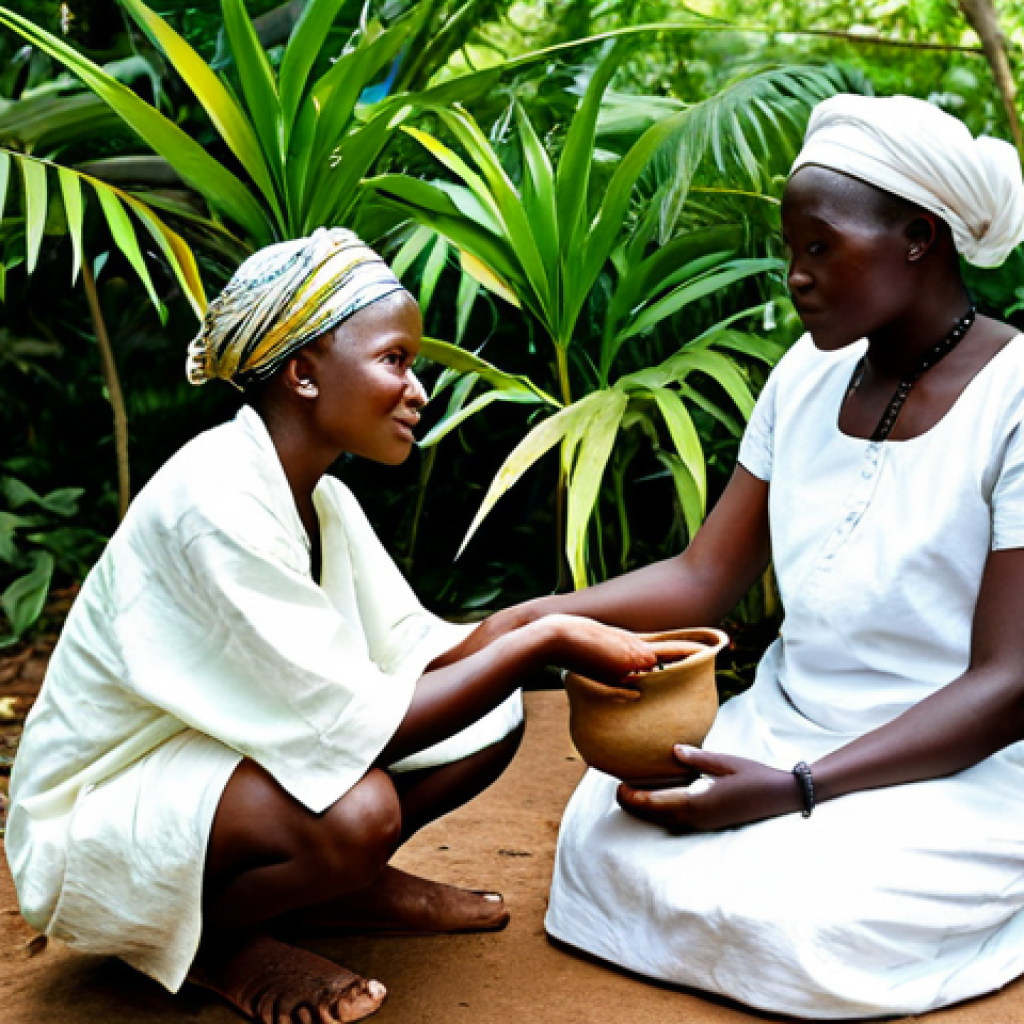
Stepping off the plane in Abidjan, the air hits you – thick with humidity, yes, but also with an almost palpable sense of history and deep-rooted tradition that hums beneath the vibrant surface.
It wasn’t long before I noticed the subtle, yet pervasive, presence of traditional healing practices; walking through a bustling market in Treichville, you might catch the distinct scent of dried leaves and barks, a testament to the enduring power of local remedies.
For generations, these practices haven’t just been about curing ailments; they’re woven into the very fabric of Ivorian society, passed down through oral traditions, embodying a holistic approach to well-being that often eludes Western medicine.
I found myself utterly captivated by the resilience and ingenuity of these methods, a stark contrast to the often sterile approach of modern healthcare.
There’s a fascinating cross-current happening now, where global interest in natural, sustainable health solutions is bringing renewed attention – and even scientific curiosity – to these ancient practices.
Yet, this ancient wisdom faces modern challenges: deforestation threatens the very plants they rely on, and the younger generation, drawn to urban life, might lose touch with these invaluable practices.
There’s also the delicate balance of preserving indigenous knowledge while exploring its potential integration with conventional healthcare systems, raising complex questions about intellectual property and equitable benefit-sharing.
Imagine a future where Ivorian traditional healers work alongside modern doctors, a true synergy of ancient wisdom and contemporary science. It’s not just a pipe dream; there are active dialogues and initiatives aimed at documenting, preserving, and even responsibly commercializing these remedies, ensuring both cultural preservation and economic benefit for local communities, always with an eye on sustainability and ethical practice.
Let’s delve deeper below.
The Enduring Tapestry of Traditional Healers
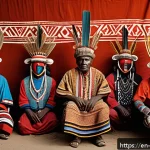
What truly captivated me during my time in Abidjan was the profound respect for the “Komian” or traditional healers, often elders who are not merely practitioners but revered custodians of ancient wisdom.
It’s not just about a quick fix for an ailment; it’s a holistic approach that acknowledges the intricate connection between the physical body, the spiritual realm, and the community.
I remember a conversation with a woman in Yopougon who spoke of her Komian not just as a doctor, but as a spiritual guide who helped her navigate life’s challenges, believing that many physical discomforts manifest from an imbalance within oneself or one’s environment.
This deep-seated belief system underscores every treatment, every ritual, making it a far richer experience than a sterile visit to a modern clinic. The air in their consultation spaces, often simple, open-air enclosures, carries a scent of purpose and tradition, blending herbal aromas with an almost palpable sense of generational knowledge.
1. Guardians of Ancestral Knowledge
These healers undergo years, sometimes decades, of rigorous training, often as apprentices to established Komians, inheriting secrets passed down through generations.
My friend, a local artist, explained that this isn’t just memorizing remedies; it’s about learning to “listen” to the plants, to interpret signs from nature, and to understand the specific energies of individuals.
It’s a living library, incredibly rich and complex, where a cough isn’t just a cough but a symptom that might point to a spiritual imbalance or an environmental factor.
They learn to identify hundreds of plants, their uses, their preparation, and even the precise time of day to harvest them for maximum potency. It’s truly fascinating how this extensive knowledge is preserved and transmitted without formal written texts, solely through oral tradition and practical application.
2. The Ceremonial Heart of Healing
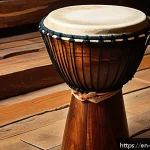
Beyond the direct application of herbs, many traditional healing practices involve ceremonies, rituals, and even drumming, which are believed to cleanse negative energies and invoke positive forces.
I witnessed a small, private cleansing ceremony near a sacred tree, and the energy was palpable. The rhythmic chants and the purposeful movements of the healer created an atmosphere of deep reverence and spiritual focus.
It truly felt like a profound connection to something ancient and powerful, far removed from the analytical, detached approach of modern medicine. These rituals aren’t just symbolic; for many Ivorians, they are an integral part of the healing process, addressing spiritual distress that Western medicine often overlooks.
The Green Pharmacy: Nature’s Bounty
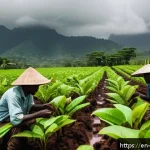
The sheer diversity of flora in Côte d’Ivoire is astounding, and traditional healers have, for centuries, harnessed this natural wealth to create powerful remedies.
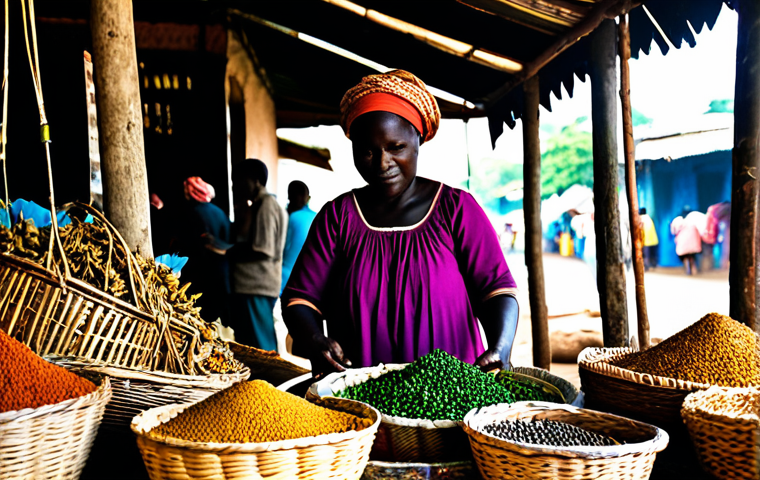
Walking through the lively markets, my senses were overwhelmed by the vibrant colors and earthy scents of countless dried leaves, barks, roots, and seeds.
It struck me how every part of a plant, from its leaves to its deep roots, could hold medicinal properties. I vividly recall watching a vendor meticulously sort through piles of “Garcinia kola” (bitter kola), explaining its use for coughs and respiratory issues, a staple in many local homes.
It’s a stark reminder that before pharmacies lined every street, humanity relied solely on the earth’s pharmacy, and in Abidjan, that pharmacy is still thriving.
1. Common Herbal Remedies and Their Uses
I learned about several common plants used in daily life, not just for illness but for general well-being. For example, “neem” (Azadirachta indica) leaves are widely used for their anti-malarial and antiseptic properties, often brewed into a potent tea.
“Moringa oleifera,” a superfood gaining global recognition, has long been a staple here for its nutritional value and ability to boost immunity. The preparation methods are often simple yet precise: decoctions, infusions, poultices, or even simply chewing on a fresh leaf.
What’s compelling is the communal knowledge surrounding these plants; almost everyone I spoke with could name at least a few common remedies passed down from their grandmothers.
2. From Forest to Family: Sustainable Harvesting
The challenge, as some elders explained, is ensuring these precious resources are harvested sustainably. Many healers understand the delicate balance of the ecosystem and practice responsible collection, often replanting or only taking what is absolutely necessary.
However, with increasing deforestation and urban expansion, access to wild-growing medicinal plants is becoming more difficult, leading to concerns about the future of this green pharmacy.
This shift necessitates initiatives for cultivating medicinal gardens and educating younger generations on sustainable practices, ensuring that the source of their healing wisdom doesn’t disappear.
Bridging Worlds: Tradition Meets Modern Healthcare
The conversation around integrating traditional Ivorian healing with Western medicine is fascinating and complex. It’s not about one replacing the other, but exploring how they can complement each other for a more comprehensive approach to health.
I encountered several stories of individuals who successfully combined both, for instance, consulting a Komian for chronic pain that conventional doctors couldn’t diagnose, while still relying on modern medicine for acute infections.
It’s a pragmatic approach, born from a desire for effective healing, regardless of its origin. This blending, however, raises critical questions about documentation, standardization, and ethical collaboration.
1. Initiatives for Integration and Recognition
There are growing efforts by organizations and even the Ivorian Ministry of Health to document traditional medicinal practices and validate their efficacy through scientific research.
This process is slow but crucial, as it builds trust and provides evidence that could lead to wider acceptance and integration into national healthcare systems.
I spoke with a young researcher in Cocody who was working on cataloging traditional plant uses, hoping to bridge the gap between empirical observation and scientific methodology.
This push for formal recognition is vital for the future survival and respect of these ancient practices.
2. Challenges and Ethical Considerations
However, integrating these systems isn’t without its hurdles. Issues like dosage standardization, quality control, and potential drug interactions with modern pharmaceuticals need careful consideration.
There’s also the delicate balance of preserving intellectual property rights for indigenous knowledge, ensuring that any commercialization benefits the communities from which the knowledge originated, rather than exploiting them.
It truly requires a respectful and equitable dialogue between diverse medical paradigms, fostering mutual understanding and collaboration over appropriation.
My Personal Encounters and Reflections
Stepping into the world of traditional Ivorian healing was, for me, a profoundly humbling and eye-opening experience. It challenged my Western-centric views on health and well-being, forcing me to consider broader dimensions of healing that extend beyond just the physical.
I didn’t personally undergo any intense traditional treatments, but simply observing and engaging with the community transformed my understanding. The respect for elders, the connection to nature, and the emphasis on spiritual harmony all resonated deeply, leaving an indelible mark on my perspective.
1. A Sense of Community and Belonging
What struck me most was the strong communal aspect of traditional healing. Unlike the often solitary experience of visiting a doctor in a Western context, here, healing felt like a community affair.
Family members are often involved, rituals are sometimes performed in public spaces, and the healer acts as a focal point for communal well-being. This collective support system itself felt like a powerful healing force, fostering a sense of belonging and shared responsibility for health.
It’s a stark contrast to the individualistic approach dominant in many other cultures.
2. Relearning Respect for Nature
My journey through the traditional markets and conversations with local herbalists instilled in me a renewed appreciation for nature’s incredible power.
It’s easy to forget, in our modern world of synthetic drugs, that the very first medicines came from the earth around us. Seeing how meticulously Ivorians still rely on and respect these natural resources was a powerful lesson.
It made me reflect on my own consumption habits and the importance of sustainability, not just for the environment, but for the preservation of invaluable traditional knowledge systems worldwide.
Sustaining the Sacred: Preservation and Modernity
The future of traditional Ivorian healing hinges on a delicate balance: preserving its ancient essence while adapting to the realities of a rapidly changing world.
It’s a race against time, as urban migration pulls younger generations away from traditional villages, and globalization introduces new ways of thinking and living.
Yet, there’s a strong undercurrent of determination among cultural preservationists and traditional practitioners to ensure this rich heritage doesn’t fade into oblivion.
1. Education and Intergenerational Transfer
Crucial to preservation is the effective transfer of knowledge from elders to younger generations. This isn’t just about formal education; it’s about apprenticeships, storytelling, and practical engagement.
Some communities are actively creating programs to teach children about medicinal plants and traditional practices, ensuring that the oral traditions continue.
It’s beautiful to witness young people learning from their grandparents, not just through rote memorization, but through active participation in harvesting and preparation.
2. The Role of Technology and Documentation
Paradoxically, modern technology can play a vital role in preserving these ancient practices. Digital documentation, ethnobotanical databases, and even online platforms can help record and share this invaluable knowledge, preventing it from being lost.
However, this must be done responsibly, with full consent from the traditional knowledge holders and safeguards against exploitation. Imagine virtual archives where the wisdom of countless generations is preserved for future study, accessible to those who seek to learn and respect it.
| Common Ivorian Medicinal Plant | Traditional Uses | Notes/Significance |
|---|---|---|
| Neem (Azadirachta indica) | Malaria treatment, fever, antiseptic, skin conditions | Widely used; leaves often boiled for tea or bath |
| Moringa (Moringa oleifera) | Nutritional supplement, immunity booster, anti-inflammatory | “Miracle tree”; leaves added to food or brewed as tea |
| Garcinia kola (Bitter Kola) | Coughs, respiratory issues, anti-inflammatory | Chewed raw; culturally significant in many rituals |
| Aloe Vera | Skin burns, digestive issues, hair care | Popular for both internal and external application |
| Soursop (Annona muricata) | Fever, anti-parasitic, some anti-cancer claims (research ongoing) | Leaves brewed as tea; fruit is also consumed |
Economic Empowerment Through Traditional Practices
Beyond health benefits, traditional healing practices in Côte d’Ivoire also represent a significant, albeit often informal, economic sector. The cultivation, harvesting, and sale of medicinal plants provide livelihoods for countless individuals and families, particularly in rural areas.
This economic dimension is crucial for the sustainability of these practices, as it provides a tangible incentive for communities to maintain their knowledge and traditions.
It’s a powerful example of how local resources, when managed ethically, can foster self-reliance and community wealth.
1. Local Markets and Herbal Commerce
The vibrant local markets are the epicenter of this economic activity. From small, family-run stalls to larger distributors, these markets facilitate the exchange of medicinal plants and prepared remedies.
For many women, selling these herbs is their primary source of income, allowing them to support their families and contribute to the local economy. It’s a testament to the informal yet robust commercial ecosystem built around traditional health.
2. Sustainable Enterprise and Fair Trade
There’s growing interest in developing sustainable enterprises around traditional Ivorian medicinal plants, perhaps through fair trade initiatives that ensure local communities receive equitable benefits.
This involves not only cultivating and processing the plants but also packaging and marketing them in a way that respects their cultural origins while meeting modern quality standards.
Imagine locally-produced herbal remedies, ethically sourced and fairly traded, reaching a global market – a true win-win for both cultural preservation and economic development.
This potential future offers a beacon of hope for many communities.
Conclusion
My journey through the world of traditional Ivorian healing truly opened my eyes to a profound and enduring system of wisdom. It’s more than just remedies; it’s a living testament to humanity’s intricate connection with nature, spirituality, and community.
Witnessing the deep respect for ancestral knowledge and the holistic approach to well-being was a humbling experience that challenged my own preconceptions.
This vibrant tapestry of tradition, while facing modern challenges, undeniably continues to offer invaluable lessons on health, harmony, and the enduring power of human connection.
Useful Information
1. When engaging with traditional healers or practices in Côte d’Ivoire, always approach with deep respect for local customs, beliefs, and the generational knowledge being shared. Patience and an open mind are key.
2. Understand that traditional Ivorian healing often integrates spiritual, communal, and physical elements. It’s a holistic perspective where ailments can be seen as imbalances not just of the body, but of one’s spirit or environment.
3. If you’re interested in learning more or seeking remedies, reliable sources are often found through trusted local guides or community elders who can recommend reputable Komians or herbalists.
4. When purchasing herbal remedies from local markets, consider the sustainability aspects. Inquire about how plants are harvested to ensure you’re supporting practices that protect the natural resources for future generations.
5. Remember that traditional healing is a deeply cultural practice. While some remedies may align with scientific understanding, others are rooted in specific spiritual or philosophical frameworks that are integral to their efficacy within the local context.
Key Takeaways
The traditional healing practices in Côte d’Ivoire showcase a deep reverence for ancestral knowledge, a holistic approach to well-being that integrates mind, body, and spirit, and an profound reliance on nature’s bounty.
These practices are sustained by intergenerational transfer of wisdom, facing both challenges and opportunities for integration with modern healthcare.
Their preservation is crucial, not just for cultural heritage, but for the valuable insights they offer into comprehensive human health and sustainable living.
Frequently Asked Questions (FAQ) 📖
Q: How are traditional Ivorian healing practices being viewed and perhaps even re-evaluated in today’s world, especially with a growing global interest in natural health solutions?
A: It’s truly fascinating to witness the shift. When I was there, it felt like these age-old practices, once perhaps overlooked by the mainstream or even dismissed, are now experiencing a genuine renaissance.
There’s this palpable wave of global curiosity around natural, sustainable health solutions, and it’s casting a new, appreciative light on indigenous wisdom like that found in Abidjan.
You see, it’s not just a passing trend; serious scientific interest is emerging, seeking to understand the efficacy of these remedies that have stood the test of time for generations.
It really underscores how much we in the West, with our often hyper-specialized and sometimes disconnected medical systems, can learn from a holistic approach that views health as a harmony of body, mind, and spirit – something these Ivorian healers have understood for centuries.
It’s like the world is finally catching up to what they’ve always known.
Q: What are some of the most significant modern challenges threatening the continuity and survival of these valuable ancient healing traditions in Côte d’Ivoire?
A: From what I gathered, it’s a multi-faceted battle, and honestly, some of it is quite heartbreaking to observe. One of the most immediate threats is environmental: deforestation.
These practices rely heavily on specific plants, barks, and leaves, and if their natural habitats are destroyed, the remedies themselves are at risk. It’s a direct assault on their pharmacy.
Then there’s the generational gap. The younger folks, understandably drawn to the opportunities and hustle of urban life, sometimes lose touch with these invaluable oral traditions passed down through elders.
It’s a slow erosion of knowledge. And beyond that, there’s the incredibly complex tightrope walk of how to preserve this indigenous knowledge without it being exploited, especially if it starts attracting commercial interest.
Questions about intellectual property and ensuring equitable benefit-sharing for the communities who stewarded this knowledge for so long are absolutely critical and, frankly, quite tricky to navigate fairly.
Q: What does the future hold for Ivorian traditional healing, particularly regarding its potential integration with conventional healthcare systems? Is a true synergy possible?
A: The idea of a true synergy between ancient Ivorian wisdom and modern medical science isn’t just a hopeful whisper; it’s becoming an active, vibrant dialogue.
I heard about some really exciting initiatives that are moving beyond just ‘imagining’ a future where Ivorian traditional healers work alongside modern doctors.
People are actually making it happen! There’s a concerted effort to document these practices, which is crucial for preservation, especially with the oral tradition facing challenges.
Beyond that, there’s exploration into responsibly commercializing some of these remedies, always with a sharp eye on sustainability and ethical practice.
The goal is to ensure both the cultural preservation of this incredible heritage and to create tangible economic benefits for the local communities who are its custodians.
It’s an ambitious path, full of challenges like ensuring fair trade and respecting traditional intellectual property, but the potential for a healthcare model that truly integrates the best of both worlds—ancient and modern—is incredibly exciting and feels genuinely achievable.
📚 References
Wikipedia Encyclopedia
구글 검색 결과
구글 검색 결과
구글 검색 결과
구글 검색 결과
구글 검색 결과