Stepping into a traditional market in Côte d’Ivoire is an experience that truly awakens all your senses, a vibrant tapestry of sounds, sights, and scents you won’t soon forget.
I still vividly recall the aroma of exotic spices mingling with the sweet notes of tropical fruits the first time I explored one; it was absolutely captivating and truly an immersion into the very heart of Ivorian culture!
Beyond just finding unique souvenirs, these bustling hubs offer a genuine glimpse into daily life, and trust me, they’re treasure troves for authentic finds that tell a story you’ll want to take home.
But navigating them can feel a little overwhelming at first, and knowing what truly unique items to look for makes all the difference. So, if you’re ready to dive deep into the rich shopping scene and discover those must-have Ivorian gems, let’s get you prepared with the ultimate shopping list and insider tips!
Unearthing Local Treasures: What to Keep Your Eyes Peeled For
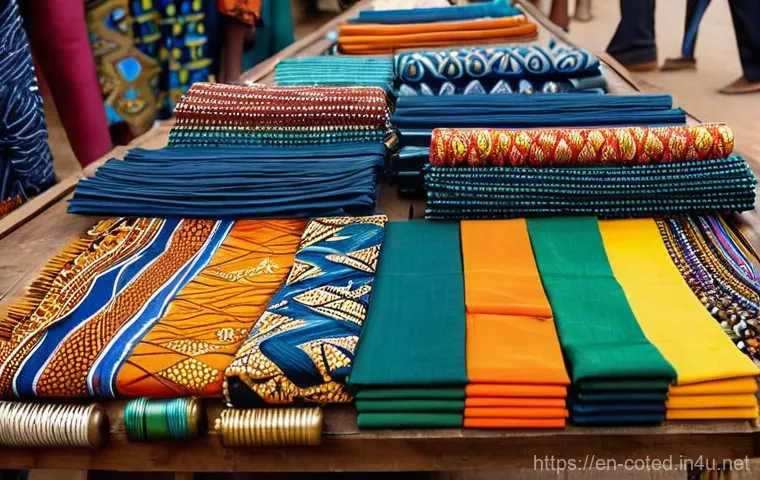
When you step into a market here in Côte d’Ivoire, it’s like diving headfirst into a vibrant treasure hunt. Forget the usual touristy trinkets; what you’re really after are those special, handmade items that tell a story, pieces that carry the spirit of Ivorian artistry. I remember my first time, feeling a bit overwhelmed by the sheer volume of dazzling goods, but once I honed my focus, the true gems started to emerge. It’s all about looking beyond the surface and appreciating the craftsmanship. These aren’t just souvenirs; they’re cultural artifacts, and you’ll find everything from intricately carved wooden figures that seem to whisper ancient tales to stunning textiles bursting with color and pattern. Don’t rush; take your time to really inspect the quality and feel the connection to the artisans who poured their hearts into creating them. It’s a shopping experience that feels deeply personal and incredibly rewarding, far more than just picking up something off a shelf. You’ll truly feel like you’re bringing a piece of Ivorian soul back home with you.
The Allure of Artisan Crafts: Wood Carvings and Sculptures
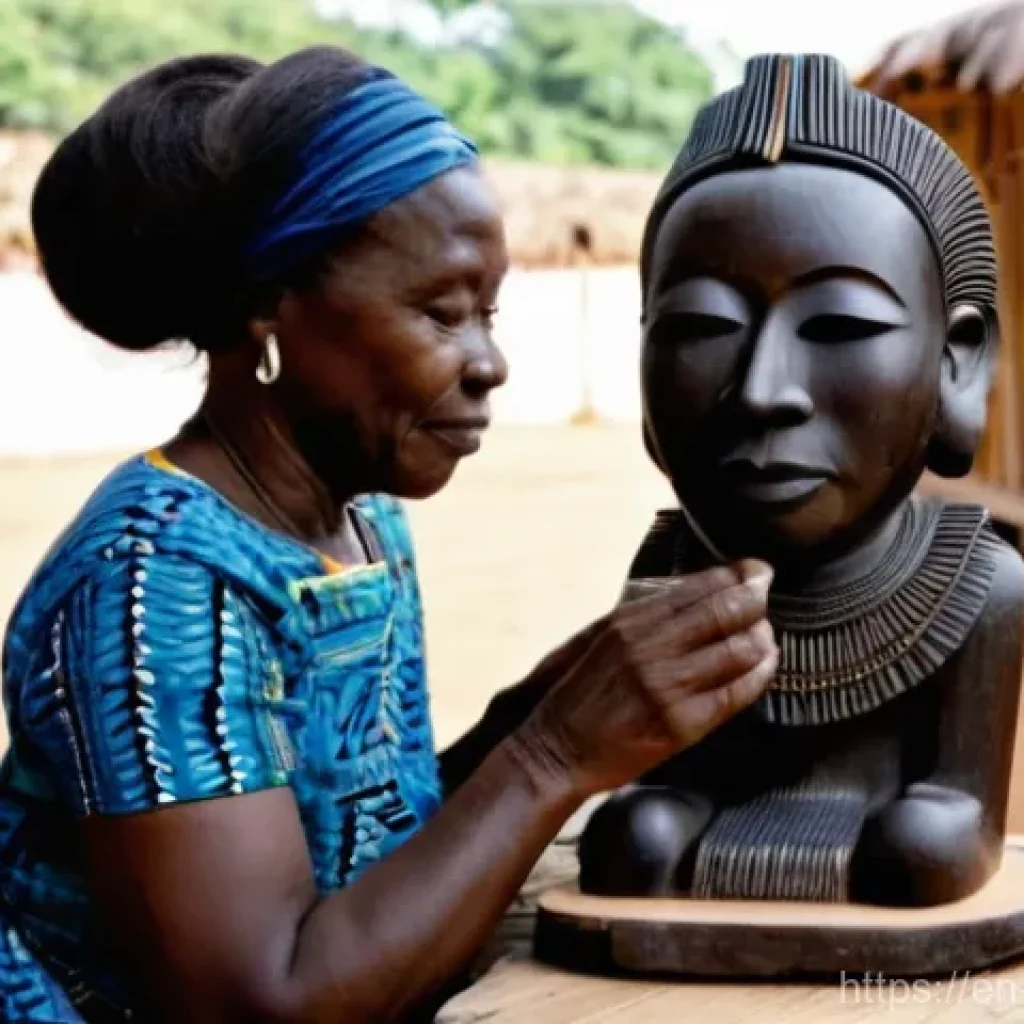
There’s something truly mesmerizing about the wood carvings you find in Ivorian markets. From the moment I first laid eyes on a Senufo Poro mask, I was hooked. Each piece feels like it has a living history embedded within its grains, often depicting ancestral spirits, fertility symbols, or animals that hold deep cultural significance. You’ll see beautiful Baoulé figures, some small enough to fit in your palm, others towering and majestic, each with unique facial features and intricate details that reveal the carver’s skill. I always recommend asking about the story behind a piece; it not only enriches your understanding but also opens up a genuine connection with the vendor. I found that some of the most striking pieces are not always the flashiest, but those with a quiet elegance and a palpable sense of tradition. These carvings aren’t just decorative; they are reflections of a rich spiritual and cultural heritage, and owning one feels like holding a piece of that legacy.
Textile Tales: A Kaleidoscope of Fabrics and Adornments
If you’re anything like me, the vibrant textiles will completely captivate you. The markets are an explosion of color and texture, from the iconic pagne (wax print fabric) with its bold, graphic designs to the more understated, hand-dyed indigos. I absolutely adore the feel of quality cotton in these fabrics, and the patterns often carry hidden meanings or tell traditional stories. Beyond the fabrics themselves, you’ll discover stunning handcrafted jewelry. Think chunky, beaded necklaces, intricate bracelets made from brass or recycled materials, and delicate earrings that shimmer with every movement. I once spent an entire afternoon just sifting through piles of fabric, imagining all the beautiful dresses or home decor items I could create. It’s a sensory overload in the best possible way, and picking out a fabric or a piece of jewelry feels like choosing a small, wearable piece of Ivorian art. These items are perfect for adding a touch of global flair to your wardrobe or home, and they always spark a conversation.
Navigating the Buzz: Insider Tips for a Smooth Shopping Spree
Stepping into a traditional market in Côte d’Ivoire is an adventure in itself, and knowing a few tricks of the trade can make all the difference between a good trip and an absolutely phenomenal one. I’ve learned a lot through trial and error, and trust me, a little preparation goes a long way. The atmosphere is energetic, sometimes a bit chaotic, but that’s part of its charm! It’s not just about what you buy, but how you experience the journey. One thing I always advise is to go with an open mind and a relaxed pace. Don’t rush; allow yourself to get lost in the labyrinth of stalls. You never know what hidden gems you’ll stumble upon when you’re not on a tight schedule. It’s also incredibly important to stay hydrated, especially on a sunny day. Grab a fresh coconut water from a vendor; it’s delicious and refreshing! This isn’t just a transaction; it’s an interaction, a chance to connect with local life and soak in the culture.
Mastering the Art of Friendly Haggling
Ah, haggling! It’s an integral part of the market experience here, and honestly, it can be a lot of fun once you get the hang of it. My first few times, I was a bit shy, but I quickly realized it’s not about being aggressive; it’s about respectful negotiation. Vendors often start with a higher price, expecting you to counter. I usually aim for about 20-30% off the initial offer, but it really depends on the item. A warm smile and a polite tone go a long way. Sometimes, a little playful banter can even sweeten the deal. I’ve found that showing genuine interest in their craft or product, even asking a few questions in basic French if you can, can build a rapport that makes the negotiation feel less like a battle and more like a friendly exchange. Don’t be afraid to walk away if you can’t agree on a price; sometimes they’ll call you back, or you’ll find something similar elsewhere. It’s all part of the dance!
Cash is King: Preparing for Transactions
When you’re heading to these markets, cash is absolutely your best friend. While some larger, more modern shops might accept cards, the traditional markets primarily operate on cash transactions. The local currency is the West African CFA franc (XOF), and it’s always a good idea to have a mix of denominations. I’ve learned the hard way that trying to pay for a small item with a large bill can sometimes be tricky for vendors who might not have enough change. Before you go, swing by an ATM in a major city to stock up. I usually keep my cash in a secure, easily accessible place, like a money belt or a zippered pocket, to make transactions smooth and quick. It also helps to mentally budget for what you want to buy, so you don’t overspend or run out of funds unexpectedly. Being prepared with cash makes the whole shopping process much less stressful and more enjoyable.
Beyond Souvenirs: Culinary Delights and Everyday Essentials
While I absolutely adore bringing home a unique carving or a beautiful fabric, the markets in Côte d’Ivoire offer so much more than just keepsakes for your mantle. For me, they’re a living pantry, bursting with the freshest ingredients, and a peek into the daily lives of Ivorians. You’ll find mountains of vibrant produce, from succulent mangoes and papayas to exotic local vegetables I’d never seen before. The aromas are incredible – a heady mix of spices, fresh herbs, and the sweet scent of ripe fruit. It’s an amazing opportunity to immerse yourself in the local culinary scene, even if you’re not planning to cook. I always grab some fresh fruit for snacking, and I love trying the local street food. It’s usually incredibly flavorful and a true representation of Ivorian home cooking. These markets are the beating heart of the community, where people gather not just to buy and sell, but to socialize, share news, and simply exist. It’s a reminder that sometimes the best ‘finds’ aren’t things you can take home, but experiences you carry in your memory.
Savoring the Flavors: Spices, Produce, and Local Treats
My taste buds practically sing every time I walk through the food sections of these markets. The sheer variety of spices alone is enough to make a home chef giddy! You’ll find everything from fiery bird’s eye chilies to aromatic blends of ginger, garlic, and local herbs. I always pick up some local coffee beans, which have a surprisingly robust and delicious flavor, unlike anything you’d find back home. Then there are the fruits – oh, the fruits! Imagine sinking your teeth into a perfectly ripe mango, dripping with juice, or discovering the unique sweetness of a soursop. I particularly love looking for local snacks like aloko (fried plantains) or grilled fish, often spiced perfectly. It’s truly a foodie’s paradise, and I always feel inspired to experiment with new flavors after a visit. Don’t be shy to ask vendors about their favorite ways to use certain ingredients; their advice is always invaluable and often comes with a warm smile.
Unveiling Daily Life: Household Goods and Artisanal Tools
Beyond the edible wonders, you’ll also discover an array of practical household goods and artisanal tools that offer a fascinating glimpse into everyday Ivorian life. It’s here that you truly see the ingenuity and resourcefulness of the local people. You might find beautifully woven baskets, hand-pounded mortars and pestles, or traditional clay pottery. I once stumbled upon a stall selling intricately designed traditional fishing nets; it was incredible to see the craftsmanship involved in something so functional. These aren’t necessarily ‘tourist’ items, but they speak volumes about the culture and the skills passed down through generations. I often pick up smaller, more manageable items like a beautifully carved wooden spoon or a small, intricately woven mat. They’re not only useful but also serve as a constant reminder of the incredible artistry and everyday life I witnessed in the bustling markets. It’s a wonderful way to bring a subtle, authentic touch of Côte d’Ivoire into your own home.
Connecting Through Culture: Engaging with Vendors and Artisans
One of the most enriching parts of my market experiences in Côte d’Ivoire has been the genuine connections I’ve made with the vendors and artisans. It’s so much more than just buying something; it’s about sharing a moment, learning about their craft, and appreciating the human stories behind the goods. I’ve found that a simple smile and a few words of greeting, even in broken French or Dioula, can open doors to incredible conversations. These interactions make the entire trip feel more authentic and memorable. You’re not just a customer; you’re a visitor interested in their world, and that respect is often reciprocated with warmth and generosity. I’ve received amazing insights into Ivorian culture, learned about traditional techniques, and even been offered cups of sweet local tea. These personal connections are, for me, the true treasures of any journey, far more valuable than any physical item you might purchase.
Language and Local Etiquette: Bridging the Gap
While French is the official language, many people in the markets speak various local languages like Dioula, Baoulé, or Bété. Knowing a few basic phrases in French, even just “Bonjour” (hello), “Merci” (thank you), and “Combien?” (how much?), can make a huge difference. I’ve found that people really appreciate the effort. When you’re engaging with vendors, a polite and respectful demeanor is key. Always greet them before discussing prices or products. Direct eye contact is generally fine, but remember that personal space norms might differ slightly from what you’re used to. It’s all about observing and adapting. I make it a point to smile often and approach every interaction with genuine curiosity. Sometimes, even just a gesture or pointing can convey your interest, and most vendors are very patient and eager to help you find what you’re looking for. It really transforms a transactional encounter into a meaningful cultural exchange.
The Stories Behind the Stalls: Learning from the Makers
For me, the most captivating aspect of these markets is the opportunity to hear the stories of the people who create the beautiful goods. Each stall, each item, often represents a family tradition, a passion passed down through generations. I’ve had fascinating conversations with carvers who explained the symbolic meaning of specific motifs in their sculptures, and with textile artists who shared the intricate dyeing processes for their vibrant fabrics. These are not just sellers; they are custodians of culture and history. I always try to ask where they learned their craft, or how long they’ve been creating. Their pride in their work is palpable and infectious. It’s a chance to go beyond the surface-level shopping and delve into the rich cultural tapestry of Côte d’Ivoire. Supporting these artisans directly not only helps their livelihoods but also ensures that these incredible traditions continue to thrive for future generations. It’s a purchase that truly makes an impact.
Sustainable Souvenirs: Making Mindful Choices
When I’m wandering through the bustling markets of Côte d’Ivoire, I’m always thinking about more than just the immediate thrill of finding a unique item. I consider the impact of my choices, aiming to bring home souvenirs that are not only beautiful but also ethically and sustainably produced. It’s about being a responsible traveler and supporting practices that benefit the local communities and the environment. I’ve learned that asking questions about where an item comes from or how it’s made can provide valuable insights. Look for products crafted from locally sourced, renewable materials, and prioritize items that clearly support local artisans directly. It’s a small way we can contribute positively to the places we visit, ensuring that the magic of these markets continues for years to come. I always feel so much better about a purchase when I know it’s not just a beautiful object, but also a piece with a positive story behind it, contributing to the well-being of the community.
Eco-Friendly Finds: From Natural Fibers to Recycled Art
The creativity and resourcefulness you find in Ivorian markets often lead to some truly impressive eco-friendly products. Keep an eye out for items made from natural fibers like raffia or cotton, beautifully woven into baskets, hats, or bags. You’ll also frequently discover stunning pieces made from recycled materials. I’ve seen incredible sculptures crafted from old metal scraps, or vibrant jewelry fashioned from discarded glass beads. These items aren’t just sustainable; they’re often incredibly unique and showcase the ingenious artistry of the makers. I remember being fascinated by a collection of intricate masks made from recycled aluminum cans; they were absolutely stunning and a testament to the idea that waste can be transformed into art. Choosing these kinds of items means you’re not only taking home a unique memento but also supporting sustainable practices and local innovation. It’s a win-win for everyone involved.
Supporting Local Economies: Direct from the Artisan
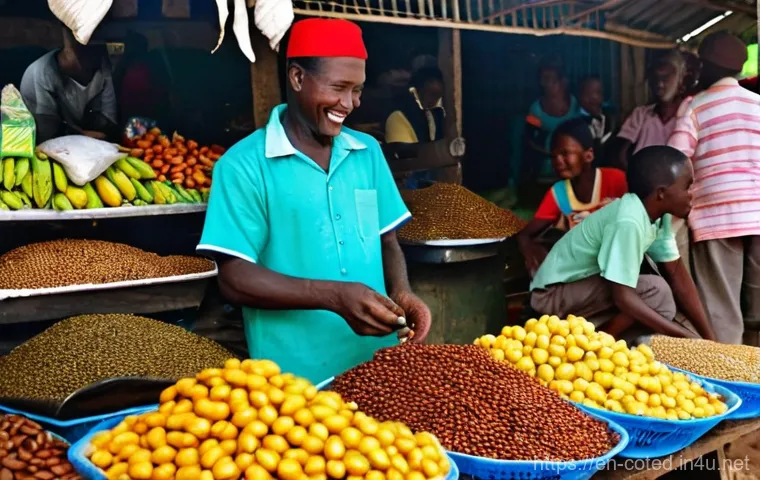
For me, one of the most important aspects of shopping in traditional markets is the opportunity to directly support local artisans and small businesses. When you buy from a vendor in these markets, you know your money is going directly into the hands of the person who created the item, or at least directly into their local economy. This is so much more impactful than buying mass-produced items in a large chain store. I always try to engage with the artisans, learning about their craft and the challenges they face. It creates a stronger connection to the product and makes the purchase feel more meaningful. Knowing that my purchase helps a family, contributes to their livelihood, or supports the continuation of traditional skills makes every item I bring home feel incredibly special. It’s about building a bridge of connection and contributing positively to the vibrant community that welcomed me.
Hidden Gems: Discovering Unique Ivorian Specialties
After multiple visits to the markets here, I’ve developed an almost sixth sense for spotting those truly unique Ivorian specialties that you just won’t find anywhere else. These aren’t always the most obvious items, but they are often the ones that carry the deepest cultural significance and make the most unforgettable gifts or personal treasures. It’s about stepping off the well-trodden path and letting your curiosity lead the way. Sometimes, the most unassuming stall holds the most extraordinary find. I’ve learned that asking local friends or guides for their recommendations can also lead you to some incredible discoveries. These “hidden gems” are what truly make shopping in Côte d’Ivoire an unparalleled experience, allowing you to bring home not just an object, but a piece of authentic Ivorian identity. It’s a delightful challenge, and the reward is always worth the search, turning a simple shopping trip into a true adventure of discovery.
Musical Instruments with Soul: Talking Drums and Balafons
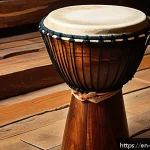
If you’re a music lover like me, you absolutely must seek out the traditional Ivorian musical instruments. They are not only beautiful to look at but also incredibly rich in history and cultural significance. I remember being completely captivated by the rhythmic beats of the djembe drums echoing through the market, and then discovering the fascinating talking drum (tama), which can mimic human speech through its pitch. The craftsmanship involved in creating these instruments is truly remarkable. You’ll also find the balafon, a wooden xylophone that produces enchanting melodies. I’ve even seen smaller, more decorative versions that make perfect display pieces or unique gifts. I once bought a small, beautifully carved kalimba (thumb piano), and every time I play it, I’m transported back to the vibrant sounds of the market. These instruments are more than just objects; they carry the musical soul of Côte d’Ivoire, and bringing one home is like bringing home a piece of its heartbeat.
A Culinary Adventure: Local Delicacies to Taste and Take Home
Beyond the fresh produce, the markets are brimming with unique Ivorian culinary products that make fantastic edible souvenirs. I’m talking about things you might not immediately think of but are absolute delights to discover. For instance, I always look for local cocoa products – Côte d’Ivoire is one of the world’s largest cocoa producers, and the quality you find here is exceptional. You might find artisanal chocolate or raw cocoa beans. Then there’s the local coffee, which is robust and flavorful, often sold by small, independent vendors. I also love to hunt for unique spice blends that are specific to Ivorian cuisine, perfect for recreating some of those incredible flavors back in my own kitchen. I remember finding a particularly fragrant blend of spices for grilling fish that completely elevated my cooking. These culinary treasures allow you to extend your Ivorian adventure long after you’ve returned home, keeping the flavors and aromas alive.
| Item Category | Description & Why It’s a Must-Have | Average Price Range (XOF) |
|---|---|---|
| Wood Carvings | Intricately carved masks, figures, and sculptures reflecting Senufo, Baoulé, and Dan traditions. Each piece tells a story. | 5,000 – 50,000+ |
| Textiles (Pagne) | Vibrant wax print fabrics, hand-dyed indigo, and woven cloths. Perfect for clothing, home decor, or unique gifts. | 2,500 – 15,000 per 6 yards |
| Handmade Jewelry | Beaded necklaces, brass bracelets, and earrings crafted from natural or recycled materials. Unique and stylish. | 1,500 – 10,000 |
| Local Spices & Coffee | Aromatic spice blends, flavorful local coffee beans, and dried chilis. Bring the taste of Côte d’Ivoire home. | 500 – 3,000 |
| Baskets & Pottery | Woven raffia baskets, traditional clay pots, and functional household items showcasing local craftsmanship. | 2,000 – 10,000 |
| Musical Instruments | Djembe drums, balafons, kalimbas, and talking drums. Authentic sounds and beautiful display pieces. | 8,000 – 60,000+ |
The Art of the Bargain: Practical Tips for Savvy Shoppers
Let’s be real, a trip to any traditional market isn’t complete without a bit of friendly haggling. It’s an ingrained part of the culture here in Côte d’Ivoire, and honestly, it’s one of my favorite parts of the whole experience. It’s less about getting the absolute lowest price and more about the interaction, the back-and-forth, and establishing a connection with the vendor. I remember feeling a bit awkward at first, worrying I might offend someone, but I quickly learned it’s expected and even enjoyed by many. Think of it as a playful negotiation, a dance of wits, rather than a confrontation. It builds a rapport and can even lead to better deals or insider tips on other great finds. Mastering this art not only saves you a few CFA francs but also deepens your cultural immersion. It’s a skill you’ll cherish long after your bags are unpacked.
When to Haggle, When to Hold Back
Knowing when to haggle and when to simply accept the price is a nuanced art in itself. Generally, in the bustling traditional markets, haggling is absolutely expected for most items, especially crafts, textiles, and larger purchases. However, I’ve learned that for things like street food, small everyday essentials, or items with clearly marked fixed prices in more established shops, it’s best to pay the asking price. Trying to haggle over a small bag of peanuts from a street vendor isn’t really the done thing and can come across as disrespectful. Use your judgment; if the item feels like a handmade craft or a unique souvenir, go for it! If it’s something mass-produced or a basic commodity, probably best to just pay. I usually gauge the situation by observing other shoppers or simply asking, “Est-ce que je peux négocier le prix?” (Can I negotiate the price?) with a friendly smile.
Building Rapport: More Than Just a Transaction
For me, the best bargains often come from building a genuine rapport with the vendors. It’s not just about the numbers; it’s about the human connection. I always start with a warm greeting, maybe a “Bonjour, ça va?” (Hello, how are you?) and a smile. Showing genuine interest in their products, asking about the craftsmanship, or even complimenting their display can go a long way. I’ve found that a bit of lighthearted conversation or sharing a laugh can significantly improve the negotiation process. Vendors are often more willing to offer a better price if they feel a connection with you. It transforms the interaction from a simple transaction into a memorable cultural exchange. I’ve even ended up getting fantastic recommendations for other stalls or local eateries just by being friendly and engaging. It’s a powerful reminder that travel is about connecting with people, and the market is a perfect place to do just that.
Your Ethical Impact: Supporting Communities Through Purchases
When I reflect on my travels and the treasures I’ve brought home, I always consider the impact of my choices. Shopping in the traditional markets of Côte d’Ivoire isn’t just about personal gain; it’s a powerful way to make a positive difference in the lives of local artisans and their communities. Every purchase, particularly when made directly from the maker, contributes to sustaining livelihoods, preserving traditional crafts, and fostering economic growth at a grassroots level. It’s about being a conscious consumer, understanding that your spending power can genuinely empower individuals and families. I’ve seen firsthand how a fair purchase can bring immense joy and support to a vendor, knowing that their hard work is valued. It feels incredibly rewarding to know that a beautiful piece of art in my home is also a symbol of positive impact, a connection to a community I’ve visited and cherished. It adds a whole new layer of meaning to every item I acquire.
Fair Trade Principles in Practice
While formal “fair trade” certifications might be less common in traditional markets, you can still apply the principles through your actions. This means being respectful in your negotiations, paying a fair price that reflects the effort and skill involved, and avoiding overly aggressive haggling that might exploit a vendor. I always try to consider what the item is truly worth, taking into account the materials, the time invested, and the artistry. If an item is handmade and truly unique, it deserves a fair price. Asking about the origin of materials or the process of creation can also give you insight into ethical sourcing. By prioritizing direct purchases from artisans and being mindful in your approach, you’re inherently practicing a form of fair trade, ensuring that the benefits of your spending flow directly to the creators. It’s a small but significant way to travel responsibly and make a real difference.
Preserving Heritage: Investing in Traditional Crafts
Every time I purchase a handcrafted item from an Ivorian market, I feel like I’m doing more than just buying a souvenir; I’m investing in the preservation of cultural heritage. Many of the skills and techniques used to create these beautiful pieces – be it intricate wood carving, specific weaving patterns, or traditional dyeing methods – have been passed down through generations. In a rapidly modernizing world, supporting these traditional crafts helps to keep them alive and relevant. It provides a financial incentive for artisans to continue practicing their art and to teach it to the next generation. I often reflect on the rich history embedded in each piece, knowing that by acquiring it, I’m contributing to the continuity of a valuable cultural legacy. It’s a truly meaningful aspect of shopping abroad, turning a simple transaction into an act of cultural preservation, ensuring that the vibrant artistic traditions of Côte d’Ivoire continue to flourish.
Wrapping Things Up
As our little journey through the vibrant markets of Côte d’Ivoire comes to a close, I hope you’ve felt a spark of the excitement I experience every time I step into this incredible cultural tapestry. It’s more than just shopping; it’s a deep dive into the heart and soul of a nation, a chance to connect with its people, its artistry, and its everyday rhythms. Every piece you choose to bring home, whether it’s an intricately carved figure or a burst of colorful fabric, isn’t just a souvenir. It’s a memory, a story, and a tangible link to the incredible warmth and creativity you’ll find here. I truly believe that these kinds of experiences enrich our lives in ways that go far beyond mere possessions, leaving us with a deeper understanding and appreciation for the world around us. So, go forth, explore, and let the markets of Côte d’Ivoire weave their magic around you!
Useful Information to Know
When you’re planning your market adventures in Côte d’Ivoire, a little bit of foresight can dramatically enhance your experience and help you truly soak in the local flavor. I’ve learned that being prepared makes all the difference, allowing you to focus on the discovery rather than the details.
1. Always carry local currency, the West African CFA franc (XOF), in various denominations. Cash is king in these bustling traditional markets, and having smaller bills makes transactions smoother and often helps in getting a better deal during negotiation. You don’t want to be caught trying to pay for a small item with a large note, as vendors may struggle to provide change.
2. Embrace the art of friendly haggling with a smile! It’s not just expected; it’s an integral part of the market culture and can be a really fun way to interact with vendors. Aim for 20-30% off the initial price for artisan crafts, but remember to keep it respectful and light-hearted. Building a rapport often leads to the best outcomes.
3. Learn a few basic French phrases like “Bonjour” (hello), “Merci” (thank you), and “Combien?” (how much?). Even a small effort to speak the local language is genuinely appreciated and can open doors to warmer interactions and a more authentic experience with the sellers.
4. Keep your belongings secure and be mindful of your surroundings, especially in crowded areas. A cross-body bag or a money belt can be very useful for keeping your cash and valuables safe while navigating the vibrant, but sometimes overwhelming, market environment.
5. Consider visiting the markets in the morning when they are often less crowded and the produce is at its freshest. If possible, going with a local guide or a friend who knows the area can provide invaluable insights and help you discover hidden gems you might otherwise miss.
Key Takeaways
Ultimately, shopping in Côte d’Ivoire’s markets is an adventure that engages all your senses and leaves a lasting impression. From the moment you step in, you’re not just a shopper; you’re an explorer, a cultural participant, and an active supporter of local talent. My biggest takeaway, after all these wonderful trips, is that the true value lies not just in the beautiful items you acquire, but in the experiences you gather, the stories you hear, and the connections you forge. Remember to approach each stall with an open mind and a curious heart, ready to discover not just a unique souvenir, but a piece of Ivorian soul. Your thoughtful purchases contribute directly to the livelihoods of incredible artisans, preserving their heritage and ensuring these vibrant traditions continue to thrive. It’s a meaningful exchange that goes far beyond any monetary transaction, making every visit truly unforgettable.
Frequently Asked Questions (FAQ) 📖
Q: What are the absolute must-have Ivorian treasures I should look for in these markets?
A: Oh, this is where the magic truly happens! From my own explorations, I’ve found these markets are bursting with incredible artisanal pieces that just scream “Côte d’Ivoire.” You absolutely have to look out for the stunning textiles first and foremost.
We’re talking about vibrant Kente cloth, also known as Pagne Baoulé, with its intricate patterns that tell stories of heritage, and the beautifully hand-painted Korhogo fabrics from the Senufo people.
I actually have a gorgeous Korhogo piece hanging in my living room, and it’s a constant reminder of the vibrant artistry! Then there are the breathtaking wood carvings.
You’ll see everything from ceremonial Senufo masks, each one with profound cultural significance, to the distinctive Colon statues, which offer a fascinating glimpse into a specific period of Ivorian art.
I vividly remember finding a small, beautifully carved wooden elephant – it’s now one of my most cherished travel souvenirs. Don’t forget the exquisite handcrafted pottery, often adorned with traditional motifs, and the colorful beaded jewelry; I picked up a multi-strand necklace that still turns heads whenever I wear it!
And for the foodies out there, Côte d’Ivoire is renowned for its world-class cocoa and robust coffee. Seriously, grabbing some local cocoa powder or coffee beans is a fantastic way to bring the flavors of your trip home.
You can also find an amazing array of local spices, like the blends for Attiéké or even Djansang seeds, that will totally elevate your cooking game. Trust me, these aren’t just souvenirs; they’re pieces of Ivorian soul you can take with you.
Q: Navigating these bustling markets can feel a bit much for a first-timer.
A: ny insider tips for a smoother, more enjoyable shopping experience? A2: You are so right, it can feel a little overwhelming at first, like stepping into a beautiful, vibrant maze!
But I’ve learned a few tricks that make the experience much more enjoyable. First off, I always recommend going in the early morning or late afternoon.
It’s usually a bit cooler, and while weekends are incredibly lively with more vendors, hitting it earlier might give you a slightly less crowded feel.
Crucially, always carry local currency, the CFA Franc, and make sure you have small denominations. This makes transactions much smoother and often helps when bargaining.
Speaking of which, bargaining is an absolute must – it’s part of the cultural dance here! My strategy is usually to have a rough price in my head that I’m comfortable paying, and I start negotiating politely from there.
It’s an art form, not a battle, so keep it friendly and fun! Wear comfortable shoes because you’ll be doing a lot of walking, and keep an eye on your belongings in crowded areas, just like in any busy market worldwide.
Also, don’t be afraid to engage with the artisans! I’ve had some truly memorable conversations learning about their craft, and it makes finding that perfect piece even more special.
And please, don’t leave without sampling some of the incredible street food – my personal favorites are Aloko (fried plantains) and the flavorful Kedjenou stew.
It’s an essential part of the market experience!
Q: What about the cultural etiquette, especially when it comes to bargaining? I want to be respectful!
A: That’s such a thoughtful question, and being respectful truly makes all the difference! From my experience, bargaining in Ivorian markets isn’t just about getting a good deal; it’s a social interaction, a light-hearted exchange that’s deeply woven into the local culture.
It’s not about being aggressive or trying to “win” in a harsh way. Instead, approach it with a warm smile and a friendly attitude. Vendors will often start with a higher price, and that’s totally expected.
My personal approach is to offer a price that feels reasonable to me, perhaps around 25-30% of their initial offer, and then we’ll go back and forth a bit.
It’s a dance! You might use a few simple French phrases like “Combien ça coûte?” (How much does it cost?) or “C’est trop cher” (It’s too expensive) – they’re often appreciated and can even lead to a chuckle and a better price.
Patience is key; don’t rush the process. If you can’t reach a price you’re happy with, it’s perfectly fine to politely decline and move on. No hard feelings!
Remember, maintaining a positive and friendly demeanor throughout the negotiation is far more important than getting the absolute lowest price. It builds a connection, even if brief, and honors the artisan’s work.
Plus, if you’re planning on buying larger wooden items, sometimes you might even need to get an export certificate from the National Museum of Abidjan, so it’s always good to keep that in mind for those truly special pieces!