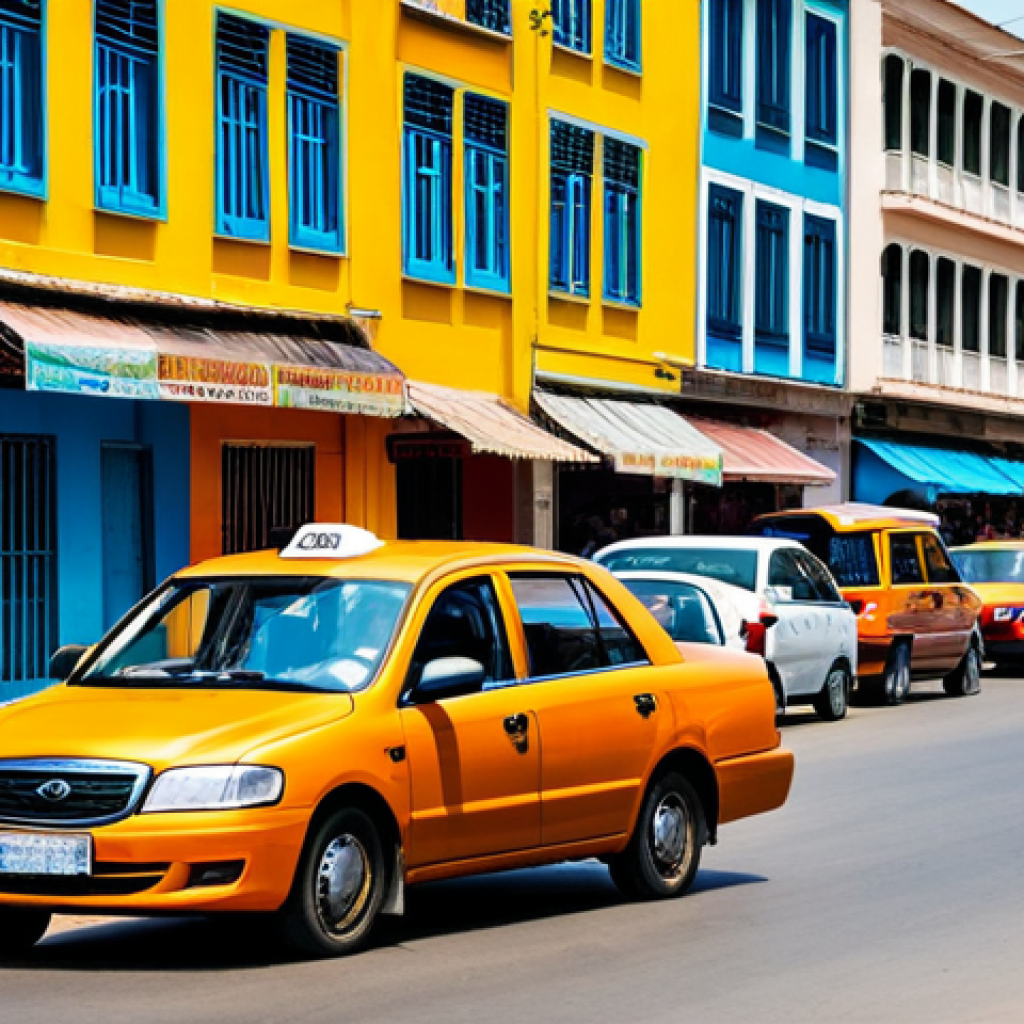
Catching a taxi in Abidjan, Ivory Coast, is an experience! The vibrant colours of the “gbakas” (shared taxis) and the bustling streets create a unique atmosphere.
But figuring out the right fare and navigating the tipping etiquette can feel a bit daunting, especially for first-timers. From my own experience, knowing a few key phrases in French (the official language) definitely helps.
It’s also good to have a general idea of the common routes and zones to avoid getting overcharged, a common concern I’ve heard from other travelers. Let’s delve into the specifics to ensure you’re ready to explore Abidjan with confidence and maybe even save a few CFA francs!
Let’s get the full picture below.
Navigating Abidjan’s Taxi Scene: What You Need to KnowAbidjan’s taxi system is a vital part of the city’s pulse. Getting around by taxi can be a genuinely enriching experience once you know the ropes.
Forget the sterile ride-hailing apps – here, you’re stepping into a world of vibrant characters and lively negotiation. The “gbakas” are a riot of colour, and the drivers often have amazing stories.
But to truly enjoy it, you’ve gotta play the game right.
Understanding the Different Types of Taxis
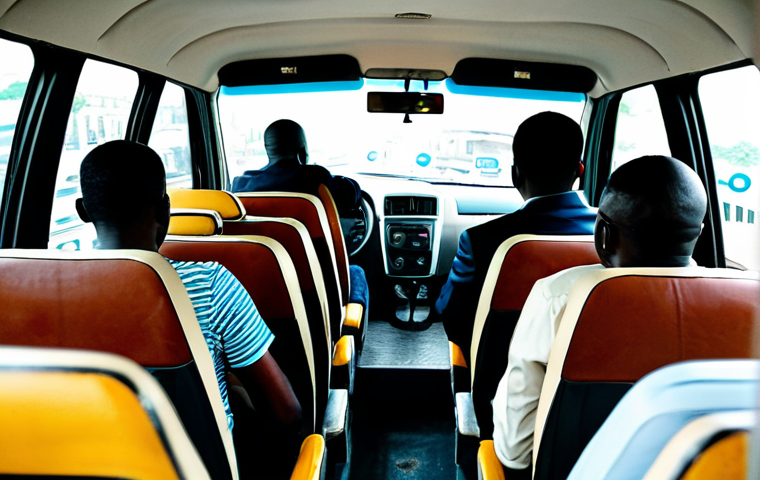
First off, not all taxis are created equal. You’ve got your official taxis, usually orange, which ideally use a meter. But honestly, meters are rare.
Then there are the “gbakas,” those shared taxis that ply specific routes. These are dirt cheap, but you need to know where they’re going. I remember once hopping into a gbaka thinking it was heading downtown, only to end up way out in Yopougon!
A little research beforehand saves a lot of hassle.
Spotting the Right Taxi
Finding a safe and reliable taxi isn’t always easy. Look for taxis that appear well-maintained. A taxi with a driver who seems friendly and approachable is always a plus.
Trust your gut feeling; if something feels off, don’t hesitate to wave down another cab. Also, make sure the taxi has proper identification.
Decoding Abidjan Taxi Fares: A Negotiation Tango
Here’s where things get interesting. Taxi fares in Abidjan aren’t set in stone. It’s a negotiation, a dance, a test of your bartering skills.
The initial price quoted is rarely the final price. Having a basic grasp of French is incredibly helpful here. I usually start by asking “Combien pour aller à [destination]?” (How much to go to [destination]?).
Then, I immediately counter with a lower price. Don’t be afraid to haggle, but always do it with a smile. Remember, a little friendly banter can go a long way.
Mastering the Art of Haggling
Haggling is an expected part of the process. Begin by offering a price that is slightly lower than what you’re willing to pay. Be polite and keep the negotiation lighthearted.
For instance, if a driver quotes 2000 CFA francs, I might counter with 1500 or 1700. The key is to find a price that both you and the driver find reasonable.
When to Negotiate
Always negotiate the fare before you get into the taxi. This prevents misunderstandings and ensures both parties are on the same page. Once you agree on a price, that’s the amount you’ll pay at the end of the ride, regardless of traffic.
If you change your destination mid-ride, be prepared to renegotiate.
| Scenario | Typical Fare (CFA Francs) | Notes |
|---|---|---|
| Short ride within a neighborhood | 500-1000 | Minimum fare, often negotiable |
| Ride between two neighborhoods | 1000-2000 | Depends on distance and traffic |
| Airport to Plateau (Central Business District) | 5000-7000 | Fixed price, usually non-negotiable |
| Gbaka (shared taxi) | 100-200 per section | Fixed price per section of the route |
Tipping in Abidjan: When and How Much? Tipping isn’t as widespread in Abidjan as it is in some Western countries, but it’s always appreciated for good service.
It’s less about a fixed percentage and more about rounding up or adding a little extra for exceptional service or help. I once had a taxi driver go way out of his way to help me find a specific shop.
I definitely tipped him generously for that!
Deciding When to Tip
Tipping is generally expected when the driver goes above and beyond, such as helping with luggage or providing useful information about the city. However, it’s not obligatory for a standard ride.
If the driver was particularly friendly or helpful, a small tip is a nice gesture.
How Much to Tip
For a standard taxi ride, rounding up to the nearest 100 or 500 CFA francs is a common practice. If the driver provided exceptional service, a tip of 500 to 1000 CFA francs is appropriate.
The amount depends on the quality of service and your personal discretion.
Alternative to Monetary Tips
If you don’t have small change, offering a bottle of water or a small snack can be a thoughtful alternative. Sometimes, a sincere “merci beaucoup” with a smile can be just as appreciated.
Safety First: Ensuring a Smooth Taxi RideLike any big city, Abidjan has its share of safety concerns. Always be aware of your surroundings. Avoid getting into unmarked taxis or those that look in poor condition.
It’s also wise to avoid discussing your personal details or displaying expensive belongings. I usually keep my phone tucked away and avoid wearing flashy jewellery.
Basic Safety Measures
Opt for taxis that are in good condition and appear well-maintained. During nighttime, it’s safer to use taxis recommended by your hotel or known to be reliable.
Always keep your belongings close and be aware of your surroundings.
Avoiding Risky Situations
Avoid getting into arguments with taxi drivers, especially over fares. If you feel unsafe, ask to be dropped off at a well-lit and populated area. Share your taxi’s details with a friend or family member if possible, especially when traveling alone at night.
Emergency Contacts
It’s always a good idea to have local emergency numbers saved in your phone. The police emergency number in Côte d’Ivoire is 111 or 180. Knowing the contact information for your embassy or consulate is also helpful.
Useful French Phrases for Taxi RidesEven a few basic French phrases can make a huge difference. Knowing how to greet the driver, ask for the price, and give directions will not only make your ride smoother but also show respect for the local culture.
Plus, it can help you avoid being overcharged. I’ve found that even my rusty high school French has saved me a few francs on more than one occasion!
Essential Phrases
Here are some phrases that you might find helpful:* “Bonjour/Bonsoir” (Good morning/Good evening)
* “Combien pour aller à [destination]?” (How much to go to [destination]?)
* “S’il vous plaît, emmenez-moi à [destination]” (Please take me to [destination])
* “Merci” (Thank you)
* “Au revoir” (Goodbye)
Giving Directions
When giving directions, try to be as clear and concise as possible. Use landmarks or well-known locations to help the driver understand where you want to go.
If you’re unsure, showing the address or location on your phone can be very helpful.
Negotiating Fares
Use phrases like “C’est trop cher” (That’s too expensive) and “Est-ce que vous pouvez baisser le prix?” (Can you lower the price?) to negotiate the fare.
Remember to be polite and friendly, as this can often lead to a better deal. Embracing the Taxi Experience: More Than Just a RideTaking a taxi in Abidjan isn’t just about getting from point A to point B.
It’s an opportunity to connect with the local culture, practice your French, and experience the vibrant energy of the city. Embrace the chaos, be prepared to negotiate, and remember to enjoy the ride.
After all, it’s all part of the adventure.
Learning About the City
Taxi drivers are often a wealth of knowledge about the city. Don’t hesitate to ask for recommendations on restaurants, markets, or other places to visit.
Many drivers are happy to share their insights and give you a local’s perspective on Abidjan.
Immersing in the Culture
Use the taxi ride as an opportunity to listen to local music, observe the city’s daily life, and practice your French. Engaging with the driver and showing genuine interest in the local culture can make the ride more enjoyable and enriching.
Making Connections
Sometimes, a simple taxi ride can lead to unexpected connections. Be open to meeting new people and sharing stories. You never know what interesting conversations or opportunities might arise.
Navigating Abidjan’s Taxi Scene: What You Need to KnowAbidjan’s taxi system is a vital part of the city’s pulse. Getting around by taxi can be a genuinely enriching experience once you know the ropes.
Forget the sterile ride-hailing apps – here, you’re stepping into a world of vibrant characters and lively negotiation. The “gbakas” are a riot of colour, and the drivers often have amazing stories.
But to truly enjoy it, you’ve gotta play the game right.
Understanding the Different Types of Taxis
First off, not all taxis are created equal. You’ve got your official taxis, usually orange, which ideally use a meter. But honestly, meters are rare. Then there are the “gbakas,” those shared taxis that ply specific routes. These are dirt cheap, but you need to know where they’re going. I remember once hopping into a gbaka thinking it was heading downtown, only to end up way out in Yopougon! A little research beforehand saves a lot of hassle.
Spotting the Right Taxi
Finding a safe and reliable taxi isn’t always easy. Look for taxis that appear well-maintained. A taxi with a driver who seems friendly and approachable is always a plus. Trust your gut feeling; if something feels off, don’t hesitate to wave down another cab. Also, make sure the taxi has proper identification.
Decoding Abidjan Taxi Fares: A Negotiation Tango

Here’s where things get interesting. Taxi fares in Abidjan aren’t set in stone. It’s a negotiation, a dance, a test of your bartering skills. The initial price quoted is rarely the final price. Having a basic grasp of French is incredibly helpful here. I usually start by asking “Combien pour aller à [destination]?” (How much to go to [destination]?). Then, I immediately counter with a lower price. Don’t be afraid to haggle, but always do it with a smile. Remember, a little friendly banter can go a long way.
Mastering the Art of Haggling
Haggling is an expected part of the process. Begin by offering a price that is slightly lower than what you’re willing to pay. Be polite and keep the negotiation lighthearted. For instance, if a driver quotes 2000 CFA francs, I might counter with 1500 or 1700. The key is to find a price that both you and the driver find reasonable.
When to Negotiate
Always negotiate the fare before you get into the taxi. This prevents misunderstandings and ensures both parties are on the same page. Once you agree on a price, that’s the amount you’ll pay at the end of the ride, regardless of traffic. If you change your destination mid-ride, be prepared to renegotiate.
| Scenario | Typical Fare (CFA Francs) | Notes |
|---|---|---|
| Short ride within a neighborhood | 500-1000 | Minimum fare, often negotiable |
| Ride between two neighborhoods | 1000-2000 | Depends on distance and traffic |
| Airport to Plateau (Central Business District) | 5000-7000 | Fixed price, usually non-negotiable |
| Gbaka (shared taxi) | 100-200 per section | Fixed price per section of the route |
Tipping in Abidjan: When and How Much?
Tipping isn’t as widespread in Abidjan as it is in some Western countries, but it’s always appreciated for good service. It’s less about a fixed percentage and more about rounding up or adding a little extra for exceptional service or help. I once had a taxi driver go way out of his way to help me find a specific shop. I definitely tipped him generously for that!
Deciding When to Tip
Tipping is generally expected when the driver goes above and beyond, such as helping with luggage or providing useful information about the city. However, it’s not obligatory for a standard ride. If the driver was particularly friendly or helpful, a small tip is a nice gesture.
How Much to Tip
For a standard taxi ride, rounding up to the nearest 100 or 500 CFA francs is a common practice. If the driver provided exceptional service, a tip of 500 to 1000 CFA francs is appropriate. The amount depends on the quality of service and your personal discretion.
Alternative to Monetary Tips
If you don’t have small change, offering a bottle of water or a small snack can be a thoughtful alternative. Sometimes, a sincere “merci beaucoup” with a smile can be just as appreciated.
Safety First: Ensuring a Smooth Taxi Ride
Like any big city, Abidjan has its share of safety concerns. Always be aware of your surroundings. Avoid getting into unmarked taxis or those that look in poor condition. It’s also wise to avoid discussing your personal details or displaying expensive belongings. I usually keep my phone tucked away and avoid wearing flashy jewellery.
Basic Safety Measures
Opt for taxis that are in good condition and appear well-maintained. During nighttime, it’s safer to use taxis recommended by your hotel or known to be reliable. Always keep your belongings close and be aware of your surroundings.
Avoiding Risky Situations
Avoid getting into arguments with taxi drivers, especially over fares. If you feel unsafe, ask to be dropped off at a well-lit and populated area. Share your taxi’s details with a friend or family member if possible, especially when traveling alone at night.
Emergency Contacts
It’s always a good idea to have local emergency numbers saved in your phone. The police emergency number in Côte d’Ivoire is 111 or 180. Knowing the contact information for your embassy or consulate is also helpful.
Useful French Phrases for Taxi Rides
Even a few basic French phrases can make a huge difference. Knowing how to greet the driver, ask for the price, and give directions will not only make your ride smoother but also show respect for the local culture. Plus, it can help you avoid being overcharged. I’ve found that even my rusty high school French has saved me a few francs on more than one occasion!
Essential Phrases
Here are some phrases that you might find helpful:
“Bonjour/Bonsoir” (Good morning/Good evening)
“Combien pour aller à [destination]?” (How much to go to [destination]?)
“S’il vous plaît, emmenez-moi à [destination]” (Please take me to [destination])
“Merci” (Thank you)
“Au revoir” (Goodbye)
Giving Directions
When giving directions, try to be as clear and concise as possible. Use landmarks or well-known locations to help the driver understand where you want to go. If you’re unsure, showing the address or location on your phone can be very helpful.
Negotiating Fares
Use phrases like “C’est trop cher” (That’s too expensive) and “Est-ce que vous pouvez baisser le prix?” (Can you lower the price?) to negotiate the fare. Remember to be polite and friendly, as this can often lead to a better deal.
Embracing the Taxi Experience: More Than Just a Ride
Taking a taxi in Abidjan isn’t just about getting from point A to point B. It’s an opportunity to connect with the local culture, practice your French, and experience the vibrant energy of the city. Embrace the chaos, be prepared to negotiate, and remember to enjoy the ride. After all, it’s all part of the adventure.
Learning About the City
Taxi drivers are often a wealth of knowledge about the city. Don’t hesitate to ask for recommendations on restaurants, markets, or other places to visit. Many drivers are happy to share their insights and give you a local’s perspective on Abidjan.
Immersing in the Culture
Use the taxi ride as an opportunity to listen to local music, observe the city’s daily life, and practice your French. Engaging with the driver and showing genuine interest in the local culture can make the ride more enjoyable and enriching.
Making Connections
Sometimes, a simple taxi ride can lead to unexpected connections. Be open to meeting new people and sharing stories. You never know what interesting conversations or opportunities might arise.
Wrapping Up
So, there you have it! Navigating Abidjan’s taxi scene might seem daunting at first, but with a little know-how and a sense of adventure, it can be a truly rewarding experience. Embrace the local culture, brush up on your French, and get ready to haggle – you’re in for a ride you won’t soon forget. Happy travels!
Good to Know Information
1. Always negotiate the fare before entering the taxi to avoid misunderstandings.
2. Carry small denominations of CFA francs for easy transactions and tipping.
3. Be aware of your surroundings and avoid displaying expensive belongings.
4. Download a translation app to help with communication if your French is limited.
5. Consider using ride-hailing apps like Uber or Yango for a more predictable and safer experience, though they may be less common than traditional taxis.
Key Takeaways
Taxi rides in Abidjan offer a unique cultural experience, requiring negotiation and an understanding of local customs.
Safety is paramount; choose well-maintained taxis, especially at night, and be aware of your surroundings.
Basic French phrases can significantly enhance your experience and help you negotiate fares more effectively.
Frequently Asked Questions (FAQ) 📖
Q: What’s the best way to negotiate a taxi fare in
A: bidjan? A1: Alright, so the first rule of thumb is, never, ever hop into a taxi without agreeing on a price beforehand. It’s like asking for a surprise bill later!
I usually start by asking the driver “Combien?” (How much?). Now, here’s the kicker: they might inflate the price if they sense you’re a tourist. Do a little research on standard fares for common routes.
I’ve found that offering about 75-80% of their initial quote is a good starting point for negotiation. A little friendly banter in French can also work wonders!
Don’t be afraid to walk away – there are always plenty of taxis around.
Q: Is it safe to take taxis in
A: bidjan, especially at night? A2: Safety’s always a concern, right? In my experience, and what I’ve heard from other expats, sticking to registered taxis is key.
These are usually orange and have a meter, although I rarely see them used. During the day, you’re generally fine flagging down a taxi on the street, but at night, it’s much safer to have your hotel or restaurant call one for you.
Alternatively, consider using a ride-hailing app if it’s available. Also, avoid sharing taxis with strangers, especially if you’re traveling alone. And, like anywhere, keep your valuables out of sight and be aware of your surroundings.
Q: Should I tip taxi drivers in
A: bidjan? If so, how much? A3: Tipping isn’t mandatory, but it’s definitely appreciated.
If the driver has been particularly helpful – like assisting with luggage or navigating through heavy traffic – or if they’ve been friendly and courteous, rounding up the fare is a nice gesture.
For example, if the fare is 850 CFA francs, you could round it up to 1000. There’s no need to go overboard – just a little something to show your appreciation.
I once had a driver who went completely out of his way to help me find a specific shop, and I happily gave him a more generous tip for his efforts. A few hundred CFA francs can go a long way in showing your gratitude.
📚 References
Wikipedia Encyclopedia