You know that feeling when the lights suddenly go out, plunging your home into darkness and halting everything? It’s more than just an inconvenience; it can be a real disruption to daily life, from working to simply cooking dinner.
For many across Côte d’Ivoire, this isn’t a rare occurrence but a persistent challenge, threatening their thriving economy and the well-being of its people.
I’ve seen firsthand how crucial consistent power is for everything, from small businesses to large industries like cocoa processing, which are the lifeblood of communities.
The nation, a true powerhouse in West Africa, has been grappling with significant power outages lately, a stark reminder of how fragile our modern dependencies can be.
But here’s the exciting part: Côte d’Ivoire isn’t just sitting by; they’re actively embracing a future powered by innovative solutions. We’re talking about a massive push towards renewable energy, smart grid investments, and strategic international partnerships that are set to redefine their energy landscape.
It’s a compelling story of resilience, vision, and a determined stride towards sustainable growth, shaping not just a nation but potentially a whole region.
Imagine a country renowned for its vibrant culture and economic dynamism, suddenly facing the daily struggle of widespread power outages. That’s the challenging reality Côte d’Ivoire has been navigating, with significant disruptions impacting everything from bustling markets to essential industrial operations.
These aren’t just minor inconveniences; they’re costly setbacks, severely affecting businesses and the everyday lives of millions who depend on reliable electricity for work, education, and simply keeping their food fresh.
The causes are complex, ranging from critical infrastructure issues to the very real impacts of climate change on their vital hydroelectric resources.
But amidst these challenges, a powerful narrative of ambition and ingenuity is unfolding, as the nation mobilizes incredible efforts to overhaul its energy infrastructure and embrace a brighter, more stable future.
Let’s uncover the innovative solutions Côte d’Ivoire is deploying to light up every corner of the country and become a true energy leader in the region.
Powering Up: Tackling the Energy Crunch Head-On

You know, I’ve seen firsthand how challenging it can be when a country as vibrant and economically dynamic as Côte d’Ivoire faces persistent power outages.
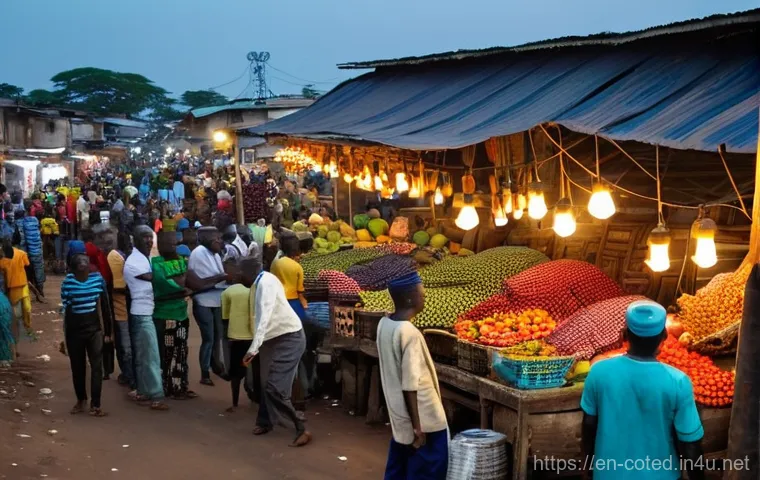
It’s not just an inconvenience; it impacts everything from the bustling markets to the critical industrial operations that are the heartbeat of the nation.
These disruptions aren’t just minor headaches; they’re costly setbacks, severely affecting businesses and the everyday lives of millions who depend on reliable electricity for work, education, and even just keeping their food fresh.
The causes are complex, ranging from critical infrastructure issues to the very real impacts of climate change on vital hydroelectric resources, which have seen water levels drop significantly.
For instance, in 2024, unexpected outages at major power plants, like the Azito thermal plant, significantly reduced available power, leading to widespread rationing and substantial financial losses for sectors such as mining and cocoa grinding.
It’s a tough situation, but what truly inspires me is the determined spirit I’ve observed in the Ivorian people and their government to not just overcome these challenges but to leapfrog into a more stable and sustainable energy future.
They aren’t just patching things up; they’re building a new foundation for growth and stability.
Understanding the Root Causes of Recent Disruptions
- The recent power cuts have often stemmed from technical problems at key thermal power plants, such as Azito and Ciprel, which together account for a significant portion of the country’s electricity production. These unplanned outages created a substantial deficit in the power supply, forcing the implementation of rationing schedules across the country.
- Climate change has played an undeniable role, with prolonged periods of drought significantly impacting the water levels of vital hydroelectric dams like Ayamé, Kossou, Taabo, and Soubré. Hydropower is a crucial component of Côte d’Ivoire’s energy mix, and reduced water availability directly translates to lower electricity generation capacity, exacerbating the overall power deficit.
- Rapid economic expansion and urbanization have driven a surge in electricity demand, with the country’s electricity production almost doubling between 2018 and 2023. While impressive, this growth has at times outpaced the existing infrastructure’s ability to reliably meet the rising needs of both households and industries, leading to an overburdened grid and increased vulnerability to disruptions.
The Economic Impact: More Than Just Dark Homes
- For businesses, especially in sectors like mining and cocoa processing—which are cornerstones of Côte d’Ivoire’s economy—the financial fallout from unreliable power has been considerable. Companies have reported millions of dollars in losses due to disrupted operations, halted production, and the increased costs of relying on alternative energy sources like generators.
- The ripple effect extends beyond large industries, impacting small businesses, educational institutions, and healthcare facilities. Imagine a restaurant struggling to keep food fresh, or students unable to study after dark. These outages hinder productivity, discourage investment, and ultimately slow down the nation’s ambitious development goals, affecting the livelihoods of countless Ivorians.
Embracing the Sun and Wind: A Renewable Revolution
It’s truly exciting to witness Côte d’Ivoire’s full-throttle commitment to renewable energy. When you think about the abundant sunshine across this beautiful country, it just makes perfect sense to harness solar power, doesn’t it?
The government has set an ambitious but achievable target: to have 45% of its electricity mix come from renewable sources by 2030, a significant jump from the current reliance on thermal power plants.
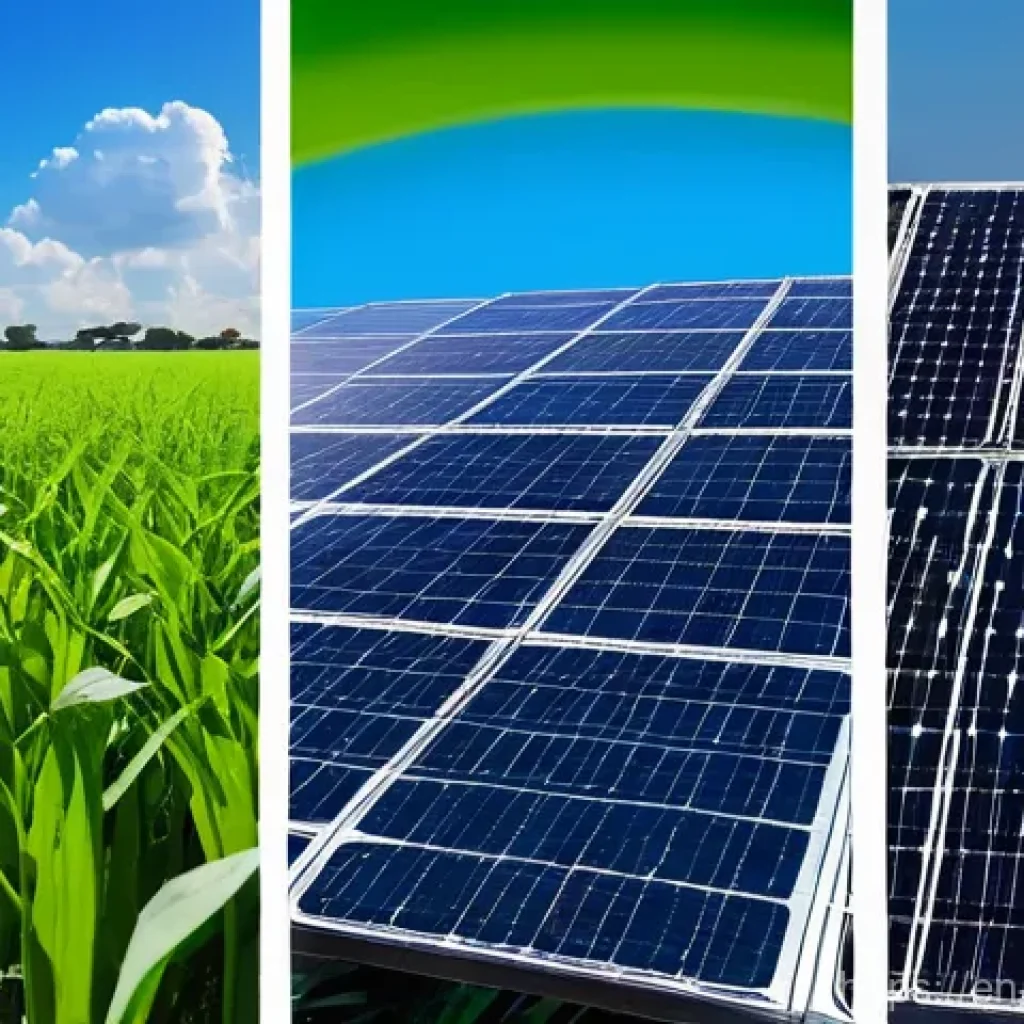
This isn’t just a distant dream; it’s a tangible plan backed by substantial investments and concrete projects. We’re seeing solar farms sprouting up across the landscape, transforming areas like Katiola, Bondoukou, and Kong, turning vast, sun-drenched fields into powerhouses of clean energy.
These projects are not only boosting the national grid but also creating jobs and bringing much-needed energy security to communities that have long struggled with inconsistent power.
It feels like a real turning point, a testament to their vision for a greener, more self-sufficient future.
Solar Power: A Bright Future Ahead
- Côte d’Ivoire is rapidly expanding its solar capacity, with numerous projects underway or recently completed. For example, a $60 million solar power plant in Katiola is approved to produce 85,934 megawatt-hours annually, contributing significantly to the country’s renewable energy goals.
- Other notable solar initiatives include the 52.42 MWp Ferke Solar plant, the 50 MW Bondoukou solar project, and the 50 MWp Kong Solaire plant in the northern region. These projects are often developed under public-private partnerships, attracting crucial private capital and expertise.
- The government is also actively seeking further private investment through international tenders for new solar photovoltaic plants, each with 100 MW capacity and integrated battery energy storage systems, ensuring not just generation but also grid stability.
Harnessing Hydroelectric Potential and Wind Energy
- While solar is on the rise, Côte d’Ivoire hasn’t forgotten its hydroelectric roots. Projects like the 112 MW Gribo-Popoli hydroelectric dam, which became operational in May 2025, are boosting existing hydro capacity. There are also plans for 17 new large hydroelectric projects and 12 mini-hydroelectric projects in the pipeline.
- Beyond large dams, there’s a strong focus on rehabilitating existing hydroelectric facilities and exploring smaller-scale hydro projects to maximize the country’s natural water resources, integrating them into a more diverse and resilient energy mix.
From Cocoa Pods to Power: Unlocking Biomass Potential
This is where it gets really innovative, and honestly, a bit mind-blowing. Imagine turning agricultural waste, something that used to be discarded or burned, into clean electricity!
Côte d’Ivoire, being the world’s largest cocoa producer, generates millions of tons of cocoa waste every year. For a long time, this was just a byproduct, a challenge to manage.
But now, it’s being seen as a valuable resource, a goldmine for sustainable energy. The Divo cocoa waste-to-energy plant, for example, is a pioneering project set to convert 600,000 tonnes of agricultural waste annually into 76MW of renewable electricity.
When I first heard about this, I thought, “Wow, that’s truly thinking outside the box!” It’s not just about powering homes; it’s about creating new income streams for cocoa farmers, reducing environmental pollution, and building a circular economy that benefits everyone involved.
This kind of ingenuity is what I believe will truly make Côte d’Ivoire a leader in green energy.
The Divo Cocoa Waste-to-Energy Plant: A Game-Changer
- The Divo plant is heralded as the world’s first industrial-scale, grid-connected cocoa biomass plant, poised to generate 550 GWh of renewable electricity annually from agricultural waste. This innovative project is designed to power approximately 1.4 million people with clean electricity.
- Beyond electricity generation, this project offers significant environmental benefits by avoiding 300,000 tonnes of CO₂ emissions annually and transforming millions of tons of organic waste that would otherwise contribute to pollution and methane emissions.
- The plant will utilize various agricultural residues, primarily cocoa pod husks, bean shells, and even old rubber trees that have reached the end of their economic life, ensuring a consistent and abundant feedstock for power generation.
Broader Biomass Initiatives and Benefits
- The Divo project, along with other planned biomass initiatives, signifies a strategic shift to leverage Côte d’Ivoire’s vast agricultural resources for energy production. This approach not only provides a sustainable power source but also diversifies the national energy mix, reducing reliance on fossil fuels.
- Economically, these biomass projects create new revenue streams for thousands of cocoa farmers by purchasing their waste products, fostering rural prosperity and contributing to local economic development. Additionally, the projects are expected to generate thousands of jobs in construction, operation, and maintenance.
- The development of biomass facilities is also supported by international partners and independent power producers (IPPs), demonstrating a strong collaborative effort to bring these innovative solutions to fruition and position Côte d’Ivoire as a leader in sustainable agriculture-to-energy solutions.
Smarter Grids for a Brighter Future: Modernizing Infrastructure
You know how frustrating it is when your internet connection is slow or drops out? It’s kind of like that, but for electricity. Even with plenty of power generation, if the grid isn’t up to snuff, you’re still going to have issues.
That’s why Côte d’Ivoire isn’t just focusing on where the electricity comes from, but how it gets to everyone. They’re making huge strides in modernizing their electricity grid, transforming it into a “smart grid” that can better handle demand, integrate diverse energy sources, and minimize losses.
This means investing in advanced technology, building new high-voltage transmission lines, and even using artificial intelligence to detect and prevent problems.
It’s a huge undertaking, a long-term vision, but it’s absolutely essential for ensuring consistent, reliable power throughout the country, truly bridging the gap between generation and delivery.
Building a Robust Transmission Network
- A major infrastructure project, the “Eastern Backbone” transmission line, is underway. This 540 km, 400 kV high-voltage line will connect Anyama, near Abidjan, to Ferkessédougou in the north, significantly enhancing the national electricity grid.
- This new transmission capacity is crucial for integrating the growing solar energy resources from the northern regions, ensuring that power generated in one part of the country can reliably reach demand centers elsewhere.
- The project also aims to reinforce regional interconnections with neighboring countries like Burkina Faso and Mali, strengthening Côte d’Ivoire’s role within the West African Power Pool (WAPP) and promoting energy trade across the region.
Embracing Smart Grid Technologies and AI
- Côte d’Ivoire is pioneering the deployment of smart grid control systems, such as remedial action schemes, designed to automatically detect and correct abnormal system conditions. This technology is expected to be among the first of its kind in Africa, significantly enhancing grid reliability and preventing blackouts.
- Smart meters are becoming increasingly prevalent, with 75% of clients already using them, providing invaluable data for optimizing the network. This data, coupled with artificial intelligence, is being used for advanced analytics, including highly effective fraud detection, which helps reduce non-technical losses and ensures revenue collection.
- The ongoing grid modernization efforts also focus on distribution automation and real-time balancing of power generation with consumption, which is critical for smoothly integrating intermittent renewable energy sources like solar and wind into the national grid.
Forging Alliances: International Partnerships and Private Investment
It’s clear that a transformation of this magnitude isn’t something one nation can achieve alone. What truly stands out in Côte d’Ivoire’s energy journey is its remarkable ability to attract and leverage international partnerships and private sector investment.
I’ve seen how governments, development banks, and private companies from around the world are stepping up, bringing not just capital but also invaluable expertise and cutting-edge technology.
This collaborative approach is a powerful engine, accelerating project development and ensuring that the solutions are robust and sustainable. It really speaks to the trust and confidence that the international community has in Côte d’Ivoire’s vision, recognizing its potential as a regional energy leader.
These partnerships aren’t just about money; they’re about shared goals and a collective commitment to a brighter, more electrified future for West Africa.
| Indicator | Current Status / Key Projects | 2030 Target |
|---|---|---|
| Renewable Energy Share in Electricity Mix | ~30% (as of 2024) | 45% |
| Total Electricity Production Capacity | 13,345 GWh (2023) 2,907 MW (2023 installed capacity) |
8,600 MW (by 2040, Master Plan) |
| Key Solar Projects | Katiola ($60M, 85,934 MWh/yr) Kong Solaire (50 MWp) Bondoukou (50 MW) |
400 MW solar capacity |
| Major Biomass Project | Divo Cocoa Waste-to-Energy Plant (76 MW, 550 GWh/yr) | Plans to increase biomass capacity |
| Grid Access Rate | 92% (overall access) 94% (urban) 42% (rural) |
Universal access by 2025/2030 |
| Investment Commitment | €15M EU deal for Green Energy (PAPEV) $6.56B energy infrastructure investment (National Energy Pact) |
Mobilize $2B private capital for renewables by 2030 |
Driving Investment Through Public-Private Partnerships
- The Ivorian government has actively fostered an environment conducive to private sector involvement, recognizing that significant capital and technical expertise are needed to meet ambitious energy goals. Public-private partnerships (PPPs) are a cornerstone of this strategy, particularly in the development of renewable energy projects.
- International organizations like the World Bank, African Development Bank, and the European Investment Bank (EIB) provide critical financing and guarantees that de-risk projects for private investors, attracting more capital into the sector.
- The “Mission 300” initiative, spearheaded by the World Bank and the African Development Bank, highlights Côte d’Ivoire as one of 12 pilot countries committed to providing electricity access to 300 million people in Sub-Saharan Africa by 2030, with a committed investment of $6.56 billion in energy infrastructure.
Key International Collaborators
- The European Union (EU) is a significant partner, contributing €15 million to the Green Energy Production Support Project (PAPEV), which aims for 45% renewable energy by 2030 and focuses on diversifying sources like solar, wind, and biomass, while also improving rural access.
- The U.S. Trade and Development Agency (USTDA) has provided grants for feasibility studies to deploy smart grid control systems and has supported biomass power plant projects, bringing U.S. expertise and technology to the Ivorian energy sector.
- Germany has also forged a climate and development partnership with Côte d’Ivoire, including a €150 million project for off-grid electrification using customized photovoltaic microgrids in 400 rural communities, showcasing a commitment to sustainable development and climate action.
Lighting Up Every Corner: The Push for Rural Electrification
I’ve traveled quite a bit through rural areas, and I’ve seen firsthand the profound impact electricity can have. It’s not just about turning on a light; it’s about extending study hours for children, enabling small businesses to operate longer, powering healthcare facilities, and quite literally, lighting up opportunities.
Côte d’Ivoire understands this deeply. While urban areas boast high access rates, there’s a determined and incredible push to bring reliable power to every single household, no matter how remote.
This isn’t just about extending the existing grid; it’s about innovative, decentralized solutions that are tailored to the unique needs of these communities.
It’s a testament to the idea that everyone deserves a shot at a brighter future, powered by accessible, sustainable energy.
Expanding Grid Reach and Off-Grid Solutions
- Côte d’Ivoire has made remarkable progress in extending electricity access, connecting thousands of citizens to the grid over the past decade. The national electrification rate stands at 92%, with urban areas reaching an impressive 94%, but the government is intensifying efforts to close the gap in rural regions, where the rate is currently around 42%.
- For areas where extending the traditional grid is economically unfeasible or geographically challenging, the government is prioritizing decentralized renewable energy (DRE) solutions. This includes large-scale solar and wind projects, as well as off-grid energy solutions like solar mini-grids, which can deliver power to remote communities more rapidly and efficiently.
- Programs like the Plan Directeur d’Électrification Rurale (PDER) aim to combine off-grid solar energy systems with other solutions to electrify regions that traditional grid extension might not reach before 2025.
Capacity Building and Community Empowerment
- To support the accelerated development of renewable energies, Côte d’Ivoire is also focusing on human capital. Plans are underway to build a training center for renewable energy and energy efficiency in Sinematiali, aimed at training 2,000 Ivorians annually in technical skills for installing and maintaining PV, thermal solar, and biomass systems.
- These initiatives not only provide reliable energy but also drive job creation and empower local communities with the skills needed to manage and maintain their own energy infrastructure, fostering self-reliance and sustainable development.
- The integration of mobile money platforms, a popular financial tool in West Africa, is also being explored to support Pay-As-You-Go (PAYGo) systems for off-grid energy solutions, making electricity more affordable and accessible for people with limited resources.
My Final Thoughts on Côte d’Ivoire’s Energy Journey
Honestly, diving deep into Côte d’Ivoire’s energy transformation has been incredibly inspiring for me. It’s not just a story of overcoming challenges; it’s a vibrant testament to innovation, resilience, and a bold vision for the future. What truly sticks with you is the sheer determination to build something lasting and sustainable, not just for economic growth but for the well-being of every single citizen. I genuinely feel hopeful knowing that nations like Côte d’Ivoire are leading the charge towards a greener, more electrified world. It’s a powerful reminder that with strategic planning, international collaboration, and a willingness to embrace new technologies, a brighter, more sustainable future isn’t just a dream – it’s actively being built, right now.
Useful Tidbits I’ve Picked Up Along the Way
1. Never underestimate the power of diverse energy sources. Relying on just one or two methods, no matter how efficient, can leave a country vulnerable. Côte d’Ivoire’s approach of blending solar, hydro, biomass, and even exploring wind energy is a masterclass in building resilience.
2. Smart grids aren’t just for developed nations! Seeing Côte d’Ivoire implement advanced AI for fraud detection and grid optimization truly shows that cutting-edge technology can be adopted and adapted anywhere with vision and commitment. It’s all about making the existing infrastructure work smarter, not just harder.
3. Agricultural waste as an energy source? Absolutely brilliant! The Divo cocoa waste-to-energy plant is a fantastic example of circular economy principles in action. It tackles environmental pollution, creates revenue for farmers, and generates clean power – a triple win that other agricultural nations should definitely explore.
4. International partnerships are absolutely crucial. No country is an island when it comes to massive infrastructure projects like energy transformation. The way Côte d’Ivoire has leveraged support from the World Bank, EU, USTDA, and Germany is a blueprint for successful global collaboration.
5. Rural electrification changes lives on a fundamental level. It’s not just about lights; it’s about education, healthcare, economic opportunity, and social equity. Seeing the dedication to bringing power to every last village, even with off-grid solutions, is truly heartening and speaks volumes about a government’s commitment to its people.
The Core Message: What Really Stands Out
If there’s one thing I want you to remember from Côte d’Ivoire’s energy journey, it’s this: vision, innovation, and collaboration are the unstoppable forces driving sustainable development. They’ve faced significant hurdles, from climate change impacting hydroelectric resources to rapid demand growth, but their response has been nothing short of extraordinary. By strategically investing in a diverse mix of renewables – from large-scale solar farms and revitalized hydro to groundbreaking biomass plants – and simultaneously modernizing their grid with smart technologies, they’re not just solving a power crisis; they’re building a future where reliable, clean energy is a fundamental right. This journey is a powerful testament to what’s possible when a nation commits wholeheartedly to a sustainable, electrified tomorrow, showing the world that with the right approach, even the most daunting energy challenges can be transformed into opportunities for incredible growth and lasting prosperity.
Frequently Asked Questions (FAQ) 📖
Q: So, what exactly is causing these frustrating power outages in Côte d’Ivoire, and why now?
A: You know that feeling when you’re in the middle of something important and the power just cuts out? For many in Côte d’Ivoire, it’s been a far too common reality, and it’s definitely not a simple issue with just one cause.
From what I’ve seen and understood, it’s a perfect storm of several factors. First off, there’s the rapid economic growth and urbanization across the country.
More people and more businesses mean a huge increase in electricity demand, and the existing infrastructure, in some areas, simply hasn’t kept pace. It’s like trying to run a marathon with sneakers designed for a sprint!
Then, there’s the undeniable impact of climate change. Côte d’Ivoire heavily relies on hydroelectric power, and when you have erratic rainfall patterns, prolonged droughts, or intense rainy seasons, it directly affects the water levels at those vital dams.
Less water means less power generation. It’s a truly tough situation where both outdated systems struggling with new demands and Mother Nature herself are playing a part.
I’ve also heard about challenges with maintaining and upgrading existing equipment, which is crucial for a stable supply. It’s a complex puzzle, but understanding these pieces is the first step to solving it.
Q: Beyond just patching things up, what innovative solutions is Côte d’Ivoire really investing in to ensure a brighter, more stable energy future?
A: I love this question because it really gets to the heart of their proactive approach! Côte d’Ivoire isn’t just reacting to the power outages; they’re truly looking ahead and pouring resources into some incredibly smart solutions.
From my perspective, one of the biggest and most exciting pushes is towards renewable energy. We’re talking about a significant shift to solar power, harnessing that abundant West African sunshine, and also exploring biomass projects.
It’s a smart move, diversifying their energy mix so they’re not overly reliant on one source, especially when hydro is so vulnerable to climate shifts.
Think of it as building a resilient energy portfolio! Beyond that, they’re also making substantial investments in upgrading their transmission and distribution networks, essentially building a smarter, more efficient grid.
This means less power loss during transit and better management of the supply. And here’s something I find particularly inspiring: they’re actively forming strategic international partnerships.
These collaborations bring in not just funding but also cutting-edge technology and expertise. It’s truly a multi-pronged strategy designed to light up every corner of the country reliably and sustainably for years to come.
Q: How are these frequent power disruptions actually impacting the everyday lives of people and the broader economy in Côte d’Ivoire?
A: When the lights go out, it’s far more than just an inconvenience; it hits people right where it hurts, impacting everything from daily routines to livelihoods.
I’ve heard so many stories, and it really paints a vivid picture. Imagine trying to run a small business, a tailor shop or a corner store, when you can’t rely on consistent electricity – lost sales, spoiled goods, and halted productivity become a daily headache.
For families, it affects basic necessities; keeping food fresh without refrigeration is a real struggle, and evening studies for students become nearly impossible.
It directly impacts healthcare too, as clinics need reliable power for equipment and medication storage. Economically, these disruptions are incredibly costly.
Large industries, especially vital ones like cocoa processing, suffer massive setbacks, impacting their output and ultimately the nation’s GDP. It can deter foreign investment, too, as businesses need stable infrastructure to thrive.
I’ve personally seen how a steady power supply is the backbone of modern life, and these outages truly underscore how deeply integrated electricity is into every facet of Ivorian society and its ambitious economic growth.