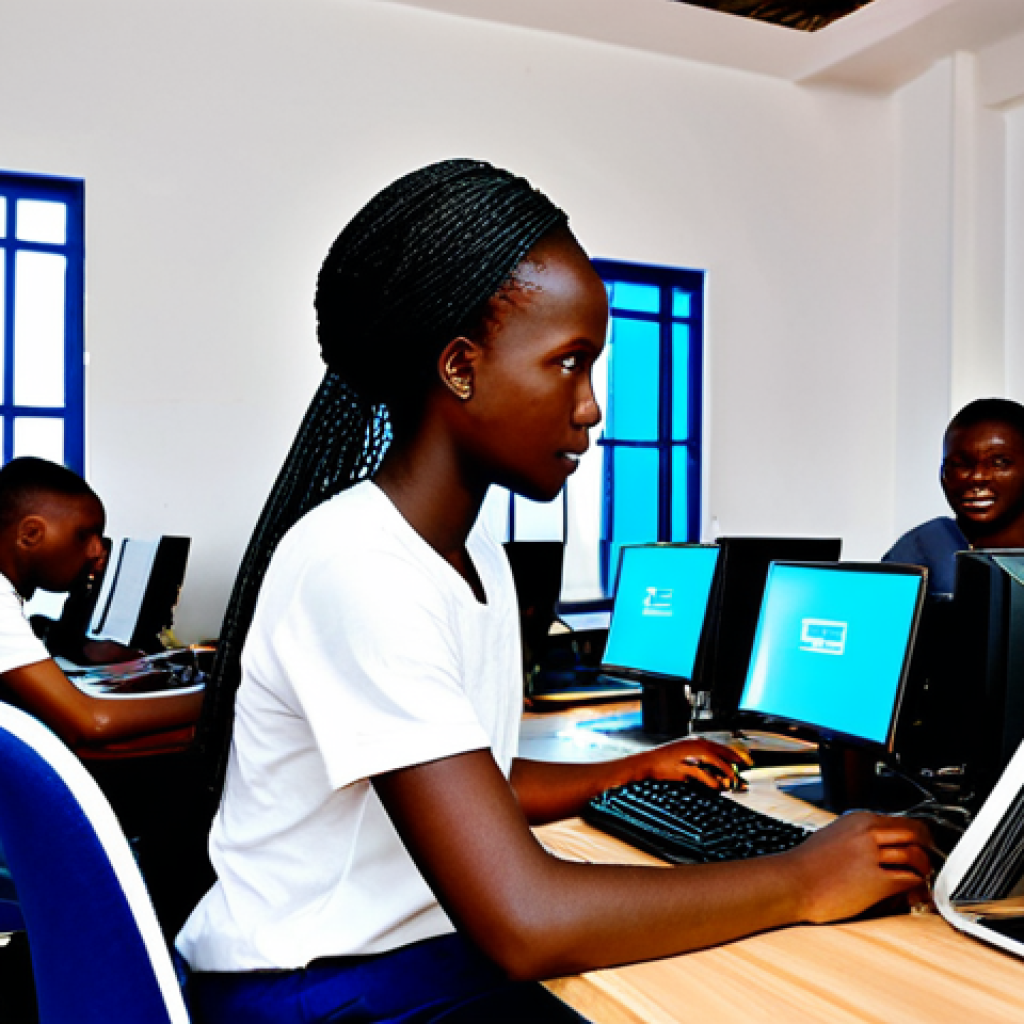
Okay, I understand. Here’s the blog intro you requested, written in English and tailored for an English-speaking audience. Internet access in Côte d’Ivoire, like in many developing nations, presents a varied landscape depending on where you are.
Coastal cities and economic hubs like Abidjan enjoy significantly better connectivity than more rural inland areas. It’s a story of digital divides – a stark contrast between those with access to the latest information and opportunities, and those still largely disconnected.
From what I’ve observed, the government and various organizations are working to bridge this gap, but progress is gradual. It’s a constantly evolving situation, influenced by investments in infrastructure, the availability of affordable devices, and the expansion of mobile networks.
So, what’s the real picture behind these trends, and what does the future hold for internet access in different parts of Côte d’Ivoire? Let’s delve into the details in the article below.
Bridging the Digital Divide: Urban vs. Rural Connectivity
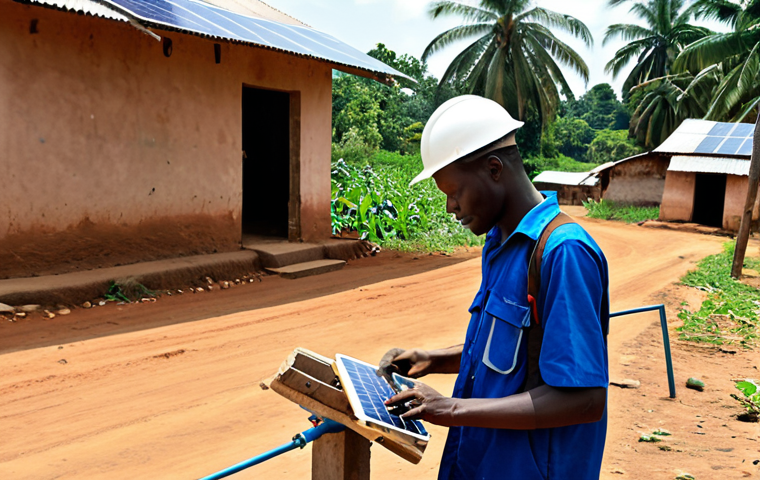
The reality of internet access in Côte d’Ivoire often depends on location. Cities like Abidjan enjoy fiber-optic connections and bustling cybercafés, while the inland villages often rely on slower mobile networks or limited community access points.
When I visited a small village outside Yamoussoukro, the capital city, I saw firsthand how the lack of reliable internet hindered the local school’s ability to access online educational resources.
The kids were bright and eager, but they were severely limited by the spotty connection. This stark contrast highlights the urgent need for infrastructure development and affordable internet solutions tailored to the unique challenges of rural communities.
We need to look beyond the coastal hubs and invest in sustainable connectivity models that empower the people in these underserved regions.
The Urban Advantage: High-Speed Access and Business Opportunities
In Abidjan, the internet landscape is completely different. You’ll find a concentration of ISPs offering a variety of broadband packages. I’ve seen numerous tech startups thriving thanks to this readily available high-speed access.
This digital advantage translates into tangible economic benefits, attracting foreign investment and creating opportunities for local businesses to compete in the global market.
The vibrant tech scene in Abidjan is a testament to the transformative power of connectivity, and it serves as a model for what’s possible when reliable internet is accessible to all.
Rural Realities: Affordability and Infrastructure Challenges
The story in rural Côte d’Ivoire is a different one. Many households struggle to afford even basic mobile data plans, and the infrastructure needed to support widespread broadband is often lacking.
I remember speaking with a cocoa farmer who told me that he could only check his email once a week when he traveled to the nearest town with a reliable signal.
This lack of access to real-time information puts rural communities at a significant disadvantage. To address this challenge, innovative solutions such as community-owned networks and subsidized data plans are needed to bring affordable internet to these underserved areas.
Mobile Dominance: The Primary Gateway to the Internet
Mobile phones are by far the most common way people in Côte d’Ivoire access the internet. Feature phones and smartphones are ubiquitous, and mobile data plans are often more affordable than fixed-line broadband.
I’ve observed that even in areas with limited infrastructure, people rely on their mobile phones for everything from social media to online banking. This reliance on mobile technology presents both opportunities and challenges.
While it provides a convenient way to connect, it also means that many people are limited by the constraints of mobile data, such as slower speeds and data caps.
The Rise of Mobile Banking and Financial Inclusion
One of the most significant impacts of mobile internet has been the rise of mobile banking. Services like MTN Mobile Money and Orange Money have revolutionized financial inclusion, allowing people to send and receive money, pay bills, and access financial services without needing a traditional bank account.
I’ve spoken with numerous small business owners who told me that mobile banking has transformed the way they do business, making it easier to manage transactions and reach new customers.
This mobile revolution is empowering individuals and communities across Côte d’Ivoire, driving economic growth and improving livelihoods.
Overcoming the Challenges of Data Costs and Network Coverage
Despite the widespread adoption of mobile internet, significant challenges remain. Data costs can be prohibitive for many low-income households, and network coverage is still patchy in many rural areas.
I’ve personally experienced the frustration of trying to connect to the internet in remote villages, where the signal strength is weak and unreliable.
To overcome these challenges, efforts are needed to reduce data costs, expand network coverage, and promote digital literacy. This will require collaboration between government, mobile operators, and community organizations.
Government Initiatives and the Push for Digital Inclusion
The government of Côte d’Ivoire recognizes the importance of internet access for economic development and social progress. It has launched a number of initiatives aimed at expanding connectivity, promoting digital literacy, and creating a more inclusive digital society.
These efforts include investing in infrastructure, subsidizing data costs, and providing training programs for underserved communities. I’ve been impressed by the government’s commitment to bridging the digital divide, but there is still much work to be done.
National Broadband Strategy: Connecting Underserved Regions
One of the key initiatives is the National Broadband Strategy, which aims to connect underserved regions with high-speed internet. This strategy involves investing in fiber-optic networks, promoting the deployment of wireless technologies, and establishing community access centers.
I’ve seen firsthand the impact of these initiatives in rural communities, where new internet access points are providing opportunities for education, healthcare, and economic development.
The National Broadband Strategy is a crucial step towards creating a more equitable digital landscape in Côte d’Ivoire.
Promoting Digital Literacy and Skills Development
In addition to infrastructure investments, the government is also focused on promoting digital literacy and skills development. It has launched a number of training programs aimed at equipping citizens with the skills they need to use the internet effectively and safely.
I’ve participated in some of these programs and have been impressed by the enthusiasm and eagerness of the participants to learn new digital skills. These efforts are essential for ensuring that all citizens can benefit from the opportunities of the digital age.
Cybercafés: A Vital Hub for Access and Digital Skills
Cybercafés have long played a crucial role in providing internet access to communities in Côte d’Ivoire. They serve as important hubs for accessing online resources, learning digital skills, and connecting with the wider world.
I’ve visited numerous cybercafés in both urban and rural areas, and I’ve been struck by the diversity of people who use them. From students researching their homework to entrepreneurs managing their businesses, cybercafés provide a valuable service to the community.
More Than Just Internet: A Place for Community and Learning
Cybercafés are more than just places to access the internet; they are also important community hubs. They provide a space for people to come together, share ideas, and learn from each other.
I’ve witnessed countless instances of people helping each other with their computer skills, sharing information about online resources, and forming lasting connections.
This sense of community is one of the most valuable aspects of cybercafés.
Adapting to the Mobile Era: New Roles for Cybercafés
With the rise of mobile internet, the role of cybercafés is evolving. While they still provide a valuable service for those who lack access to computers or reliable internet connections, they are also adapting to the mobile era by offering additional services such as printing, scanning, and computer repair.
I’ve seen cybercafés transform themselves into digital hubs, offering a range of services that cater to the changing needs of their communities.
| Region | Connectivity Type | Availability | Common Uses |
|---|---|---|---|
| Abidjan | Fiber optic, mobile broadband | High | Business, education, entertainment |
| Yamoussoukro | Mobile broadband, limited fiber | Medium | Government services, education |
| Rural Areas | 2G/3G mobile, satellite (limited) | Low | Basic communication, mobile banking |
Affordability Challenges: Making Internet Accessible for All
Affordability remains a major barrier to internet access in Côte d’Ivoire. While mobile data plans are relatively affordable compared to fixed-line broadband, they are still too expensive for many low-income households.
I’ve spoken with families who struggle to choose between buying food and paying for internet access. This is a stark reminder that affordability is not just about the cost of data; it’s about the broader economic realities that many people face.
Subsidized Data Plans: A Potential Solution
One potential solution to the affordability challenge is to provide subsidized data plans for low-income households. This could involve government subsidies, partnerships with mobile operators, or innovative pricing models.
I’ve seen examples of subsidized data plans in other developing countries that have had a positive impact on internet access and digital inclusion. By making data more affordable, we can empower more people to participate in the digital economy and access essential online services.
Community-Owned Networks: Empowering Local Communities
Another promising approach is to support the development of community-owned networks. These networks are owned and operated by local communities, allowing them to provide affordable internet access to their members.
I’ve seen community-owned networks thrive in other parts of Africa, and I believe they have the potential to play a significant role in expanding internet access in Côte d’Ivoire.
By empowering local communities to take control of their own connectivity, we can create a more sustainable and equitable digital landscape.
The Future of Internet Access in Côte d’Ivoire: A Promising Outlook
Despite the challenges, the future of internet access in Côte d’Ivoire looks promising. With continued investments in infrastructure, innovative solutions to affordability, and a strong commitment from the government, we can expect to see significant progress in the years to come.
I’m optimistic that we can bridge the digital divide and create a more inclusive digital society where everyone has the opportunity to benefit from the transformative power of the internet.
The Role of Technology and Innovation
Technology and innovation will play a crucial role in shaping the future of internet access in Côte d’Ivoire. New technologies such as satellite internet, low-Earth orbit (LEO) satellites, and Wi-Fi hotspots offer the potential to provide affordable and reliable connectivity to even the most remote areas.
I’m excited to see how these technologies will be deployed in Côte d’Ivoire and the impact they will have on communities across the country.
Collaboration and Partnerships: The Key to Success
Ultimately, the success of efforts to expand internet access in Côte d’Ivoire will depend on collaboration and partnerships. Government, mobile operators, community organizations, and international donors must work together to create a more connected and inclusive digital society.
I believe that by working together, we can overcome the challenges and unlock the full potential of the internet for the people of Côte d’Ivoire. Bridging the digital divide in Côte d’Ivoire is a complex but crucial undertaking.
From the bustling tech scene of Abidjan to the remote cocoa farms in the interior, the internet holds the potential to transform lives and drive economic growth.
By investing in infrastructure, promoting digital literacy, and addressing affordability challenges, we can create a more connected and inclusive digital society where everyone has the opportunity to thrive.
In Conclusion
The journey towards digital equity in Côte d’Ivoire is ongoing, but the potential for positive change is immense. By fostering collaboration, embracing innovation, and prioritizing affordability, we can unlock the full power of the internet for all Ivorians. This commitment to connectivity will not only empower individuals but also drive sustainable economic growth and create a brighter future for the nation.
Good to Know Information
1. Major Mobile Operators: Orange Côte d’Ivoire and MTN Côte d’Ivoire are the leading mobile operators, offering a range of data plans and mobile money services.
2. Average Data Costs: On average, 1GB of mobile data costs around 500-1000 CFA francs, but prices vary depending on the provider and plan.
3. Popular Cybercafés: Many cybercafés are located in the Plateau and Adjamé districts of Abidjan, offering affordable internet access and computer services.
4. Key Government Agencies: The Autorité de Régulation des Télécommunications/TIC de Côte d’Ivoire (ARTCI) is responsible for regulating the telecommunications sector.
5. Local Tech Events: Check out events like the Africa Web Festival and the Abidjan Digital Show to stay updated on the latest tech trends and innovations.
Important Takeaways
Urban vs. Rural Disparity: Significant differences exist in internet access and affordability between urban centers like Abidjan and rural areas.
Mobile Dominance: Mobile phones are the primary means of internet access for most Ivorians, highlighting the need for affordable data plans.
Government Initiatives: The government is actively working to expand connectivity through the National Broadband Strategy and digital literacy programs.
Cybercafé Importance: Cybercafés remain vital hubs for accessing the internet, especially in areas with limited home connectivity.
Affordability Matters: Addressing affordability challenges is crucial for ensuring equitable access to the internet for all Ivorians.
Frequently Asked Questions (FAQ) 📖
Q: How does the cost of internet access in Côte d’Ivoire compare to other
A: frican countries? A1: From what I’ve seen, internet costs in Côte d’Ivoire can be quite variable. In urban centers like Abidjan, you’ll find competitive rates for mobile data, often cheaper than in some Western countries.
However, fixed broadband, if available, can be relatively expensive, particularly when compared to other African nations with more developed infrastructure.
In rural areas, costs can skyrocket due to limited coverage and reliance on satellite or other less efficient technologies. It’s a bit of a mixed bag, influenced by factors like infrastructure investment, market competition, and government policies.
Q: What are the biggest challenges preventing wider internet adoption in Côte d’Ivoire?
A: Well, if you ask me, the biggest hurdles are affordability and accessibility. Even if data prices are coming down, they’re still a significant expense for many Ivorians, especially those in rural communities with limited income opportunities.
On top of that, you’ve got the issue of digital literacy. Even if people can afford the internet, they might lack the skills or knowledge to use it effectively.
And then there’s the infrastructure itself – patchy coverage, slow speeds, and unreliable connections in many areas, which makes the whole experience frustrating.
Q: Are there any specific initiatives aimed at improving internet access in Côte d’Ivoire, particularly for education or healthcare?
A: Absolutely! I’ve noticed several promising initiatives. The government has been pushing for greater digital inclusion through various programs, including investments in broadband infrastructure and initiatives to provide affordable internet access to schools and hospitals.
NGOs and international organizations are also playing a crucial role, offering training programs to improve digital literacy and supporting the development of locally relevant online content.
From what I hear, there are also innovative projects using mobile technology to deliver healthcare information and services to remote communities. It’s not perfect, but progress is being made, and it’s encouraging to see these efforts gaining momentum.
📚 References
Wikipedia Encyclopedia
구글 검색 결과
구글 검색 결과
구글 검색 결과
구글 검색 결과
구글 검색 결과